EN
EN


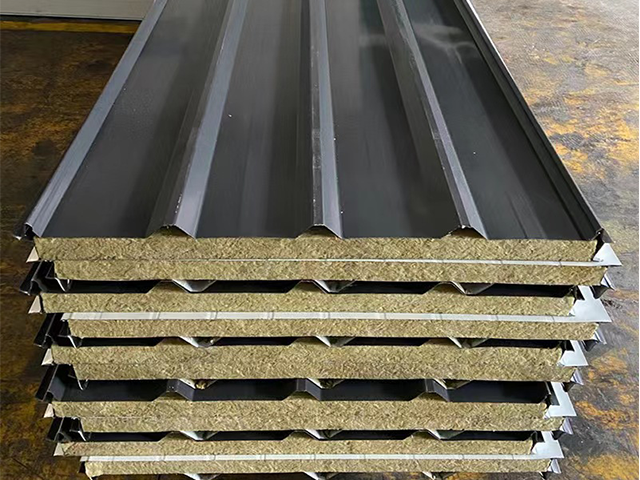
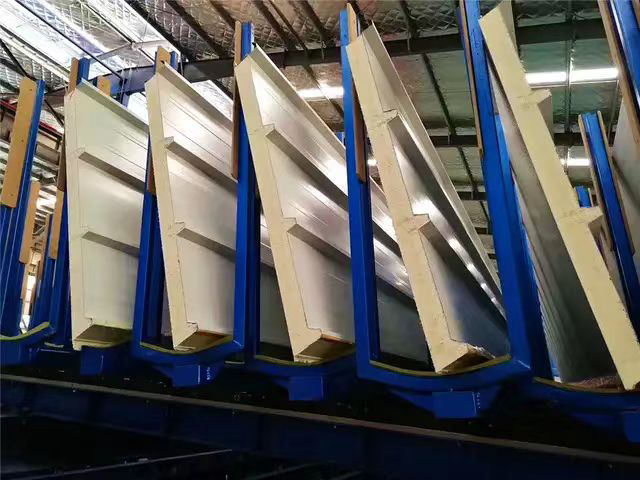
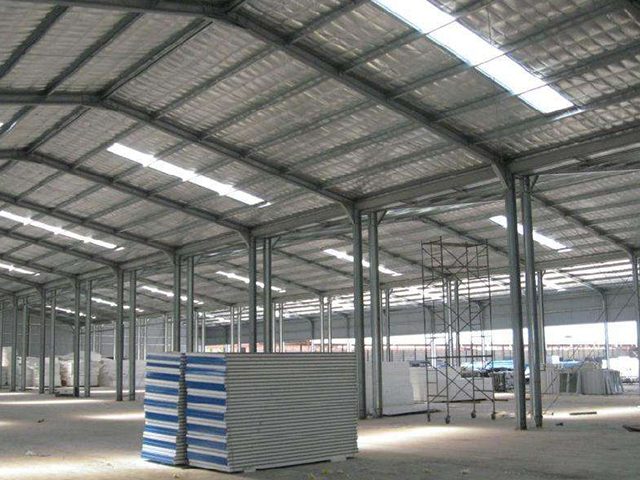
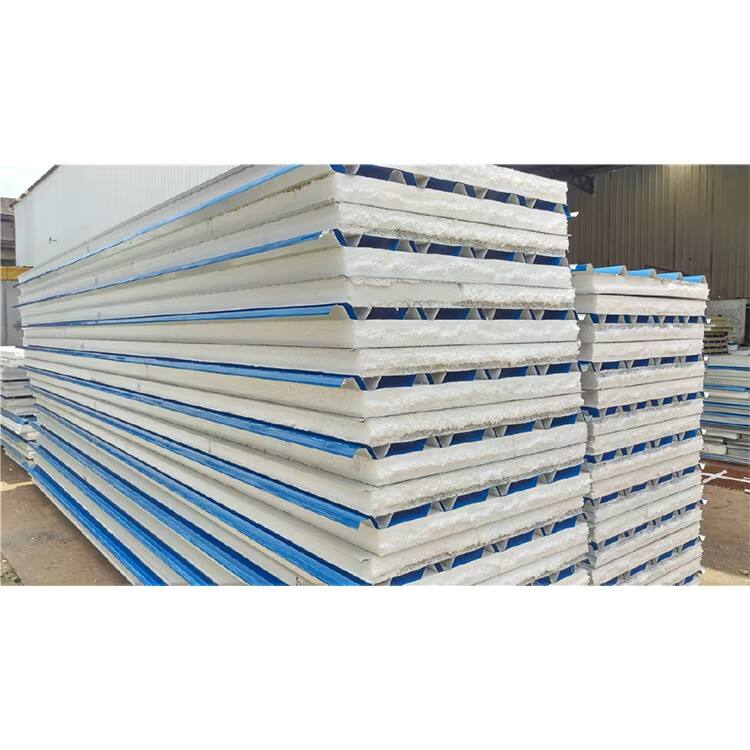
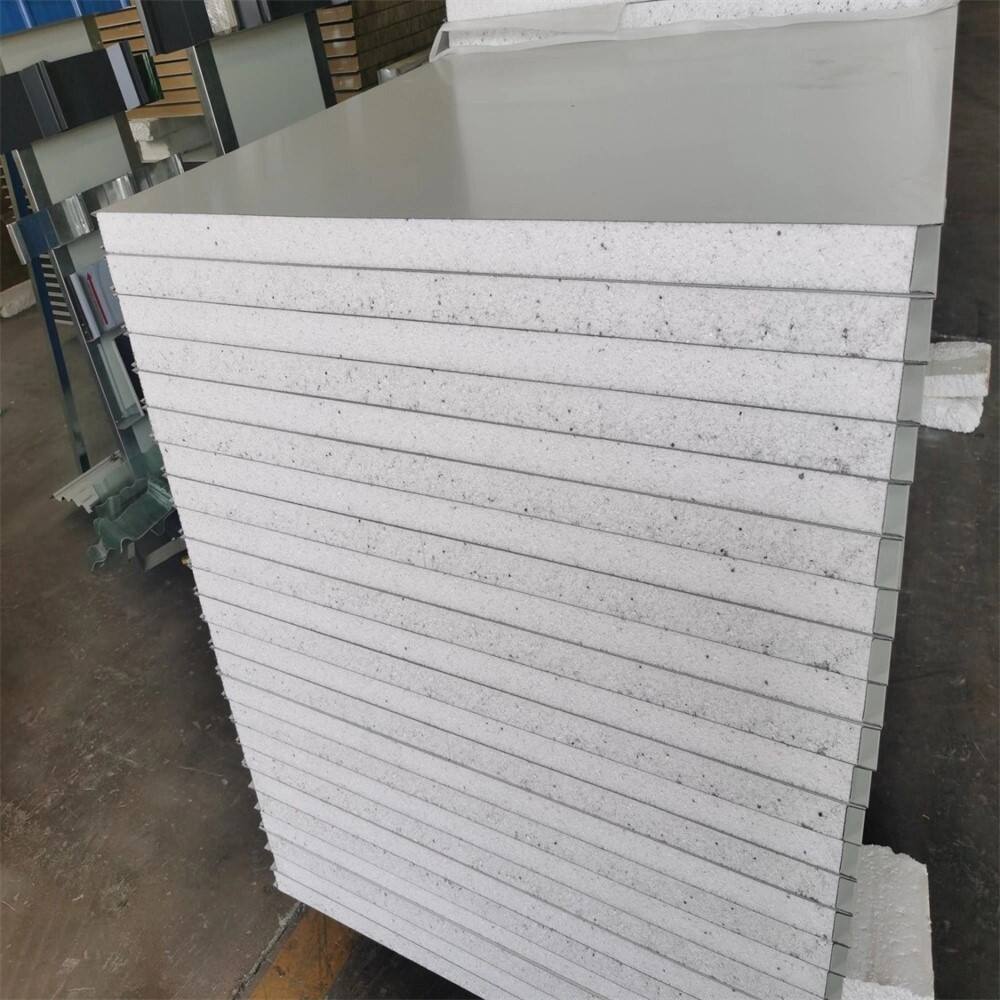
EPS sandwich panel fire resistance refers to the ability of these composite panels to withstand fire exposure, delay combustion, and limit flame spread, a critical safety feature enhanced through material engineering and compliance with industry standards. Traditional EPS is combustible, but fire resistant versions incorporate flame retardant additives during manufacturing, which suppress ignition and slow burning when exposed to heat or flames. These additives work by releasing flame inhibiting gases that interrupt the combustion process, reducing the panel’s contribution to fire growth. Facing materials also play a role: steel facings act as a heat shield, delaying heat transfer to the EPS core, while fire rated facings like cementitious boards provide additional protection. Fire performance is classified through standardized testing (such as ASTM E84 or EN 13501), measuring parameters like flame spread index, smoke development, and time to structural failure. Many fire resistant EPS panels achieve Class B or better flame spread ratings, making them suitable for most non high rise residential and commercial applications. For high risk areas, manufacturers offer panels with intumescent coatings that expand when heated, forming an insulating char layer that further protects the core. Proper installation, including fire stopping around penetrations and joints, ensures the panel system maintains fire resistance as a whole. By balancing insulation performance with fire safety, EPS sandwich panels provide a practical solution for builders seeking materials that meet both energy efficiency and life safety requirements.
28
Mar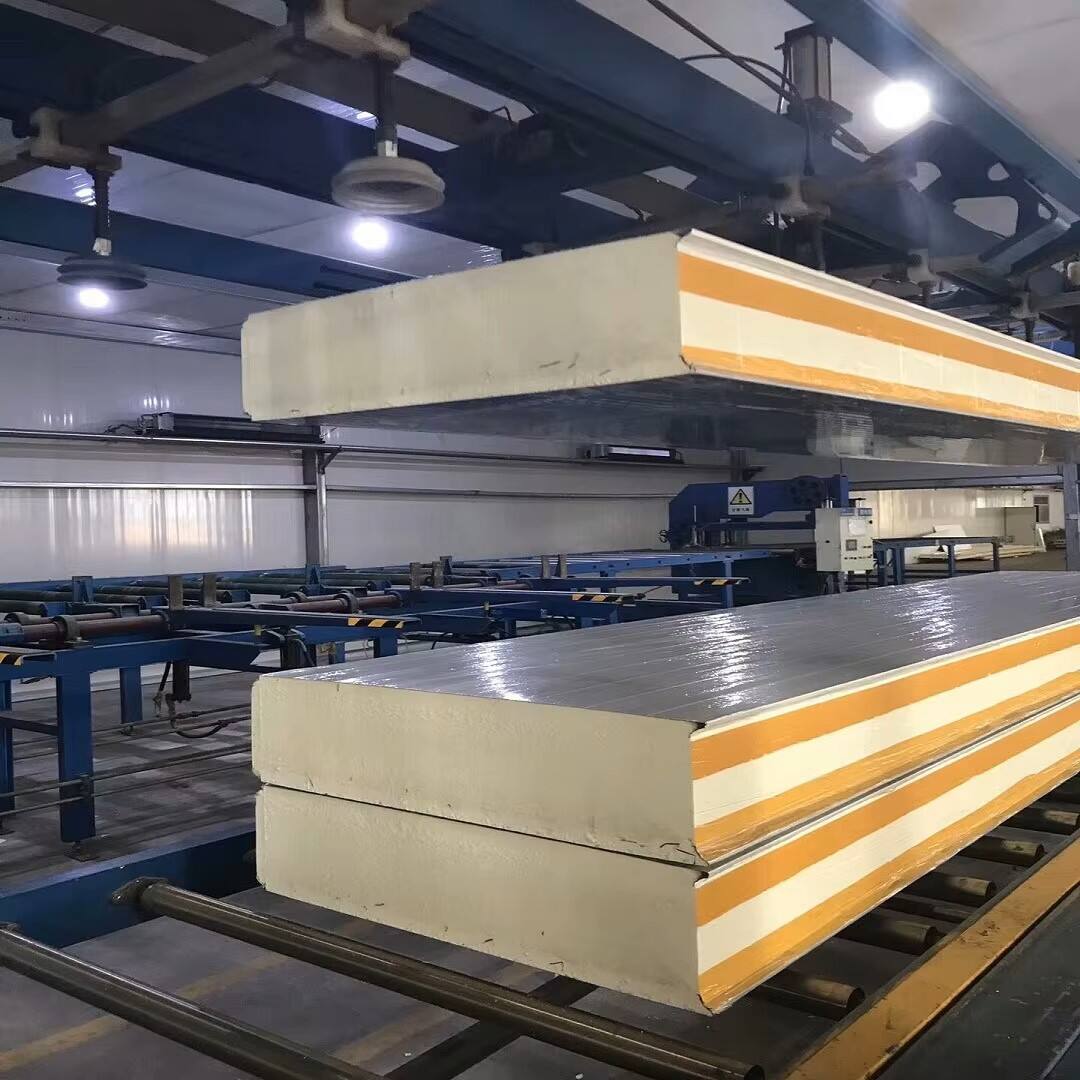
28
Mar
19
Apr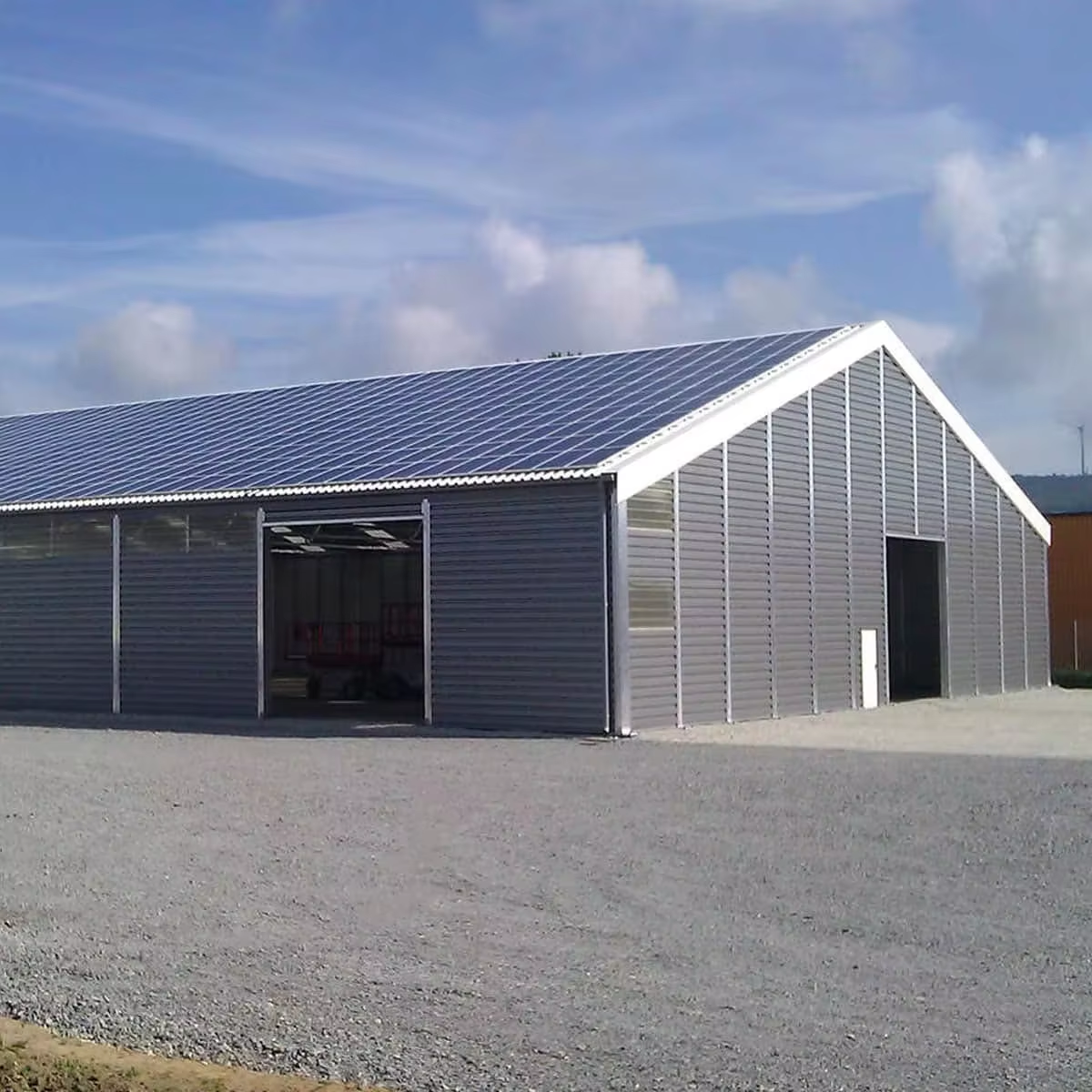
19
Apr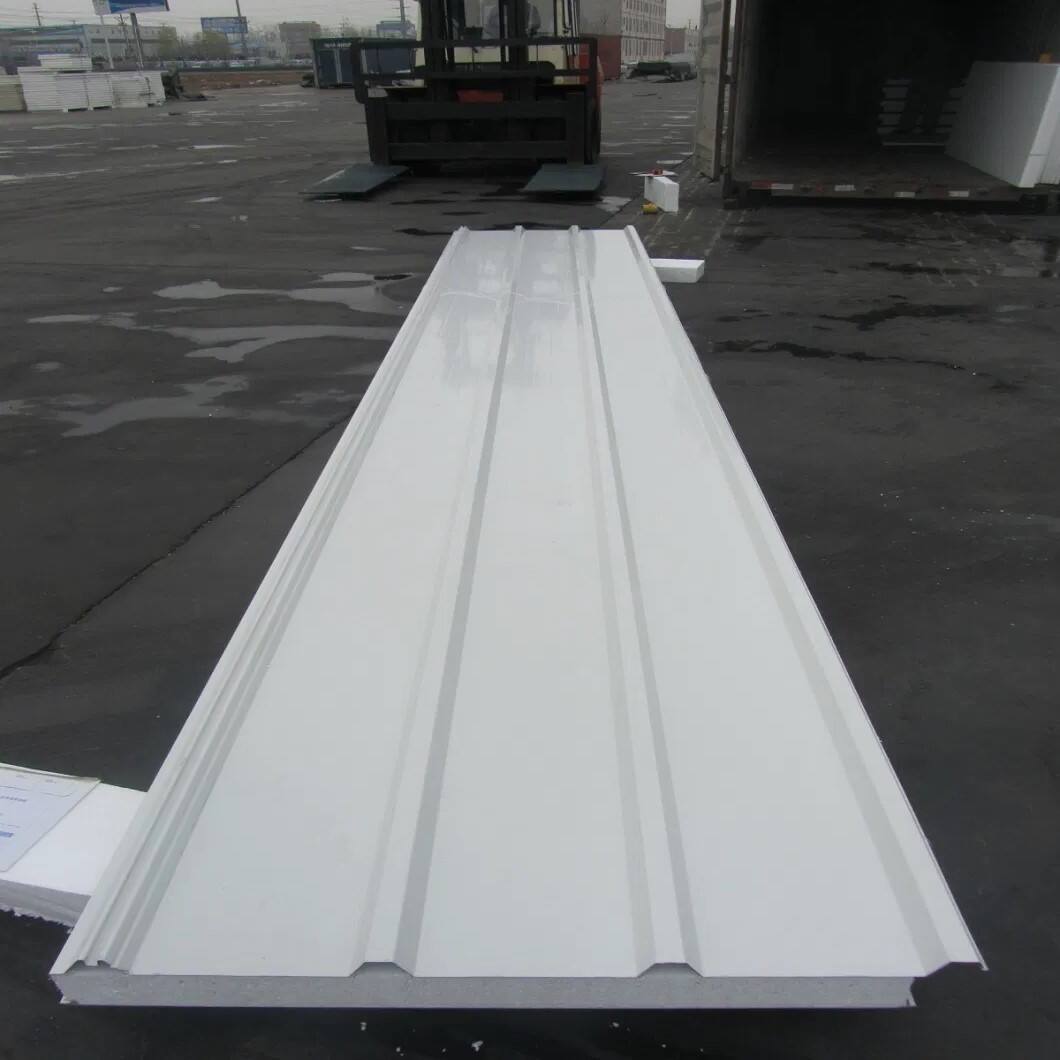

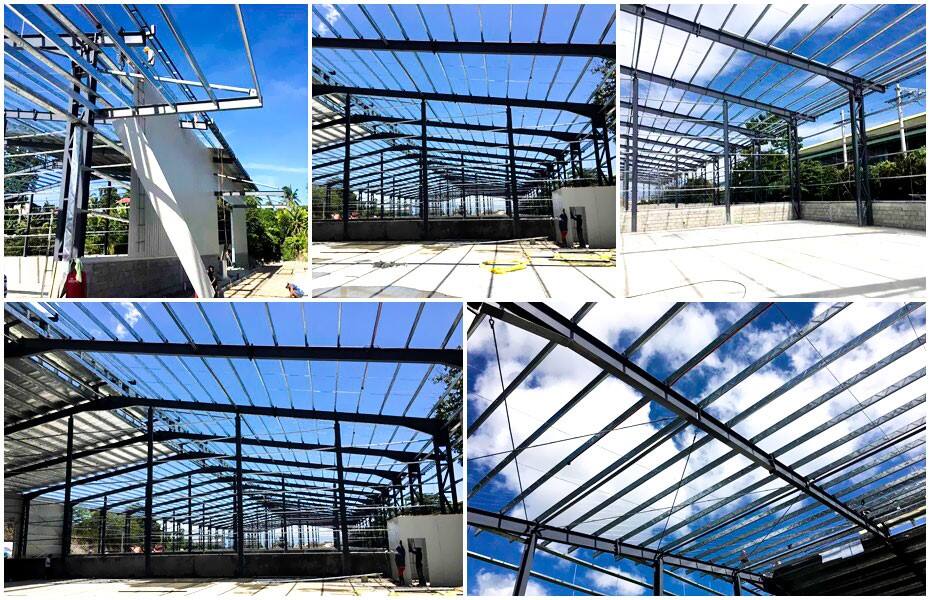
We are a steel structure processing plant in China for many years, we provide one-stop solutions, from procurement, processing, to transportation, installation and other links can be solved for you.