EN
EN


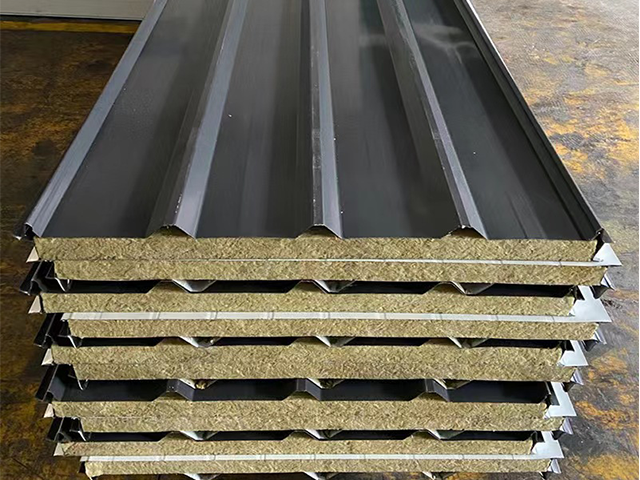
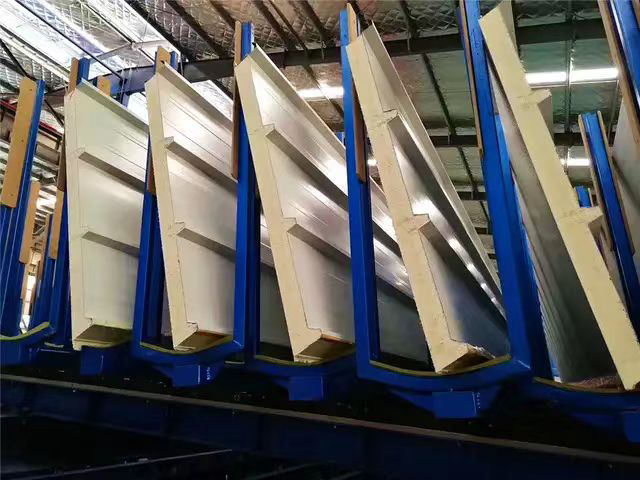
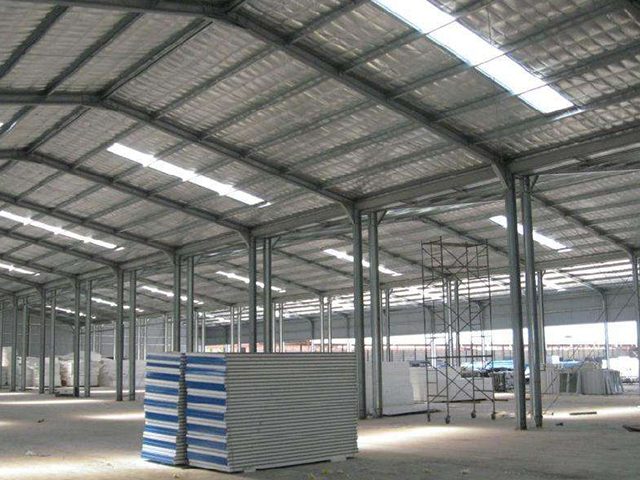
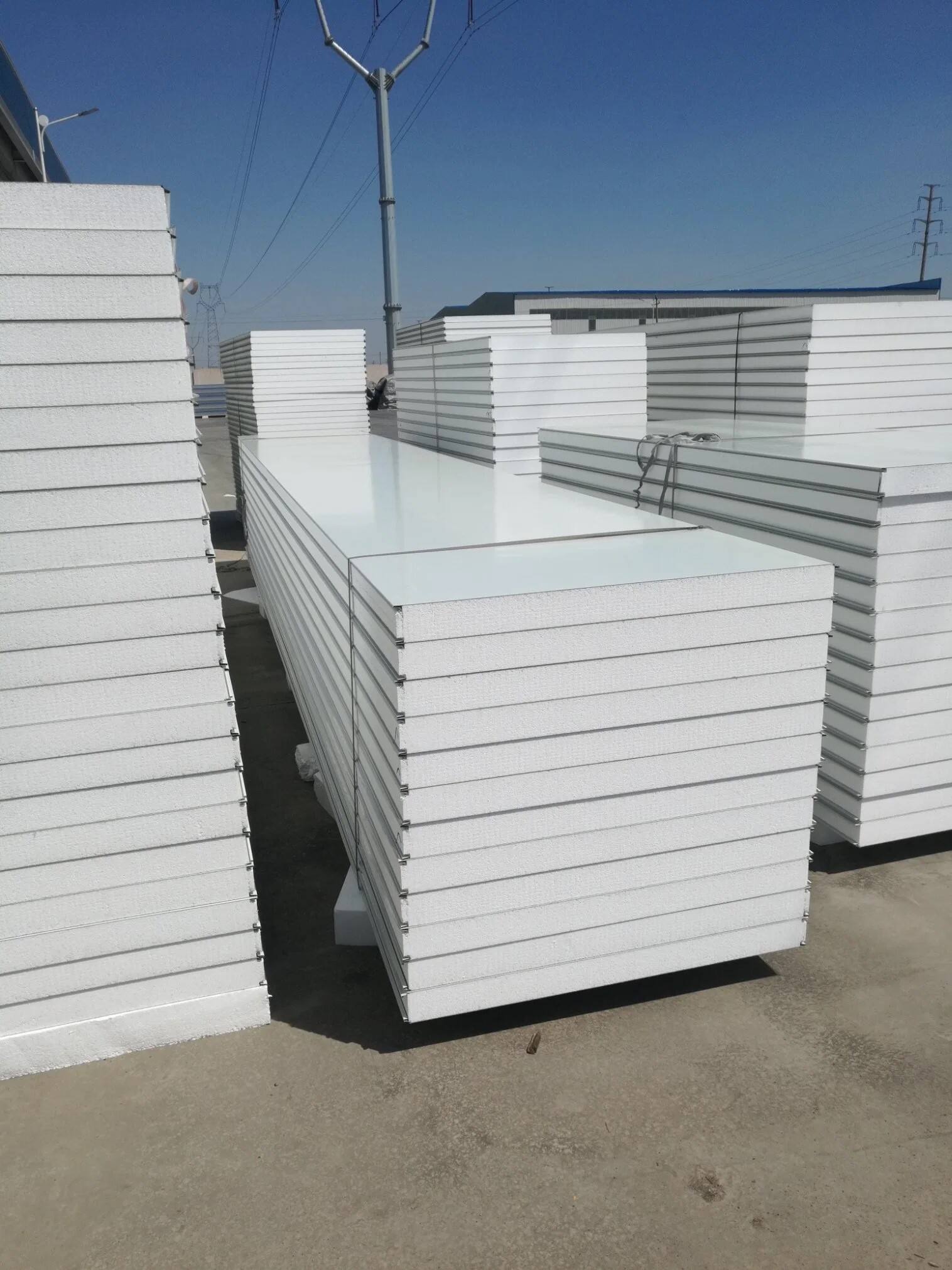
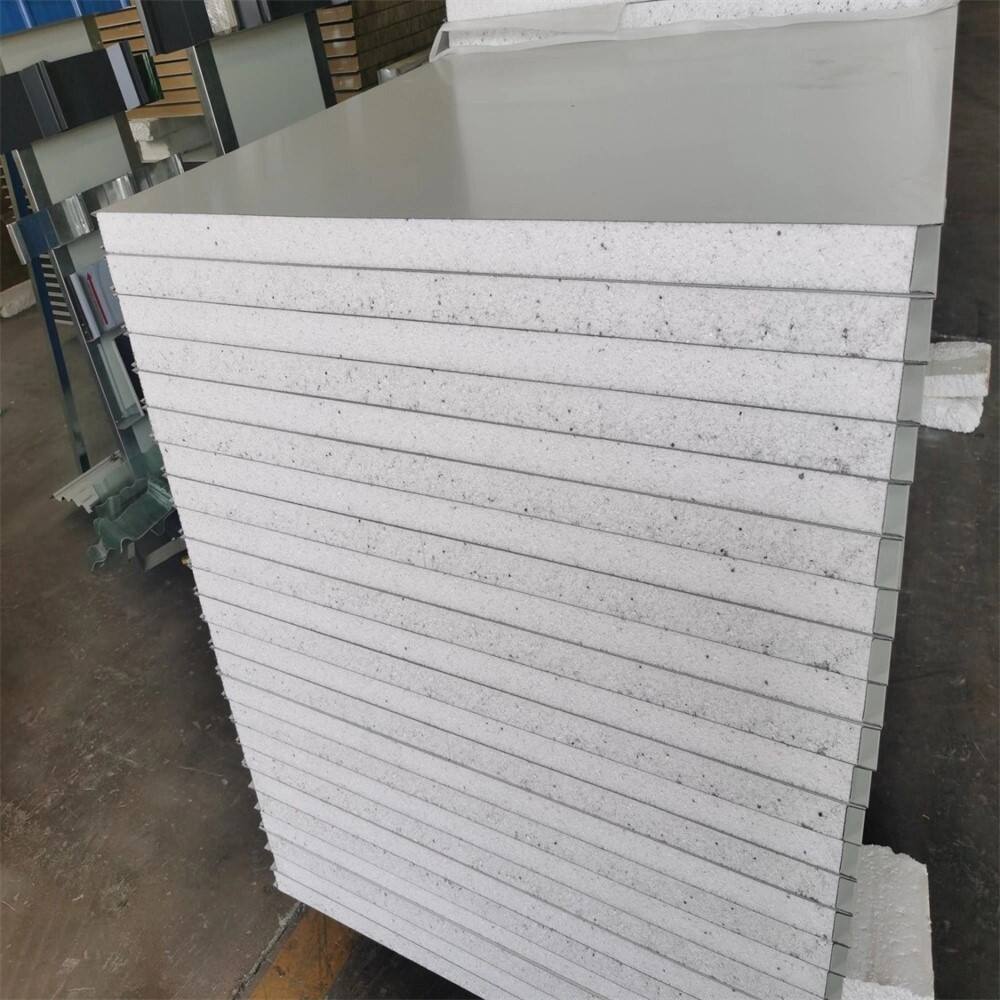
EPS sandwich panel design innovations have transformed modern construction by enhancing performance, sustainability, and versatility in these popular insulation and structural materials. Recent advancements focus on improving thermal efficiency through optimized foam core density gradients, where varying cell sizes within the EPS core reduce heat transfer more effectively than uniform structures. Innovations in facing materials include the integration of reflective coatings or photovoltaic (PV) films, allowing panels to serve dual roles as insulation and energy generators. Structural innovations such as tongue and groove edge designs create seamless, weather tight joints that minimize air leakage and improve installation speed. Manufacturers are also developing fire resistant formulations by incorporating nanotechnology based flame retardants into the EPS core, enhancing fire performance without compromising insulation properties. Sustainability driven innovations include the use of recycled EPS content and bio based binders, reducing environmental impact while maintaining durability. Smart EPS sandwich panels now integrate sensors to monitor temperature, humidity, or structural stress, providing real time data for building management systems. Additionally, modular design innovations enable panels to be pre cut with precision for specific architectural features like curves or angles, expanding design possibilities for architects. These innovations make EPS sandwich panels suitable for a broader range of applications, from high rise buildings to cold storage facilities, by addressing historical limitations such as fire safety and structural flexibility, solidifying their role as a forward thinking solution in modern construction.
28
Mar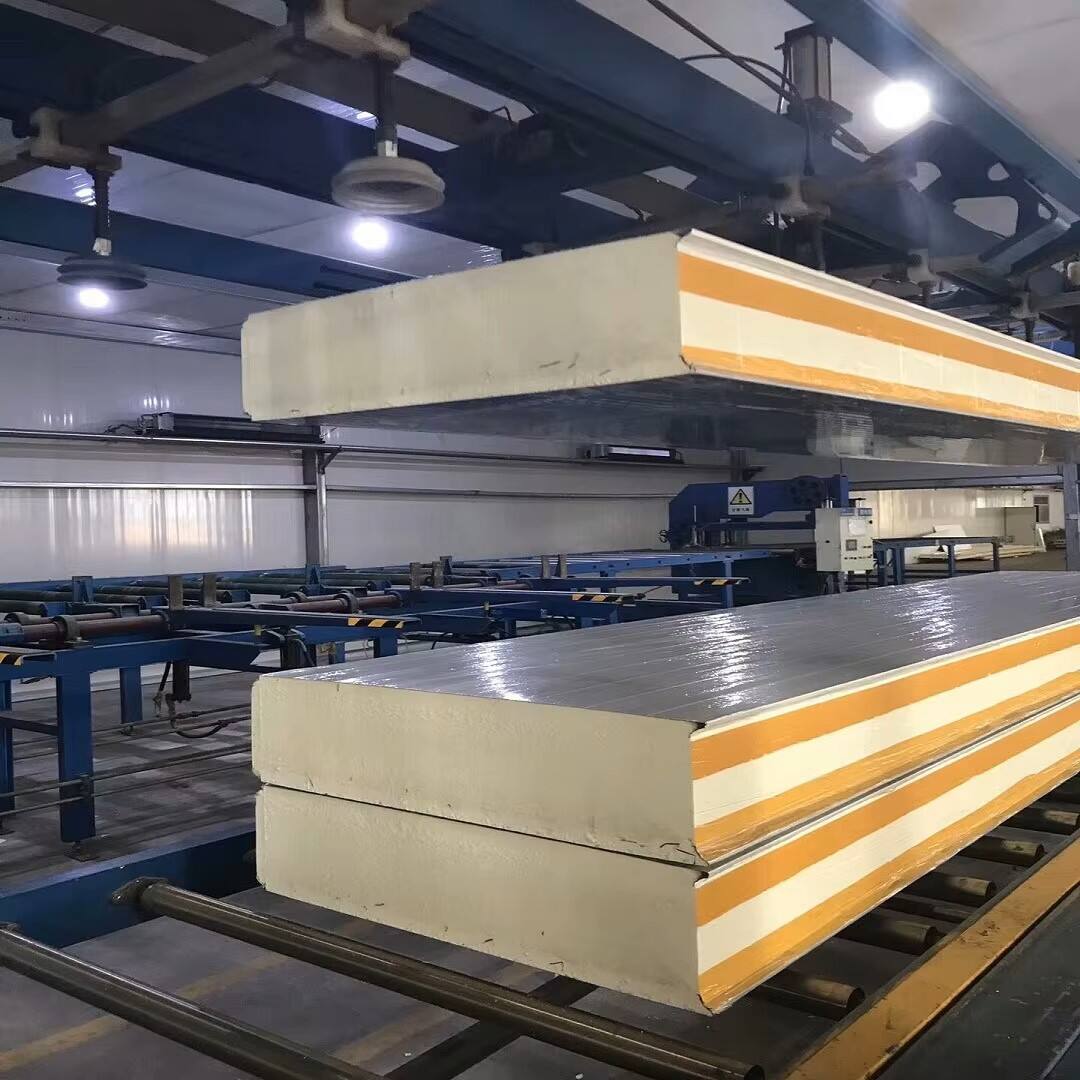
28
Mar
19
Apr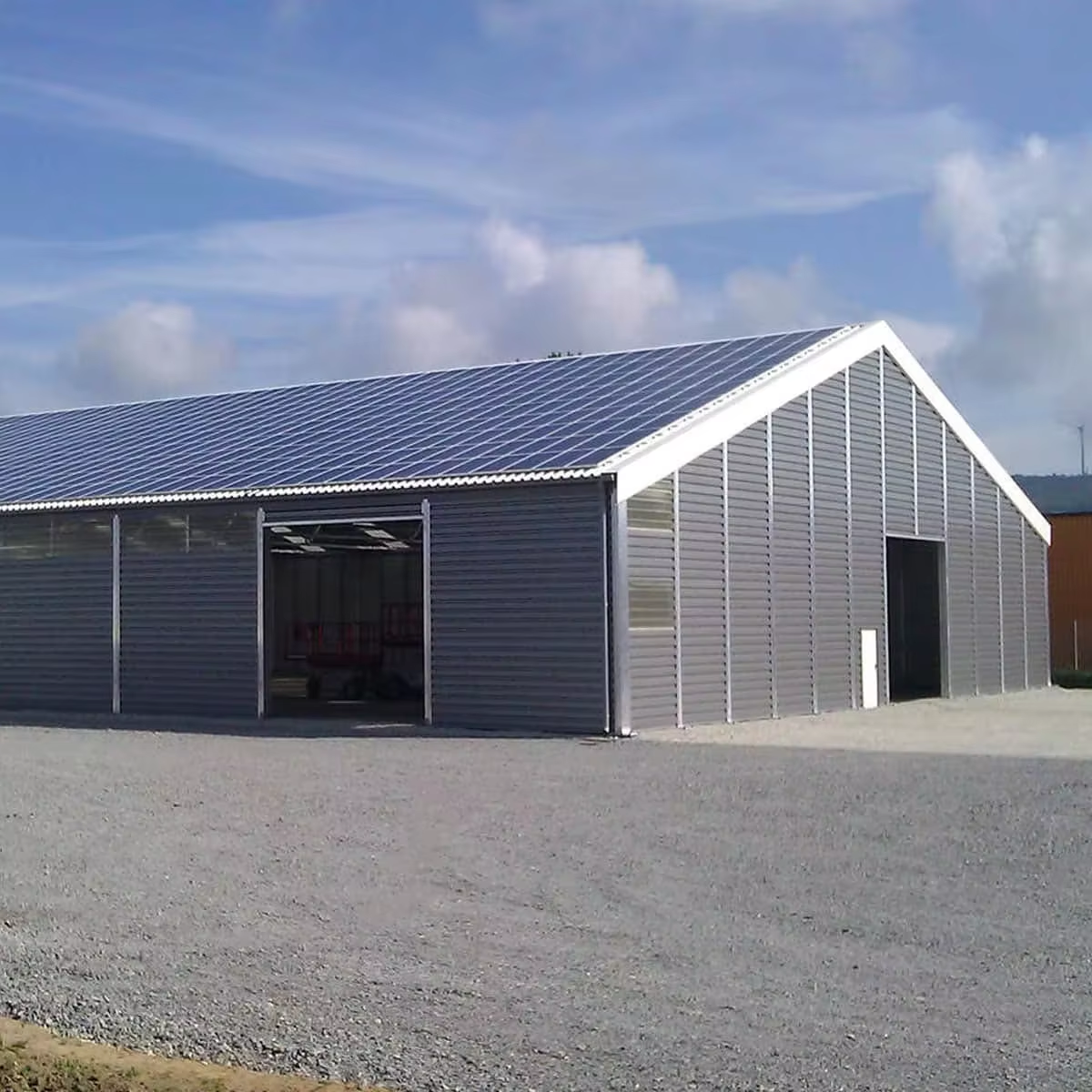
19
Apr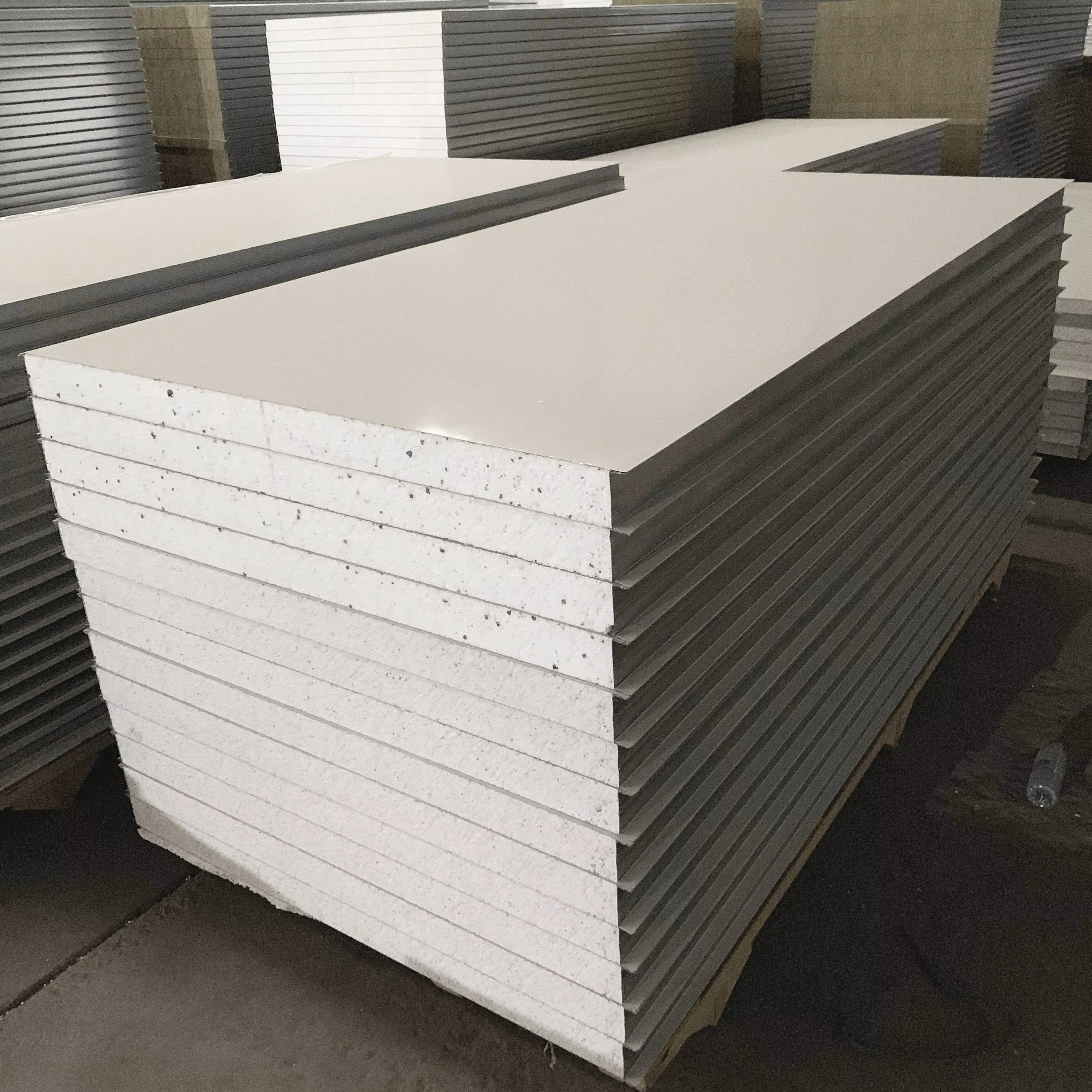

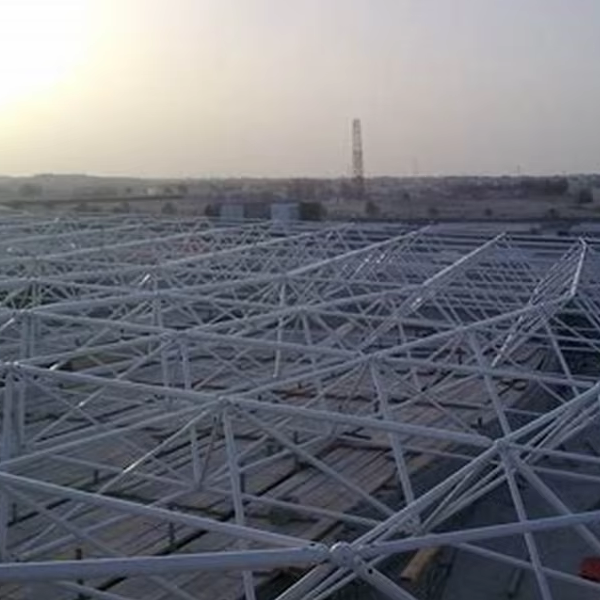
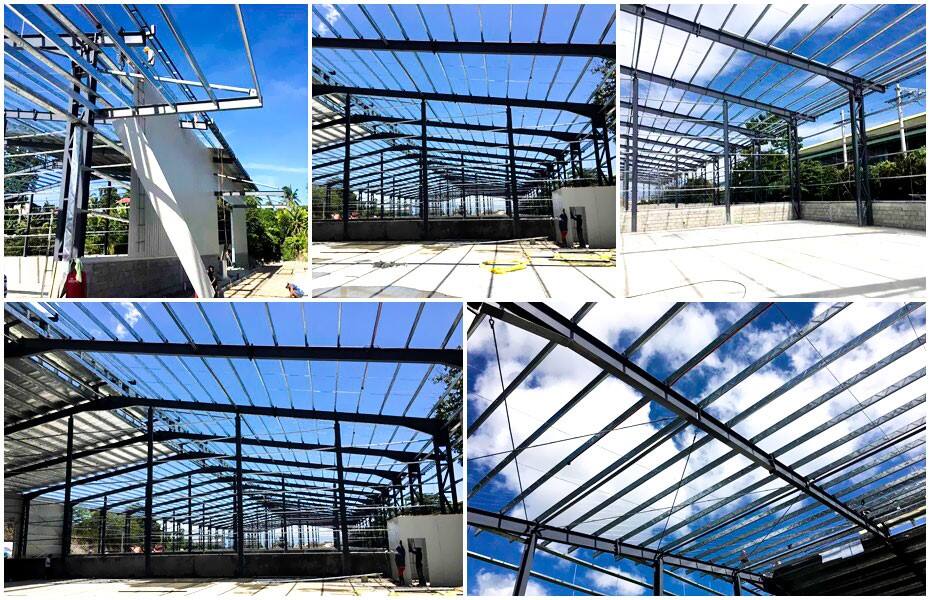
We are a steel structure processing plant in China for many years, we provide one-stop solutions, from procurement, processing, to transportation, installation and other links can be solved for you.