EN
EN


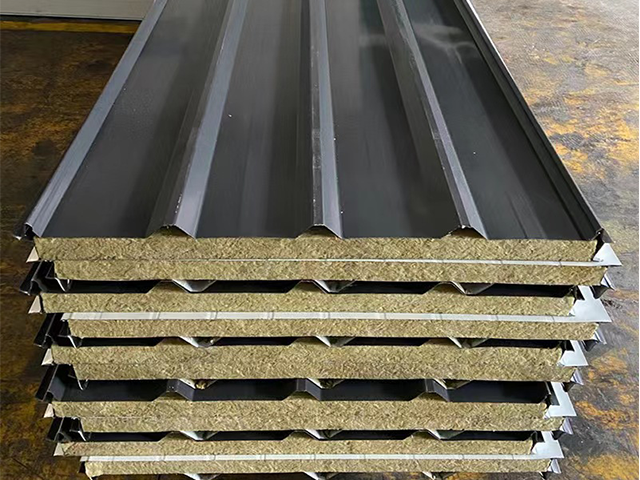
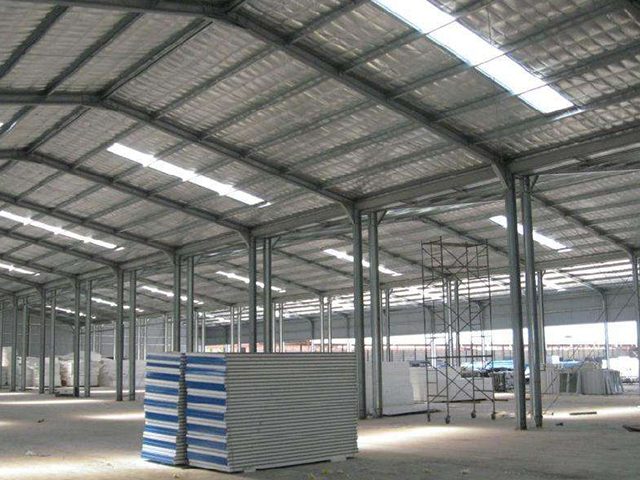
EPS sandwich panel quality standards are established guidelines and specifications that ensure consistent performance, safety, and reliability of these composite materials across manufacturing and construction applications. These standards are developed by international organizations (ISO), regional bodies (ASTM, EN), and national authorities, covering aspects like material composition, dimensional tolerance, thermal performance, and durability. Material standards specify EPS core properties, including density, compressive strength, and thermal conductivity, ensuring uniformity in insulation and structural capabilities. Facing material standards govern thickness, coating adhesion, and corrosion resistance for metal facings, or fire resistance and bonding strength for composite facings. Manufacturing standards regulate production processes, such as foam expansion, bonding techniques, and quality control testing, to prevent defects like delamination or inconsistent core density. Performance standards include fire resistance ratings, water absorption limits, and impact resistance tests, ensuring panels perform as claimed in real world conditions. Installation standards provide guidelines for fastening methods, joint sealing, and handling to maintain panel integrity during and after construction. Compliance with these standards is verified through third party testing and certification, giving builders and regulators confidence in product quality. Adherence to quality standards ensures that EPS sandwich panels meet safety codes, perform reliably over their service life, and provide consistent value, making them a trusted choice for construction projects worldwide.
28
Mar
28
Mar
19
Apr
19
Apr

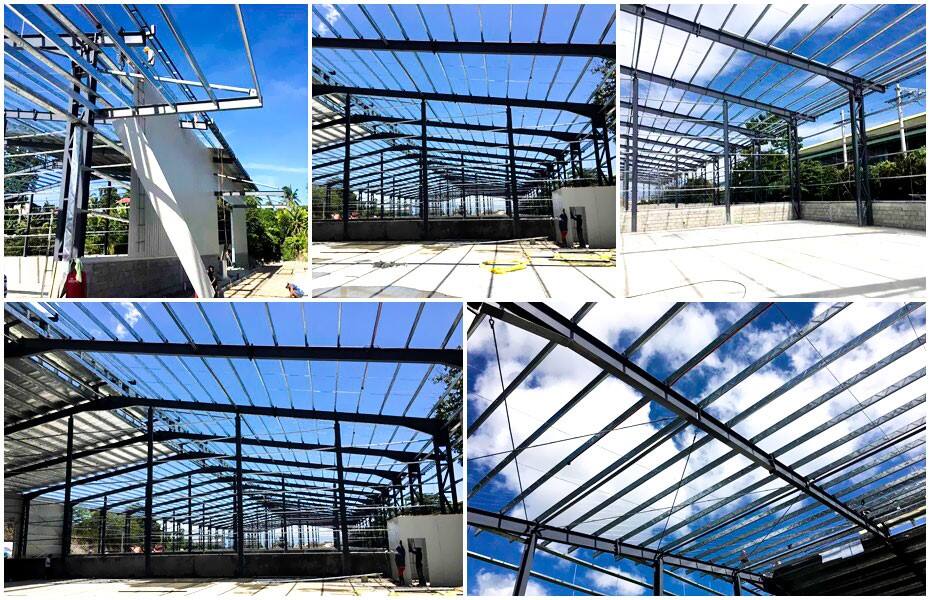
We are a steel structure processing plant in China for many years, we provide one-stop solutions, from procurement, processing, to transportation, installation and other links can be solved for you.