EN
EN


Thermal Performance of PU Sandwich Panels
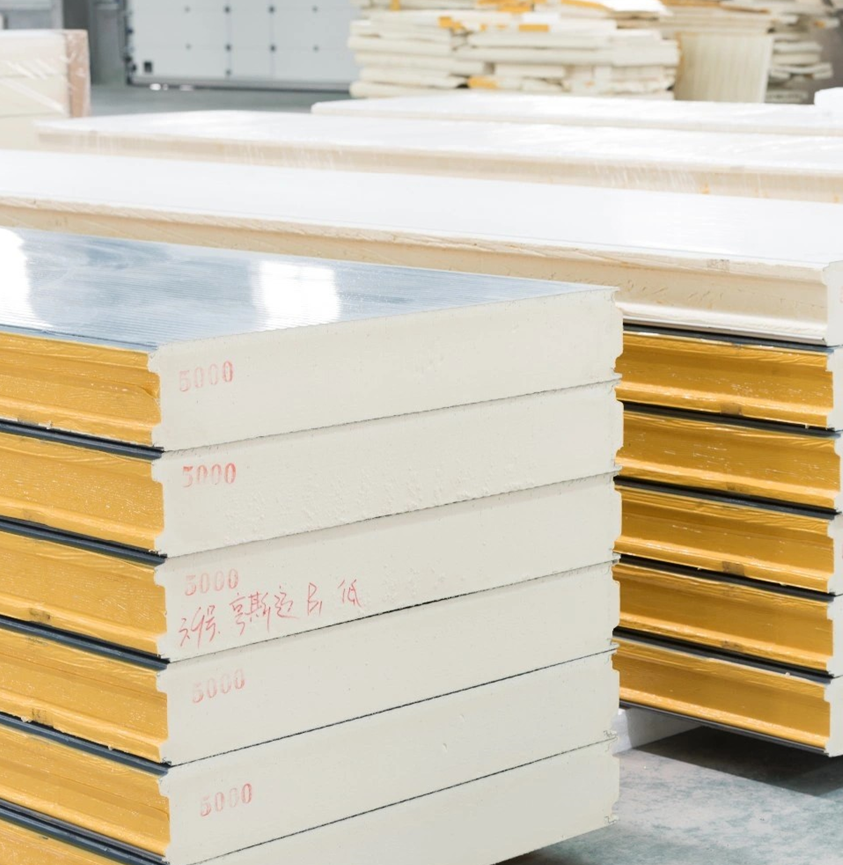
High R-value and Low Thermal Conductivity of PU Foam Core
Polyurethane (PU) sandwich panels really stand out when it comes to keeping buildings warm or cool because of their PU foam core. These panels have an impressive R-value rating of around 6.5 for every inch thick they are. That's almost twice what we get from mineral wool insulation and way better than expanded polystyrene (EPS) or fiberglass options on the market today. The reason behind this great performance? Well, PU has very low thermal conductivity rates between 0.022 and 0.028 W/m·K according to recent research published last year in construction material journals. What makes PU so good at insulating is its unique closed cell structure that traps air inside tiny pockets throughout the material. This trapped air works wonders at stopping heat from moving through the panel compared to older insulation types like EPS where heat transfer can be up to 30% worse.
Insulation Mechanism: Air Trapping and Minimized Heat Transfer
What makes PU foam so efficient is how it traps inert gases inside about 90% of its cell spaces. The closed cells stop heat from moving through conduction or convection, which basically means they form a good thermal barrier. When used in sandwich panels for buildings, this property helps reduce thermal bridging throughout the structure. As a result, indoor temperatures stay more consistent and buildings perform better in terms of energy consumption overall.
Role of Polyurethane in Enhancing Thermal Resistance
The way polyurethane is built at the molecular level creates these really tight, connected cell structures that barely let any air through – we're talking under half a percent air permeability here. That means the insulation stays effective for much longer compared to other types. Take fibrous insulation for instance, which tends to break down when exposed to regular airflow or gets compressed over time. Polyurethane foam just keeps doing what it does best without losing those important properties. When looking at density levels between about 35 and 45 kilograms per cubic meter, this material actually strikes a pretty good balance between keeping heat out and providing solid structural support. Most traditional insulation options can't match up in either category, making polyurethane a superior choice for many applications where both performance aspects matter.
Energy Efficiency Benefits in Building Envelopes
Reducing Heating and Cooling Energy Consumption with PU Sandwich Panels
According to the latest Energy Efficiency Construction Report from 2023, buildings constructed with PU sandwich panels actually consume about 28 to 40 percent less energy for heating, ventilation and air conditioning systems when compared to standard brick and insulation construction methods. What makes these panels so effective? Well, they have this continuous insulation layer that stops those annoying thermal breaks from happening in both walls and roof areas. Plus, with their impressive R-values, designers can create much thinner structures that save valuable interior space without compromising on actual performance metrics. For instance, take a regular sized warehouse around 10,000 square feet - companies report saving roughly twelve grand each year just on controlling indoor temperatures alone.
Minimizing Thermal Bridging in Prefabricated Wall Systems
Traditional framed buildings have those wooden or metal studs that actually let heat escape through what's called thermal bridging. But PU sandwich panels combine insulation, outer covering, and inner lining all together in one solid panel. What this means is most of the wall surface stays at consistent temperatures throughout. According to real world testing, these panels cut down on heat loss from building envelopes by about two thirds when compared to regular steel framed walls. That makes them really good choice for places where temperature control matters a lot, such as frozen food warehouses or labs storing sensitive medications. Plus there's another benefit worth mentioning. The tight seals between prefabricated PU panels save around 15 percent more energy than older construction techniques. The Energy-Efficient Building Envelope Strategies document backs this up, showing why many modern facilities are switching to this approach for both comfort and cost savings.
PU Sandwich Panels vs. Traditional Insulation Materials
Why PU Sandwich Panels Outperform Conventional Insulation
Polyurethane cores offer an impressive R-value of around 6.5 per inch, which is roughly twice what fiberglass provides at about 3.8 and nearly three times better than EPS at just 2.5. What makes this material stand out is how its closed cell design actually locks in inert gases, creating much better thermal resistance than traditional fiber insulation that depends mostly on thickness for effectiveness. A recent 2024 study looking at building insulation materials found that structures with PU panels tend to save between 23% to maybe even 38% more energy when compared to buildings wrapped in mineral wool insulation instead.
Energy Efficiency Comparison: PU Panels vs. Brick, Fiberglass, and EPS
The thermal performance gap between materials is evident when evaluating full wall assemblies:
| Material | Thermal Conductivity (W/mK) | Effective R-Value (Per Inch) | Required Thickness for R-20 |
|---|---|---|---|
| PU Sandwich Panel | 0.022 | 6.5 | 3.1" |
| Expanded Polystyrene | 0.033 | 3.8 | 5.3" |
| Fiberglass Batt | 0.043 | 2.7 | 7.4" |
| Brick Masonry | 0.72 | 0.2 | 100" |
This efficiency enables PU panels to achieve equivalent insulation with significantly less mass—reducing required thickness by up to 70%. Seamless installation further eliminates thermal bridging, a major issue in masonry construction where mortar joints account for 13% of total heat loss (ASHRAE 2023).
Long-Term Cost Savings and ROI for Commercial Buildings
Calculating Energy Cost Savings Over Time
Polyurethane sandwich panels cut down on heating and cooling costs by roughly 30 to maybe even 50 percent when compared to old school brick buildings according to recent studies from last year. These panels create an almost sealed barrier that keeps insulation performing well with R values staying above 6.5 for each inch thick. The money saved on utilities usually pays back the initial investment pretty quickly too around four to seven years give or take for something like a big warehouse space covering about fifty thousand square feet. We've seen plenty of real world projects where buildings installed with these panels ended up qualifying for ENERGY STAR ratings, which makes sense given how efficient they are at keeping temperatures stable without wasting power.
Durability and Maintenance Advantages of PU Sandwich Panels
Closed cell PU foam stands up well against moisture, mold growth, and pests getting in. Studies on commercial buildings show it keeps around 95% of its heat resistance even after quarter century of service. Fiberglass insulation tells a different story though. Most installations end up needing full replacement somewhere between 10 to 15 years down the road. With PU panels, regular checks at the joints is usually all that's needed, cutting long term maintenance expenses roughly half compared to traditional materials. The extra strength of PU allows for thinner walls too, giving architects more room to work with inside spaces while still maintaining good insulation properties throughout the building envelope.
| Traditional Construction | PU Sandwich Panels | |
|---|---|---|
| Insulation Lifespan | 10-15 years | 25+ years |
| Annual Maintenance | $0.50-$1.00/sq.ft. | $0.10-$0.20/sq.ft. |
| Energy Cost Reduction | 15-25% | 30-50% |
| Data reflects 2023 comparisons of mid-sized commercial structures in temperate climates |
Environmental Impact and Sustainability Advantages
Reducing Carbon Footprint Through Improved Building Insulation
Studies from the Sustainable Building Report 2023 show that PU sandwich panels cut down on operational carbon emissions somewhere between half to two thirds when compared with traditional masonry walls. Take a typical 10,000 square foot commercial building for instance these panels could stop around 18 to 23 tons of CO2 from entering the atmosphere each year simply because they need less energy for heating and cooling purposes. With their steady R values ranging from about 5.8 to 7.0 per inch thickness, these materials easily satisfy tough efficiency requirements set by organizations like the EPA through their ENERGY STAR Commercial Buildings program which looks at how well building envelopes perform overall.
Supporting Green Building Standards and Energy-Efficient Construction
PU panels show up in about 74 percent of new LEED Gold certified buildings these days. Why? Well, they meet the latest ASHRAE 90.1-2022 standards for energy efficiency, can be recycled at the end of life around 92% of the time, and install roughly 60% quicker than traditional fiberglass batt insulation. The National Renewable Energy Lab did some research on this topic recently. Their findings suggest that structures using PU sandwich panels actually have 47% less embodied carbon throughout a 30 year lifespan when compared against those built with EPS insulation. That's according to their 2023 lifecycle analysis report.