EN
EN


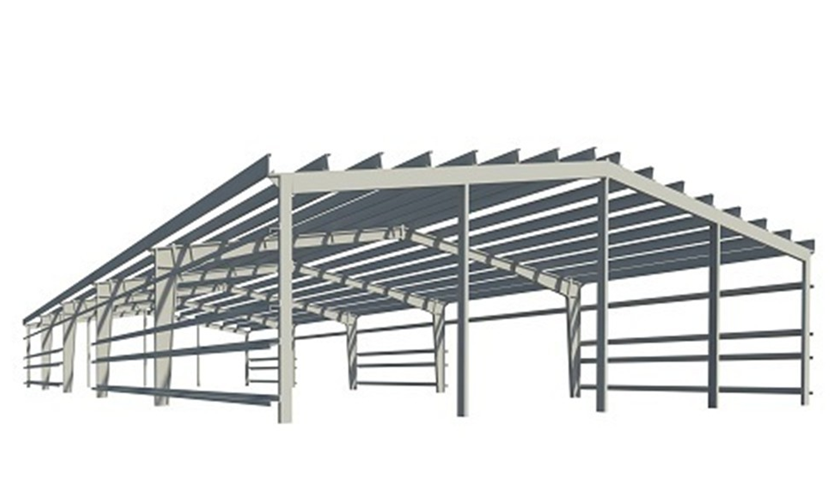
Defining Durability in Steel Structure Performance
When we talk about how long steel buildings last, we're really looking at whether they can hold up against all sorts of weather beatings without falling apart or breaking down over time. According to some recent research from the industry back in 2025, warehouses made with good quality steel still have around 92 percent of what they originally could hold even after half a century has passed, beating most other building materials hands down. Why does steel stand up so well? Well, it just doesn't rot away like wood does, nor do bugs chew through it, and there's no mold growing on metal surfaces either. These are problems that plague wooden and brick structures for decades.
Key Factors Influencing Metal Structure Lifespan
Four critical elements determine steel building longevity:
- Climate conditions: Coastal regions accelerate corrosion three times faster than arid zones (NACE 2023 data).
- Load dynamics: Properly engineered steel frames distribute weight 40% more efficiently than concrete.
- Thermal cycling: Steel’s expansion coefficient (12–10»¶/°F) requires strategic placement of expansion joints.
- Operational wear: High-traffic warehouses experience 15% faster connection fatigue compared to storage-only facilities.
Material Quality and Corrosion Resistance Impact
Steel grade selection directly correlates with lifespan. ASTM A572 Grade 50 steel, used in 78% of industrial warehouses, offers a yield strength of 50,000 psi–25% higher than standard construction steel. Modern protective coatings significantly extend service life:
| Protection Type | Average Corrosion Rate | Service Life Extension |
|---|---|---|
| Uncoated Steel | 0.5 mm/year | Baseline |
| Hot-Dip Galvanized | 0.015 mm/year | 22–35 years |
| Fluorocarbon Coated | 0.003 mm/year | 40+ years |
Researchers at Atlantic Steel Structures confirm that coastal steel buildings with dual-layer zinc-aluminum coatings show 90% less corrosion after 25 years. However, a 2024 structural engineering report revealed that 63% of premature steel failures stem from improper weld protection rather than material flaws, underscoring the importance of skilled craftsmanship.
Steel Structure vs. Traditional Materials: A Durability Comparison
Comparative Durability of Construction Materials in Industrial Applications
Steel outperforms concrete and wood across key durability metrics: corrosion resistance, load-bearing capacity, and lifecycle longevity. Unlike concrete, which cracks under thermal stress, or wood, which degrades with moisture, steel maintains integrity across extreme temperatures (-40°F to 120°F) and high humidity (>80%).
| Material | Tensile Strength (psi) | Corrosion Resistance | Maintenance Cycle |
|---|---|---|---|
| Steel | 58,000–100,000 | High (with coatings) | 15–20 years |
| Concrete | 3,000–10,000 | Moderate | 8–12 years |
| Pressure-Treated Wood | 1,200–1,800 | Low | 3–5 years |
Performance of Steel Buildings vs. Concrete and Wood Under Stress
Steel’s ductility enables it to absorb seismic forces 2.3 times better than rigid concrete. Its strength-to-weight ratio (1.63 kN·m/kg) resists warping common in wood. In hurricane-force winds (130+ mph), steel warehouses exhibit 40% less joint deformation than masonry structures.
Case Study: 25-Year Structural Assessment of Steel Versus Masonry Warehouses
Looking at 142 different industrial warehouses over time reveals something interesting about materials durability. Steel structures kept around 92% of their initial strength even after quarter century, whereas masonry dropped down to just 78%. When it comes to ongoing upkeep costs, there's quite a gap between these materials too. Steel buildings typically cost about 18 cents per square foot each year to maintain, but concrete facilities run closer to 42 cents annually. What stands out most is how few steel warehouses actually need significant fixes. Around 83% never faced major repair work at all. Meanwhile, nearly two thirds of those older masonry buildings ended up needing new beams because of crumbling concrete issues. These numbers check out against industry wide data collected in the Global Industrial Construction Survey, which tracks performance across thousands of similar facilities worldwide.
Corrosion Resistance and Long Term Protection in Steel Buildings
The Role of Protective Coatings for Steel in Harsh Environments
In aggressive environments like coastal or chemical-exposure zones, engineered coatings are essential. Epoxy and polyurethane layers block moisture, while zinc-rich primers provide cathodic protection. Per ASTM standards, proper surface preparation—removing 98% of mill scale—boosts coating adhesion by 300% over untreated surfaces.
Galvanization, Weathering Steel, and Advanced Anti-Corrosion Technologies
Hot-dip galvanization remains the benchmark, offering over 75 years of protection in moderate climates through sacrificial zinc layers. Weathering steel develops a stable rust patina in humid, cyclic conditions, reducing long-term maintenance needs by 40%. Emerging technologies, such as graphene-infused coatings, demonstrate 90% slower corrosion rates in accelerated salt-spray testing.
Real-World Data on Corrosion Rates in Uncoated vs. Coated Steel Buildings
Field studies highlight dramatic differences in performance:
| Condition | Uncoated Steel (Annual Loss) | Coated Steel (Annual Loss) |
|---|---|---|
| Temperate Coastal | 0.8–1.2 mils | 0.02–0.05 mils |
| Industrial Chemical Zone | 2.5–3.1 mils | 0.1–0.15 mils |
According to lifecycle analyses, well-maintained coatings can extend service life from 20 to over 50 years.
Industry Paradox: High Initial Corrosion Resistance vs. Long-Term Maintenance Neglect
According to the Metal Construction Association from 2023, about 92 percent of newly built steel structures start off with good protection against corrosion. Still, nearly 4 out of 10 end up showing signs of rust pretty quickly because people don't maintain them properly after construction. Looking at data from a decade long research project, we see that in areas where humidity is high, roughly 61% of building owners completely ignore required inspection schedules. The result? Repair bills jump by around 240% when compared to properties where regular checks actually happen. What this all points to is simple but important: nobody can rely solely on what comes with the building at first. Good maintenance plans need to be part of the equation right from day one if we want these structures lasting longer without breaking the bank later on.
Maintenance Realities and Design Innovations for Extended Steel Durability
Common Misconceptions About Steel Structure Maintenance
Many people think steel basically takes care of itself when it comes to maintenance. But here's the truth: every industrial building needs regular attention. What makes steel stand out isn't that it doesn't need care at all, but rather that its maintenance tends to be straightforward and predictable most of the time. The latest Industrial Materials Durability Report from 2023 reveals something interesting about this misconception. Almost 43 percent of facility managers believe steel can resist corrosion better than it actually does. This misunderstanding often results in postponed inspections and eventually leads to problems that could have been prevented with proper maintenance schedules.
Actual Maintenance Needs Based on Climate and Usage Intensity
Maintenance frequency varies significantly by environment:
| Climate Type | Key Maintenance Tasks | Frequency |
|---|---|---|
| Coastal | Salt residue removal, galvanized coating checks | Quarterly |
| High Humidity | Gutter cleaning, ventilation audits | Biannual |
| Industrial Corridor | Chemical exposure assessments | Monthly |
In arid regions, annual sealant reviews may suffice, whereas coastal facilities require biannual corrosion inspections per ASTM G50-20 standards.
Longevity and Maintenance of Metal Buildings in Coastal Regions
Air loaded with salt speeds up corrosion by about eight times what we see inland according to NACE research from 2023. Still, when steel gets proper maintenance, it lasts around 20 to maybe 25 years longer than wood even in those tough coastal conditions. What works best? Triple coat epoxy protection definitely helps. Sacrificial anodes are great for foundation steel too. And don't forget about roof slopes that keep water from sitting on surfaces. Looking at a long term study of coastal structures over 15 years, researchers found that galvanized steel coated with zinc aluminum alloys kept about 92 percent of its strength after all that time. Regular steel without any protection only managed around two thirds of that same structural integrity.
Impact of Proper Framing and Load Distribution on Durability
Advanced finite element modeling (FEM) now allows engineers to eliminate stress concentrations responsible for 38% of historical steel failures. A 2024 case study found that optimized truss spacing (‚¤24" centers) and moment-resisting connections reduced the need for beam reinforcements by 60% over 30 years compared to conventional designs.
Economic and Sustainable Advantages of Durable Steel Warehouses
Lifecycle Cost Comparison: Steel Structure Versus Alternative Materials
Steel warehouses deliver 18–30% lower lifecycle costs than concrete over 50 years, according to the National Institute of Standards and Technology (2023). Key cost drivers include:
| Material | Initial Cost | Maintenance (50 yrs) | Demolition/Recycle Cost |
|---|---|---|---|
| Steel | $45–$60/sf | $8–$12/sf | $2–$4/sf (90% recyclable) |
| Concrete | $65–$85/sf | $22–$30/sf | $12–$18/sf (Limited reuse) |
| Wood | $55–$70/sf | $35–$50/sf | $6–$10/sf (50% landfill) |
A recent industry analysis shows steel’s corrosion-resistant coatings reduce annual maintenance expenses by 62%, with most facilities needing only bi-annual inspections after the first decade.
Sustainability Benefits of Durable, Recyclable Steel Buildings
According to the World Steel Association, around 90 percent of structural steel gets recycled without losing quality, which means steel warehouses leave behind just 27 percent of the carbon footprint that concrete ones do after three decades. With modern fabrication techniques, as much as 98% of building components can actually be reused again, slashing material waste by nearly 85% when compared to traditional demolition approaches. Add reflective roofing materials and proper thermal bridging solutions into the mix, and these structures start saving between 22 to 35% on energy costs compared to what's required by standard building codes (as noted by U.S. Department of Energy research from 2022). These kinds of figures really highlight why sustainable construction practices are gaining so much traction in recent years.
Table of Contents
- Defining Durability in Steel Structure Performance
- Key Factors Influencing Metal Structure Lifespan
- Material Quality and Corrosion Resistance Impact
- Steel Structure vs. Traditional Materials: A Durability Comparison
- Corrosion Resistance and Long Term Protection in Steel Buildings
- Maintenance Realities and Design Innovations for Extended Steel Durability
- Economic and Sustainable Advantages of Durable Steel Warehouses