EN
EN



Understanding Product Temperature Requirements and Zoning Strategies
Temperature Requirements of Products as the Foundation of Cold Storage Design
Cold storage design starts with defining precise temperature needs for stored products. Pharmaceuticals typically require 2–8°C (36–46°F), while frozen foods must be held at -18°C (0°F) or lower. Over 65% of food spoilage stems from improper temperature control (USDA 2023), highlighting the critical role of accurate thermal design.
Differentiating Between Frozen, Chilled, and Multi-Zone Cold Storage Needs
- Frozen storage: Maintains temperatures at -18°C for long-term preservation of meats and prepared foods
- Chilled storage: Operates between 0–4°C to preserve perishables like dairy and fresh produce
- Multi-zone facilities: Incorporate separate climate-controlled areas, reducing energy waste by 18–22% compared to single-zone layouts through targeted cooling
Impact of Temperature Fluctuations on Product Quality and Shelf Life
Temperature deviations beyond ±1.5°C can degrade pharmaceuticals and reduce food shelf life by 30–50%. A mere 2°C rise in chilled storage accelerates bacterial growth by 400%, threatening product safety and regulatory compliance.
Case Study: Optimizing Temperature Zones for Mixed-Product Cold Storage
A 2023 industry analysis by a leading logistics provider redesigned a 12,000m² facility into three distinct zones (-22°C, 3°C, and 15°C). This multi-zone configuration reduced energy costs by 27% while enhancing inventory accuracy for vaccines and seasonal produce. The study demonstrates how tailored zoning improves both efficiency and product integrity.
Designing the Cold Storage Envelope: Insulation, Vapor Barriers, and Thermal Efficiency
Insulation materials and methods for minimizing heat transmission in cold storage
Effective cold storage envelopes rely on high-performance insulation such as polyurethane foam or extruded polystyrene (XPS), which reduce heat transfer by up to 40% compared to conventional materials. Proper installation—ensuring sealed joints and minimal gaps—is essential, as air leaks can increase energy consumption by 15–25% in subzero environments.
Use of insulated metal panels for structural and thermal efficiency
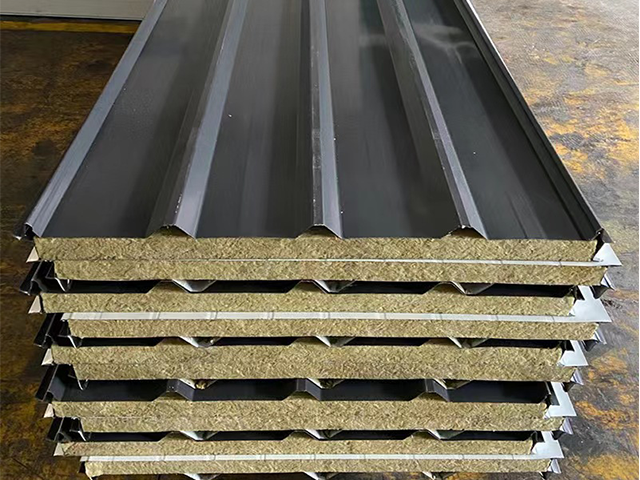
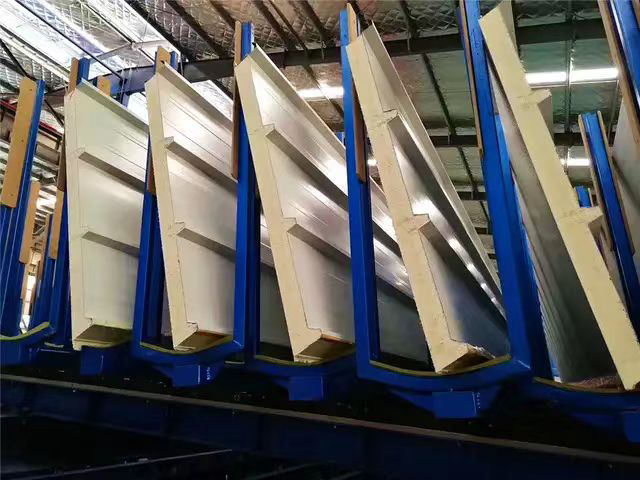
Insulated metal panels (IMPs) combine structural strength with superior thermal resistance, eliminating thermal bridging through continuous insulation layers. Their prefabricated design ensures rapid installation and long-term performance, with studies showing IMPs reduce annual cooling costs by 18–22% and withstand temperatures down to -30°F.
Vapor barrier placement and moisture control strategies
Vapor barriers should be installed on the warm side of insulation to prevent condensation, mold growth, and insulation degradation. In freezer applications, a 12-mil polyethylene barrier with tape-sealed seams is recommended. In high-humidity regions, secondary barriers may enhance protection against seasonal moisture fluctuations.
Balancing insulation levels with cost-effectiveness in cold storage design
While thicker insulation improves thermal resistance, returns diminish beyond R-30. A 2023 cost-benefit study found optimal ROI at R-38 for facilities operating at -10°F, balancing material costs of $6–$8/sq.ft with lifecycle energy savings over 20–30 years. Modular designs support phased upgrades, aligning insulation investments with operational evolution.
Managing Heat Load Sources and Reducing Cooling Demand
Product heat load: the primary challenge in cold storage system design
Product heat load accounts for 35–50% of total cooling demand (ASHRAE 2023), arising from respiration in fresh produce and latent heat during freezing. Engineers must account for product-specific profiles—leafy greens emit 50–70 W/ton daily, while frozen meats require stable -25°C conditions without fluctuation.
Heat transmission through building envelope and mitigation techniques
Polyurethane-core insulated metal panels (R-7.5/inch) are now standard for walls, cutting thermal bridging by 60% compared to fiberglass batts. When paired with continuous vapor barriers, these systems reduce annual energy use by 18–22% in medium-temperature facilities.
| Material | R-Value/inch | Moisture Resistance | Installation Speed |
|---|---|---|---|
| Polyurethane | 7.5 | Excellent | Fast |
| Polystyrene | 5.0 | Moderate | Moderate |
| Mineral Wool | 3.7 | Poor | Slow |
Internal heat sources from equipment, lighting, and personnel
LED lighting reduces thermal output by 40% versus fluorescent fixtures, especially when combined with motion sensors. Propane-powered forklifts add 3–5 kW of heat per unit and contribute to frequent door openings. Modern facilities increasingly adopt electric vehicles with regenerative braking to minimize both emissions and thermal load.
Air infiltration and ventilation loads in high-traffic cold storage facilities
A single dock door opening in a -20°C environment introduces enough warm air to melt 12 kg of ice daily (Cold Chain Institute 2023). Industry analysis shows that rapid-rise doors (1.5 m/sec) combined with air curtains reduce infiltration losses by 63% in distribution centers handling over 150 pallets daily.
Strategies for minimizing infiltration through door usage and airflow control
Staggered loading/unloading shifts prevent simultaneous door openings across multiple docks. Maintaining positive pressure (15–20 Pa) in anterooms creates effective air locks, reducing moisture ingress. Facilities using these strategies report 27% shorter compressor runtimes during summer peak periods.
Selecting Energy-Efficient Refrigeration Systems and Sustainable Technologies
Refrigeration technology selection based on scale and application
System choice should match operational scale: small facilities (<5,000 ft²) benefit from modular direct-expansion units, while large warehouses (>50,000 ft²) often require centralized ammonia-based systems. Medium-sized facilities achieve up to 30% energy savings by integrating variable-speed compressors with thermal energy storage buffers.
Energy-efficient refrigeration systems for sustainable cold storage operation
Advanced systems cut annual energy use by 18–40% compared to conventional setups. CO₂ transcritical refrigeration paired with insulated metal panels reduces carbon emissions by 27% in temperate climates. Automated defrost cycles and occupancy-based lighting yield annual savings of $0.12–$0.18 per square foot.
Comparative analysis of ammonia vs. CO₂ refrigeration systems
Ammonia (NH₃) excels in large-scale freezing applications (-40°F), offering 15% higher efficiency than Freon alternatives. CO₂ (R744) dominates mid-temperature ranges (+23°F to -22°F) with a global warming potential 1,400 times lower than HFCs. Hybrid ammonia/CO₂ systems reduce compressor workload by 22% in multi-zone operations.
Trend: Adoption of natural refrigerants in modern cold storage facilities
Over 61% of new U.S. cold storage projects now use hydrocarbons like propane (R290) or isobutane (R600a), driven by 2030 F-Gas Regulation targets. These natural refrigerants offer 9–13% better heat transfer efficiency than HFCs and eliminate ozone depletion risks.
Optimizing Facility Layout, Workflow, and Control Systems for Operational Excellence
Facility layout and workflow efficiency to reduce operational downtime
Efficient cold storage design emphasizes workflow mapping to minimize travel between receiving, storage, and shipping zones. According to a 2024 Industrial Engineering Report, optimized layouts reduced operational downtime by 30% by eliminating bottlenecks. Wide aisles and clearly marked pathways are crucial in subzero environments where manual handling prevails.
Optimizing rack placement and traffic flow in low-temperature environments
Racks positioned perpendicular to refrigeration units ensure unobstructed airflow and maintain OSHA-compliant clearances. Installing insulated metal panels along high-traffic corridors helps preserve temperature stability during peak activity, reducing energy spikes from frequent access.
Strategy: Implementing FIFO and automated retrieval systems
First-In-First-Out (FIFO) rack systems integrated with automated storage/retrieval systems (AS/RS) improve inventory rotation accuracy by 95% in large-scale frozen operations, minimizing expired stock and improving traceability.
Temperature monitoring and control systems for real-time management
IoT-enabled sensors provide ±0.5°F accuracy across zones, enabling predictive adjustments up to 45 minutes before deviations occur. This proactive monitoring prevents the average $740,000 loss from spoilage during temperature excursions (Ponemon 2023).
Integration of IoT sensors and predictive maintenance alerts
Wireless vibration sensors on evaporator fans detect bearing wear 6–8 weeks before failure, reducing emergency repair costs by 60% in blast freezers while maintaining consistent cooling performance.
Ensuring consistency across temperature zones and reducing energy waste
Optimized air curtains between zones reduce infiltration loads by 40%. Regular maintenance of insulated panel joints preserves R-30 performance for over 15 years—key to minimizing refrigeration demands in multi-temperature facilities.
Table of Contents
- Understanding Product Temperature Requirements and Zoning Strategies
- Designing the Cold Storage Envelope: Insulation, Vapor Barriers, and Thermal Efficiency
-
Managing Heat Load Sources and Reducing Cooling Demand
- Product heat load: the primary challenge in cold storage system design
- Heat transmission through building envelope and mitigation techniques
- Internal heat sources from equipment, lighting, and personnel
- Air infiltration and ventilation loads in high-traffic cold storage facilities
- Strategies for minimizing infiltration through door usage and airflow control
- Selecting Energy-Efficient Refrigeration Systems and Sustainable Technologies
-
Optimizing Facility Layout, Workflow, and Control Systems for Operational Excellence
- Facility layout and workflow efficiency to reduce operational downtime
- Optimizing rack placement and traffic flow in low-temperature environments
- Strategy: Implementing FIFO and automated retrieval systems
- Temperature monitoring and control systems for real-time management
- Integration of IoT sensors and predictive maintenance alerts
- Ensuring consistency across temperature zones and reducing energy waste