EN
EN


The science behind the non combustible rock wool core
Composition of Mineral Wool and Its Role in Fire Resistance
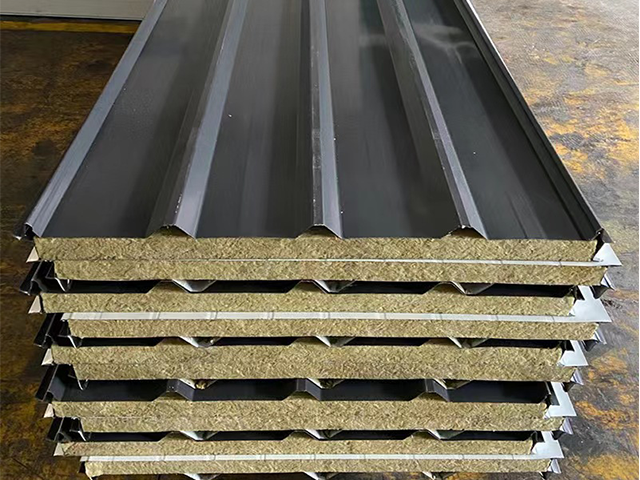
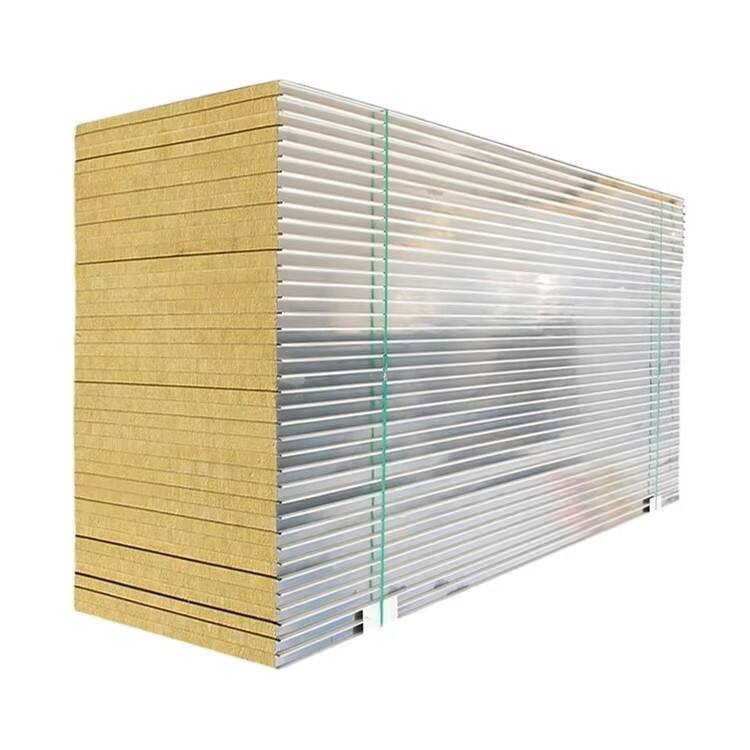
The fire resistant properties of rock wool sandwich panels come from their mineral wool core, which is mainly composed of basalt rock, dolomite, and recycled slag materials. When manufacturers melt these substances at around 1500 to 1600 degrees Celsius, they spin them into thick, tightly woven fibers that just won't catch fire easily. Mineral wool itself doesn't contain any organic components or hydrocarbons that could feed flames, making it essentially impossible for fires to spread through the material. What this means in practice is that structures using rock wool panels can stay intact and stable even when exposed directly to intense heat and flames, which is why so many building codes now specify their use in critical areas.
Thermal Stability of Rock Wool at Temperatures Exceeding 1000°C
Rock wool stands up remarkably well to extreme heat, able to handle temps over 1,093 degrees Celsius (that's 2,000 Fahrenheit) without melting down or breaking apart significantly, according to those standard fire resistance tests everyone in the industry runs. When exposed to these kinds of conditions, most rock wool samples keep around 85 to 90 percent of their original weight intact. What does this mean? It creates a solid protective layer between flames and whatever structure lies behind it, slowing down how fast heat moves through walls and ceilings. This property becomes absolutely critical during flashover situations where everything inside a burning building suddenly reaches blistering temperatures at once.
How the Inorganic Core Prevents Flame Spread and Smoke Development
Rock wool's inorganic composition means it doesn't catch fire easily and actually works against the spread of flames. The way the fibers are packed together creates barriers that limit how much oxygen gets through, which cuts down on smoke production significantly. Tests show around 70% less smoke than what comes from materials like polyurethane insulation that burns readily. Another big plus is that rock wool won't release harmful fumes when exposed to heat, something many organic foam insulations do. This characteristic helps explain why rock wool has earned the top Euroclass A1 fire safety rating. When fires break out, rock wool stops flames from spreading quickly and reduces dangerous smoke levels throughout a building. For places where lots of people gather, such as schools or office complexes, this makes all the difference in containing fires before they become disasters.
Proven Fire Resistance: Testing, Ratings, and Compliance Standards
Understanding Euroclass A2 s1 d0 and A1 Fire Ratings for Rock Wool Sandwich Panels
According to the European EN 13501-1 standard, rock wool sandwich panels get top marks when it comes to fire safety. They're classified as A1 (completely non-combustible) and A2 s1 d0 (with limited combustibility). What does this mean practically? These panels don't produce any flaming droplets and create very little smoke when exposed to fire, which makes them much safer than alternatives with combustible cores such as polyurethane. Tests conducted by third parties have demonstrated that A1 rated panels can handle temperatures above 1,000 degrees Celsius for over two hours straight without showing any signs of failure. This performance meets the strict building codes required for places where fire safety is critical, including hospitals, data centers, and various other facilities considered high risk.
Case Study: Full-Scale Fire Tests Demonstrating Panel Endurance
In a 2022 multi-story building simulation involving hydrocarbon fires reaching 1,100°C within 10 minutes, rock wool sandwich panels demonstrated superior endurance after two hours:
- The core temperature remains stable at 550 ° C (compared to 890 ° C for EPS panels)
- Smoke opacity remains at 12%, far below the safety threshold of 20%
- Despite a wind load of 8.5 kN/m ², no structural collapse occurred
These results comply with the requirements of NFPA 285 and IBC for high-rise building exterior walls, strengthening the position of rock wool as the preferred passive fire protection option.
Rock Wool vs. Combustible Alternatives: A Safety-Critical Comparison
Fire Performance Comparison: Rock Wool vs. Polyurethane (PU) and EPS Cores
When it comes to fires, rock wool just beats the pants off most other insulating materials that catch fire easily. Take polyurethane for instance it starts breaking down around 200 degrees Celsius, while expanded polystyrene isn't even safe past about 100 degrees. Rock wool on the other hand stays put way beyond 1,000 degrees according to some recent tests from ASTM back in 2023. And here's another big difference regular polyurethane gives off hydrogen cyanide gas when it burns, something that can really hurt people nearby. Rock wool doesn't do this because it's made from minerals basically sand and stuff melted together so there's nothing organic to burn away into dangerous fumes.
Why A-Grade Non-Combustible Materials Are Essential in Modern Building Codes
International building codes now demand Euroclass A1/A2 materials for any structure exceeding 18 meters in height, effectively banning EPS and untreated PU cores from façade installations. The latest edition of the International Fire Code from 2023 shows some pretty significant numbers: buildings using non-combustible insulation see fires spreading at about 67% slower rate compared to ones with combustible options. Rock wool stands out because it doesn't need those chemical additives that tend to break down over time in PU and EPS materials. This makes rock wool particularly valuable for facilities like hospitals, schools, and industrial complexes where maintaining passive fire protection standards is critical according to NFPA 5000 regulations. Facility managers appreciate this long term reliability aspect when considering their safety requirements.
Critical Applications of Rock Wool Sandwich Panels in High-Risk Buildings
Protecting Lives and Assets in Hospitals, Schools, and Data Centers
Rock wool sandwich panels play a critical role in places where people need to get out safely and valuable equipment must stay protected. Hospitals rely on them because they have an A1 non combustible rating that stops fires from spreading and keeps the air breathable when things go wrong. Schools install these panels as fire resistant walls and ceiling systems, which makes getting out of buildings much safer during emergencies. For data centers, rock wool stands up to temperatures above 1000 degrees Celsius, so it can trap electrical fires before they spread through server rooms and cause bigger problems. All these applications fit what international building standards demand for insulation materials that produce absolutely no smoke in areas where people actually work and live.
Industrial Use Cases: Glass Magnesium and Heavy-Duty Rock Wool Panel Applications
Many industrial sites turn to rock wool sandwich panels when they need something that handles both fire protection and structural demands. The glass magnesium faced ones stand out because they resist corrosion and hold up for 120 minutes in flames, which is why chemical processing facilities often choose them when dealing with those nasty hydrocarbon fires. For really tough environments like power generation plants, there are heavy duty versions with around 150 kg per cubic meter density that actually function as firewalls, staying intact even after hours of intense heat exposure. Looking at recent safety assessments across various industries, companies report getting through their OSHA paperwork about 40 percent quicker when these non-combustible materials are part of their construction plans instead of regular combustible alternatives.
Enhancing Structural Integrity and Passive Fire Protection Systems
Role of Rock Wool Sandwich Panels in Delaying Structural Collapse During Flashover
Rock wool panels help prevent buildings from collapsing during flashover events because they form a fire resistant barrier between burning materials and important structural parts. Tests have demonstrated that these panels can keep working as insulation for about two hours even when exposed to temperatures reaching 1000 degrees Celsius. This means less heat gets transferred to steel beams inside buildings, cutting down on heat exposure by roughly three quarters compared to what happens when there's no protection at all. What makes this possible is the mineral wool inside the panels. These fibers are made from inorganic materials that don't start melting until temperatures hit around 1177 degrees Celsius according to standard ISO 6944 from 2023. This gives steel structures extra time before they begin to weaken and potentially fail under extreme heat conditions.
Integrating Insulated Fire-Resistant Panels Into Passive Building Safety Design
Rock wool panels are now being used extensively in modern passive fire protection setups across walls, roofs, and even around ductwork to contain fires without needing any active systems running. The good news is these materials actually hit the tough Euroclass A1 fire rating standard, which basically means they won't catch fire themselves. Plus they do double duty as both insulators against heat and as something that helps strengthen building structures. Looking at how passive fire protection works shows why it's so important for keeping escape paths safe during emergencies. That's probably why we're seeing these requirements pop up more often in tall buildings and factories according to the latest changes in the International Building Code regulations.
Frequently Asked Questions (FAQs)
What is rock wool made of?
Rock wool is predominantly made up of basalt rock, dolomite, and recycled slag materials, spun into fibers that resist fire.
How does rock wool differ from polyurethane and EPS cores in terms of fire resistance?
Rock wool is non-combustible and maintains integrity at high temperatures, unlike polyurethane and EPS cores, which burn and produce toxic gases.
Why is rock wool favored in high-risk buildings?
Rock wool panels provide superior fire protection, stability, and safety in settings like hospitals, schools, and data centers.
Do rock wool panels meet building code standards?
Yes, rock wool panels meet high fire safety standards like Euroclass A1/A2 and are compliant with global building regulations.
How do rock wool panels enhance structural integrity?
By providing a fire-resistant barrier, rock wool panels help delay structural collapse during high-temperature flashover events.
Table of Contents
- The science behind the non combustible rock wool core
- Proven Fire Resistance: Testing, Ratings, and Compliance Standards
- Rock Wool vs. Combustible Alternatives: A Safety-Critical Comparison
-
Critical Applications of Rock Wool Sandwich Panels in High-Risk Buildings
- Protecting Lives and Assets in Hospitals, Schools, and Data Centers
- Industrial Use Cases: Glass Magnesium and Heavy-Duty Rock Wool Panel Applications
- Enhancing Structural Integrity and Passive Fire Protection Systems
- Role of Rock Wool Sandwich Panels in Delaying Structural Collapse During Flashover
- Integrating Insulated Fire-Resistant Panels Into Passive Building Safety Design
- Frequently Asked Questions (FAQs)