EN
EN


Core Phases of Metal Warehouse Installation: Foundation, Frame, and Cladding
Foundation Preparation and Site Readiness
Getting the site ready matters a lot if we want metal warehouses to stand firm over time. First things first, crews clear out whatever's growing there and dig down where needed. Then comes the tricky part - leveling everything off so weight spreads evenly across the ground. Depending on what kind of dirt they find underneath, builders will either pour a big concrete pad or install support piers. Drainage channels get added too because nobody wants standing water weakening the whole setup. Most contractors wait about a week to two weeks after pouring concrete before starting to erect those steel frames. Skip any step here and problems pop up later when walls don't line up right, which means expensive fixes down the road. Taking care of these details upfront pays off in stronger buildings and fewer headaches once construction gets going.
Structural Steel Erection: Anchor Bolts to Roof Trusses
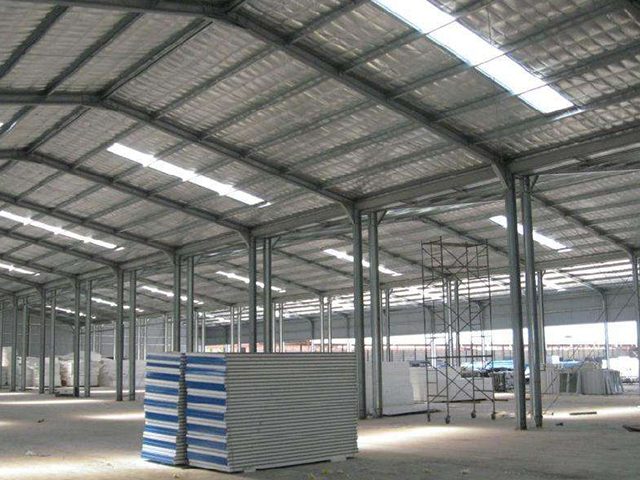
When it comes to steel frame assembly, what begins as blueprints turns into something solid and lasting. The components arrive at the job site already made - those big columns, long beams, and triangular roof trusses - ready to be hoisted into place by heavy duty cranes. Workers start by making sure those anchor bolts sit just right in the concrete base, then they get busy lining up the vertical supports before attaching all the main and secondary structural pieces. For keeping everything stable sideways, horizontal beams go across and diagonal braces add extra strength. Roof trusses either snap together with bolts or get permanently joined through welding techniques. An experienced team can put up frames for warehouses covering around 10,000 square feet pretty fast these days, usually finishing within three to five working days depending on weather conditions. Getting this right means paying close attention to how things line up and following strict rules about handling wind forces and earthquake risks, because nobody wants their building to fail safety inspections later on.
Cladding, Insulation, and Weather-Tight Enclosure
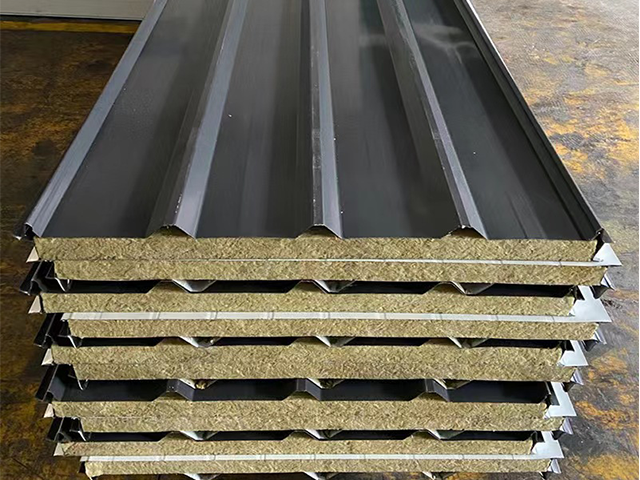
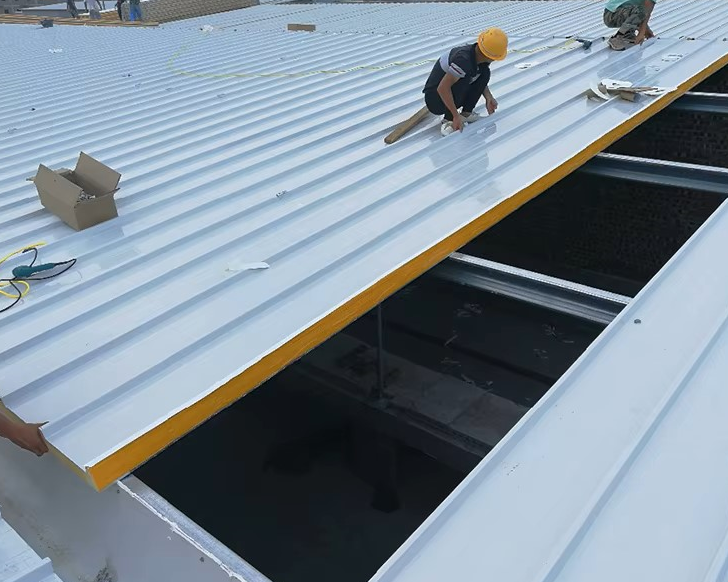
The last step wraps up work on the building envelope, which keeps everything inside safe from outside conditions. Most walls and roofs get covered with panels made from galvanized steel or aluminum, attached to those structural supports called purlins and girts using bolts and screws. Builders put insulation material between the frame and the outer layer to make buildings warmer in winter and cooler in summer while also cutting down on heating and cooling bills. They apply special sealant around all the seams, edges where the roof meets the wall, and wherever pipes or wires go through the structure so water stays out. Getting these details right matters a lot. Panels need to overlap at least six inches, and screws should be spaced somewhere between twelve and twenty-four inches apart to hold against strong winds. Even though this part takes about thirty to forty percent of the whole installation process, once it's done, workers can start putting together the interior spaces because now there's no risk of rain getting in or anything blowing away.
Key Factors That Accelerate or Delay the Metal Warehouse Installation Timeline
Project Scale and Design Complexity (e.g., Clear-Span vs. Multi-Bay with Mezzanines)
How big and complicated a building is makes a huge difference in how fast it gets put together. Take a simple 10,000 square foot clear span warehouse for instance it usually goes up 40 to 60 percent quicker compared to similar sized buildings with multiple bays and mezzanines throughout. When things get complex, engineers need to spend more time coordinating details, extra support structures are required, and everyone has to follow strict sequences when putting pieces together. Adding mezzanines means working at heights which brings in all sorts of safety requirements that slow down crews. Special features like overhead cranes or custom ventilation systems take even longer because they demand exact placement and thorough testing after installation to make sure everything works properly. Standard designs on the other hand tend to move along faster since contractors already know the drill and can stick to tried and true methods most of the time.
External Dependencies: Permitting, Weather, and Supply Chain Reliability
Three external factors often determine schedule feasibility:
- Permitting timelines: Approval durations vary by jurisdiction—urban projects may face 4–8 week delays due to zoning reviews and environmental assessments
- Weather conditions: Heavy rain or high winds can halt foundation pouring and steel erection; seasonal planning helps mitigate weather-related downtime
- Material availability: Disruptions in the supply chain, especially for structural steel or roofing panels, can cause cascading delays
Proactive strategies include submitting permit applications early, building weather flexibility into the schedule, and maintaining buffer inventories. Dual-sourcing key components and leveraging prefabricated systems reduce reliance on continuous deliveries and minimize on-site vulnerability.
How Prefabrication and Integrated Project Management Optimize Metal Warehouse Installation
Off-Site Fabrication Efficiency: Reducing On-Site Labor and Crane Time
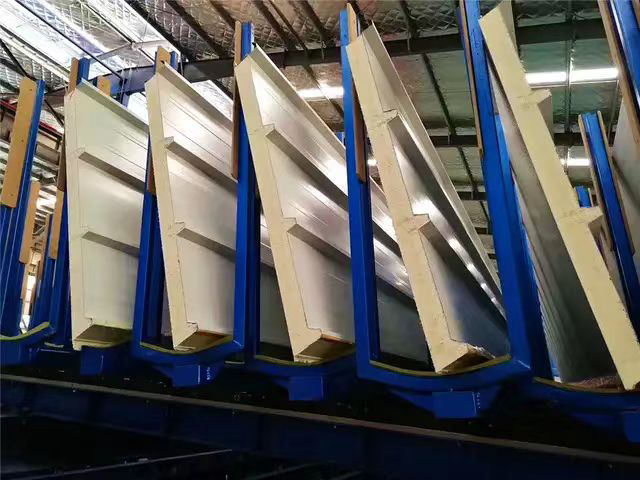
Building metal warehouses becomes much more efficient when we move fabrication off site. When manufacturers create components like columns, trusses, and insulated panels in factories instead of on location, they cut down on site labor requirements by around 40% compared to older methods. The pre-engineered parts come ready to go with bolts already in place and insulation built right in, so there's no need for extra welding or cutting on site. This saves time because different trades don't have to coordinate as much during installation. Another big plus is that these modular pieces require less crane work, which is one of the most expensive parts of any construction job. Faster lifting means shorter rental periods for cranes. On average, mid sized warehouse projects see crane deployment reduced by somewhere between three and five weeks. Good project management makes all this work smoothly too. Coordinating factory production with deliveries happens through digital tools that keep everything moving along without those frustrating delays where workers sit around waiting for materials.