EN
EN


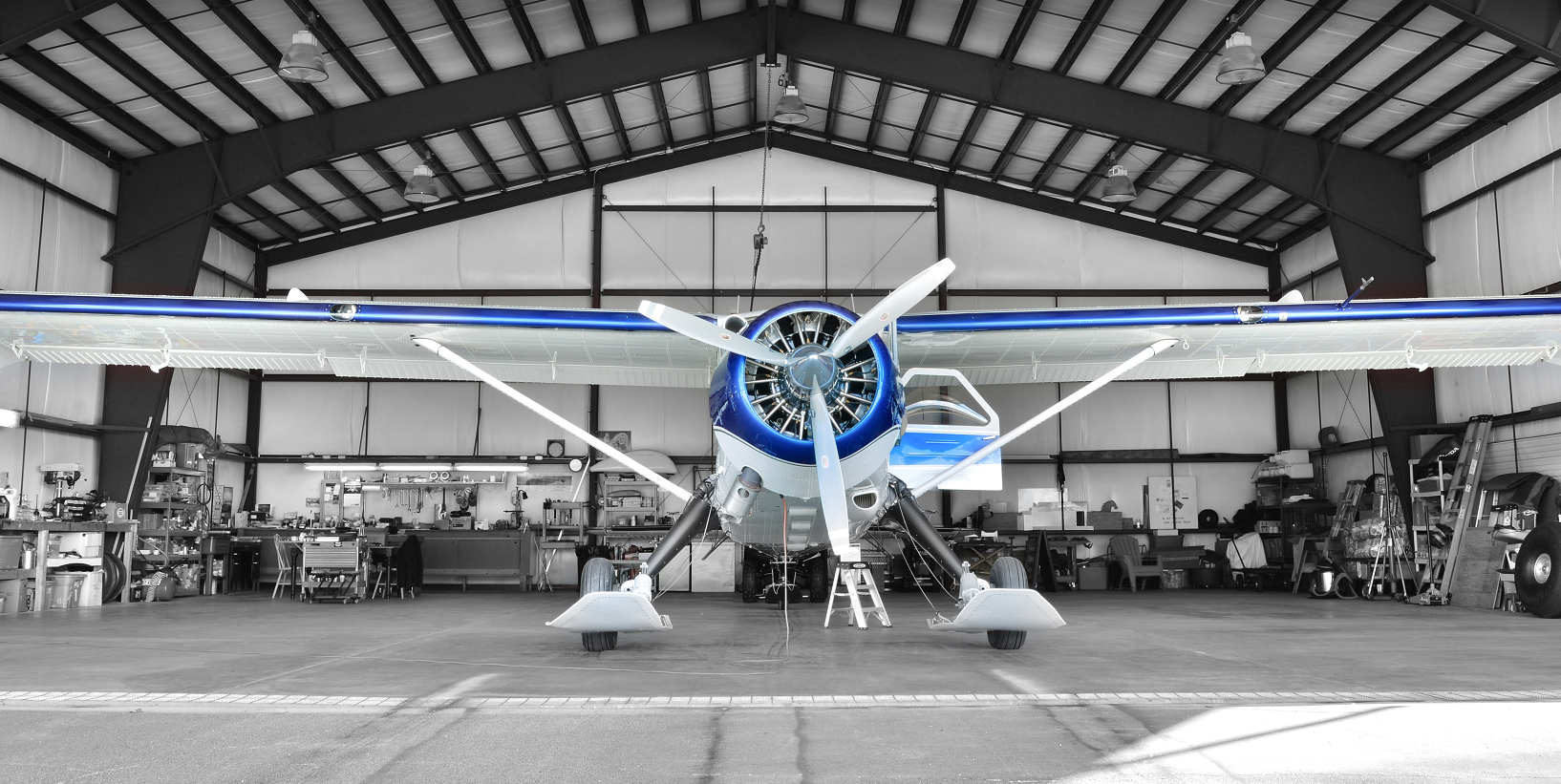
Structural Performance of EPS Sandwich Panels in Large-Span Hangar Envelopes
Load-Bearing Capacity and Deflection Control for Wide-Open Hangar Interiors
EPS sandwich panels offer solid structural support for aviation buildings. Tests show they can handle compression forces ranging from around 15 to 25 psi, which means these panels can span distances over 80 feet without needing extra supports in between. This is exactly what hangar designers need when creating spaces where aircraft movement isn't blocked by columns or beams. When subjected to both wind and snow according to IBC 2021 guidelines, the panels bend only slightly within acceptable limits (about L/240), so roofs stay flat over time instead of sagging. The combination of strong steel skins on either side with the EPS insulation core works together pretty well to spread out weight from things like maintenance tools hanging from ceilings or heavy machinery placed temporarily during repairs.
Weight-to-Strength Ratio: How Lightweight EPS Sandwich Construction Maintains Structural Integrity
EPS cores have an incredibly low density ranging from 1.5 to 2.5 pounds per cubic foot, which makes them game changers for big construction projects where spans matter most. We're talking about something that weighs only 10% of what concrete would typically require. This means foundations can be smaller and cheaper too, cutting down on costs by around 30 to 40% without sacrificing structural integrity. The lightweight nature speeds up installation times significantly, reduces stress during earthquakes, and makes transportation much easier even when dealing with tough terrain or hard to reach locations. What's really impressive is how these materials handle water. Their closed cell design keeps moisture out pretty effectively, with absorption rates below 1% if they're sealed properly. This protection stands up against repeated freezing and thawing cycles and prevents those annoying long term issues with heat damage that plague other materials over time.
| Material | Density (lb/ft³) | Typical Span | Foundation Cost Reduction |
|---|---|---|---|
| EPS Sandwich Panel | 1.5–2.5 | 80+ ft | 30–40% |
| Concrete | 150–160 | 50 ft | Baseline |
Fire Safety and Thermal Efficiency: Meeting Aviation Facility Standards with EPS Sandwich Panels
ASTM E84 and EN 13501-1 Compliance: Achieving Class A Fire Performance in EPS Sandwich Systems
EPS sandwich panels reach Class A fire performance standards when made with special flame retardants and built-in fire barriers. These meet the tough requirements needed for aviation facilities according to ASTM E84 and EN 13501-1 tests. Independent labs have confirmed that these panels show flame spread ratings below 25 and smoke density readings under 450, which goes well beyond what's required for hangar construction. What makes them stand out is how newer versions actually stop burning on their own and produce minimal smoke when exposed to heat, reducing chances of fires getting worse. The solid steel outer layer plays a big role too, acting as a barrier against heat transfer while preventing flames from spreading sideways thanks to strong thermal bonds between layers.
Thermal Bridging Mitigation and Year-Round Energy Performance in High-Ceiling Hangars
Traditional framed construction often suffers from thermal bridging issues caused by steel components, but EPS sandwich panels offer something different altogether. These panels create continuous insulation throughout entire 100 foot spans without interruption. The material has a thermal conductivity rating below 0.042 W/m·K and delivers around R-4 insulation value per inch thickness. This means no more cold spots forming or condensation risks developing, even when temperatures drop below freezing point. Hangars with high ceilings see real benefits too, as heating and cooling demands can drop by nearly half compared to conventional methods. Tight sealing between panels and quick installation that creates weatherproof enclosures make all the difference, particularly important given how often aircraft doors open and close throughout operations. Take a standard sized hangar covering about 40,000 square feet for example the annual savings on running costs typically top out somewhere north of eighteen thousand dollars.
Project Delivery Advantages: Speed, Cost, and Customization with EPS Sandwich Panels
Accelerated On-Site Assembly: Case Study – 42,000 sq ft General Aviation Hangar (TX)
Recently finished in Texas, a massive 42,000 sq ft hangar for general aviation took only three weeks to complete thanks to prefabricated EPS sandwich panels. This approach shaved off about 60% from what it would normally take with traditional steel framing methods. The manufacturer sent panels already cut to fit the specific requirements of this hangar project - needing 40 ft clear height space and accommodating a huge 100 ft wide aircraft door. No need for cutting on site meant less mess and wasted materials during installation. Just six workers managed to put up around 2,500 sq ft each day without needing any cranes because these panels are so light weight and don't require heavy foundations either (about 20% less load on the ground). Labor expenses went down nearly half compared to standard practices, while getting the building enclosed earlier allowed interior work to start much sooner than expected, roughly eight weeks ahead schedule. Overall costs came out about 30% cheaper than conventional approaches, making EPS sandwich systems look really promising for projects where timing matters most in aviation facilities.
Material Reliability: EPS Core Properties for Long-Term Aviation Infrastructure Use
EPS has a closed cell structure that gives it lasting benefits important for aviation infrastructure where reliability matters most. Metals tend to corrode when exposed to de-icing chemicals or saltwater near coastlines, but EPS doesn't react chemically. It stands up against rust, rotting, and damage from living organisms while still holding strong structural integrity for many years. Tests done in labs show that even after simulating 50 years of use with temperatures swinging between minus 40 degrees Fahrenheit and 180 degrees Fahrenheit, EPS keeps about 95% of its original strength and insulation properties. When we look at how well it handles moisture and maintains its shape over time, all these characteristics mean aircraft components made with EPS perform consistently without needing regular maintenance something that's really important when dealing with expensive plane parts.
Table of Contents
- Structural Performance of EPS Sandwich Panels in Large-Span Hangar Envelopes
- Fire Safety and Thermal Efficiency: Meeting Aviation Facility Standards with EPS Sandwich Panels
- Project Delivery Advantages: Speed, Cost, and Customization with EPS Sandwich Panels
- Material Reliability: EPS Core Properties for Long-Term Aviation Infrastructure Use