EN
EN


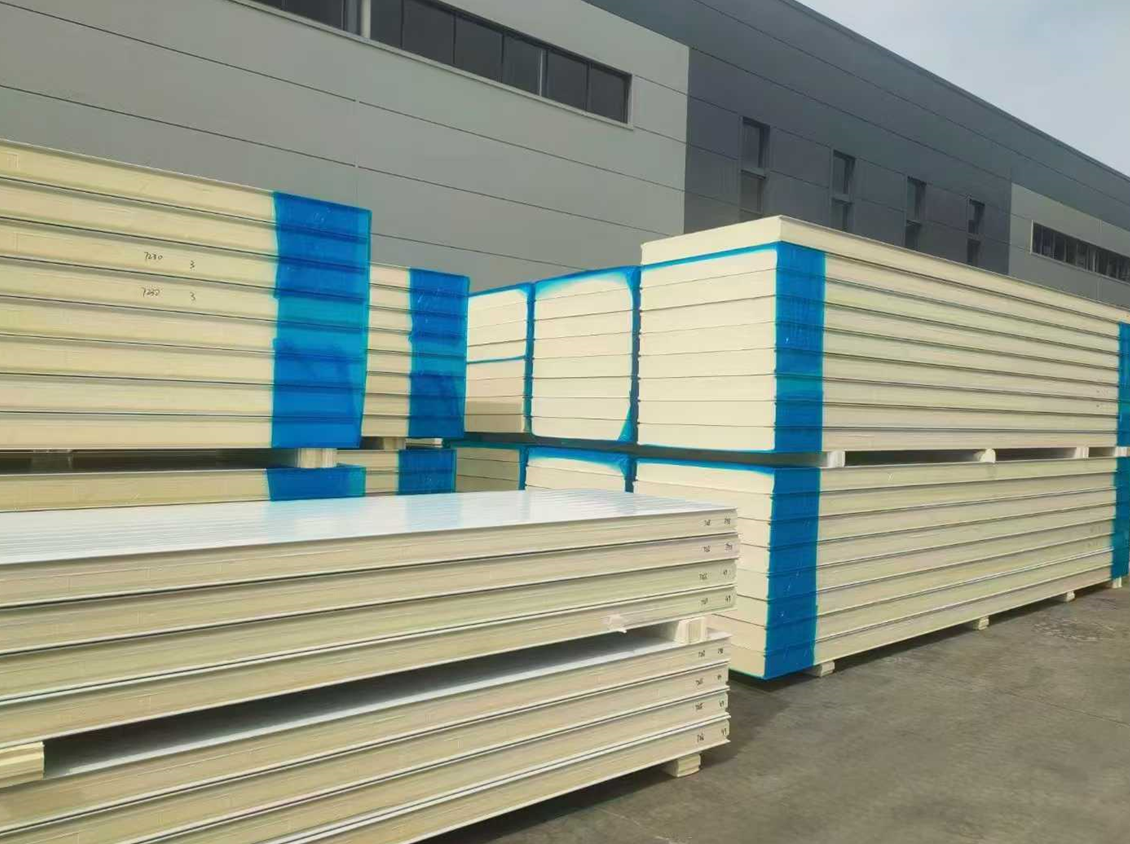
Superior Thermal Performance and R-Value Optimization
How Thermal Conductivity Influences Insulated Panel Selection for Sub-Zero Environments
When it comes to picking out insulated panels for cold storage facilities, thermal conductivity really matters. Thermal conductivity basically measures how fast heat moves through a material, usually expressed in those W/m·K units we all see in spec sheets. Materials with lower conductivity values stand up better against heat loss in freezing conditions, which helps maintain consistent temperatures inside the storage area and cuts down on what the fridge has to work so hard for. Some lab tests have actually found that dropping the conductivity of core materials even by something as small as 0.01 W/m·K can slash energy bills by around 8 percent when dealing with those super cold -30°C environments. That's why getting the conductivity numbers right from the start remains so important for anyone designing efficient cold rooms these days.
Comparing R-Values: Polyurethane vs. Polystyrene vs. Mineral Wool in Cold Storage Applications
R-value—thermal resistance per inch—is the most practical metric for comparing insulation performance in cold storage. Below is a concise comparison of common core materials:
| Material | Avg. R-Value per Inch | Moisture Resistance | Longevity in Sub-Zero Use |
|---|---|---|---|
| Polyurethane (PUR) | R-7.0 | Excellent | 20+ years |
| Polystyrene (EPS) | R-4.0 | Moderate | 10–15 years |
| Mineral Wool | R-3.3 | Poor | 7–12 years |
Polyurethane delivers 75% higher R-value than polystyrene and integrates seamlessly with continuous vapor retarders—key advantages in moisture-prone, sub-zero settings. As confirmed by ASHRAE (2023), facilities using PUR panels realize 32% lower annual refrigeration costs compared to EPS, reinforcing its leadership in energy-critical applications.
Beyond Initial R-Value: Long-Term Thermal Stability in Real-World Cold Rooms
Just looking at initial R-values doesn't tell the whole story when it comes to how well insulation holds up in real world conditions. What really matters is how materials stand up against things like thermal bridging, joint breakdowns, and moisture getting inside over time. Some field tests have shown interesting results: polyurethane cores can keep about 95% of their original R-value even after sitting in cold temperatures (-25 degrees Celsius) for a full decade. Meanwhile, polystyrene tends to lose performance faster, dropping down to around 78% because it absorbs moisture gradually over time. The reason behind this difference has to do with the material structure itself. Open cell designs are simply more vulnerable to these issues, though they aren't inherently worse in terms of basic R-value. Today's better performing panels address this problem by using closed cell PUR cores instead. Manufacturers also apply special vapor barriers during production that meet Class I standards (less than or equal to 0.1 perm). These barriers get applied all along the seams and around fasteners where problems typically start. When everything works together like this, buildings stay thermally stable for many years rather than just a few months before needing replacement.
Effective Moisture Resistance and Vapor Barrier Integration
Preventing Interstitial Condensation with Continuous Vapor Retarders
Condensation between walls happens when warm moist air gets into building components and then freezes inside the insulation layers. This is actually one of the main problems causing heat loss issues in cold storage facilities. Vapor barriers stop this movement of moisture, and their effectiveness is measured by something called perm ratings which tells us how much water vapor passes through each square meter daily. Facilities operating below freezing temperatures absolutely need Class I vapor barriers rated at 0.1 perms or lower. These barriers offer the strongest protection against moisture and meet requirements set out in the International Building Code for refrigeration areas. What really matters though isn't just what type of material we use but making sure there are no gaps anywhere. Even small openings around joints, where pipes go through walls, or near screws can let moisture sneak past the best barriers available. The smart approach is to build these Class I vapor barriers right into the insulated panels during production rather than trying to install them later on site. Doing it this way keeps the whole building envelope intact so the system maintains its thermal efficiency over time and avoids expensive damage down the road.
Lessons from the Field: Cold Room Retrofit Failure at -25°C Due to Moisture Infiltration
In early 2022, a pharmaceutical warehouse retrofitted for -25 degree Celsius storage started having serious thermal issues just six months later because the vapor barrier failed completely. The contractors put in what they called a Class II (around 0.5 perm) retarder material, but skipped all the important steps like sealing those seams properly and paying attention to how fasteners were placed. Little cracks and gaps let moisture sneak through over time. What happened next was pretty bad too. Ice built up inside the walls, cutting down insulation effectiveness by nearly half and causing structural problems that cost around $200k to fix according to Cold Chain Case Study from last year. Worse still, temperature fluctuations damaged sensitive products stored there and brought regulators knocking on the door. Looking at this situation shows why vapor control is not just about picking good materials off a spec sheet. Real world results depend heavily on proper execution across the entire system. Using premium factory-made Class I barriers along with strict quality checks during installation makes all the difference when trying to avoid these kinds of expensive mistakes down the road.
Hygienic Design for Compliance with Food and Pharmaceutical Standards
Meeting FDA 21 CFR Part 110 and EU GMP Annex 15 with Non-Porous, Seamless Insulated Panels
Hygienic design isn't something companies can skip when it comes to cold storage facilities for food and pharmaceuticals. Regulations like FDA 21 CFR Part 110 and EU GMP Annex 15 demand surfaces that stop microbes from sticking around, prevent cleaning agents from getting trapped, and block biofilms from forming. The good news? Non porous, seamless insulated panels naturally fulfill all these needs. These panels are made as single pieces without joints, so there are no hidden spots where nasty bacteria such as Listeria monocytogenes might hide out even at freezing temperatures below zero degrees Celsius. Traditional wall systems built with grout lines or caulked seams tend to trap moisture, making them harder to clean properly. Facilities using seamless panels report significantly faster cleaning times during routine maintenance checks. From an auditor's standpoint, these panels show clear evidence of compliance right from the start, which means less paperwork during inspections and better protection if there ever happens to be issues related to contamination or regulatory problems down the road.
Energy Efficiency and Lifecycle Cost Savings
Calculating ROI: How High-Performance Insulated Panels Reduce Refrigeration Load by Up to 32%
Insulated panels designed for high performance cut down on refrigeration needs by forming a continuous barrier against heat transfer. These panels stop warm air from sneaking in through walls, ceilings, and where different parts of the building meet. When manufacturers use better core materials like closed cell polyurethane and make sure there are no gaps for moisture to get through, the results speak for themselves. Refrigeration systems need about 32% less energy compared to standard options. For every 10% drop in cooling requirements, businesses usually save around 8 to 10% each year on their electricity bills. Looking at the big picture over two decades, these small daily savings add up to somewhere between three and four times what was spent initially. Most companies see their investment pay back within five to seven years. There's also extra benefit because equipment lasts longer when it doesn't have to run constantly, and sometimes businesses can actually install smaller refrigeration units when upgrading old facilities instead of buying brand new ones. At the end of the day, what really matters isn't just how many kilowatt hours are saved, but whether these savings keep coming in consistently throughout the entire lifespan of the installation.