EN
EN


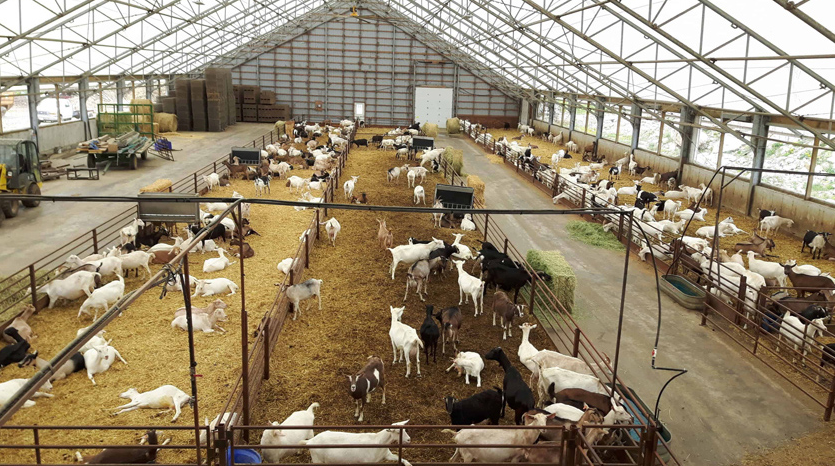
Durability and Structural Integrity of Metal Sheds in Farming Conditions
Steel Frame Strength Under Heavy Loads and Livestock Use
Steel framed metal sheds stand up much better against farm conditions than most people realize. According to some recent research from agricultural engineers back in 2024, these buildings can handle snow loads that are about 30 percent heavier than what wooden structures manage, plus they hold firm even when winds reach speeds around 130 miles per hour. Farmers who keep sheep will tell anyone that this strength matters a lot. Eight out of ten report their animals regularly bump into shed walls throughout the day. Wood tends to crack under such constant pressure, while properly treated galvanized steel just keeps going without showing damage. Many ranchers have switched over simply because their livestock won't stop testing every surface they encounter.
Longevity of Galvalume Plus™ Steel in Harsh Agricultural Environments
Metal sheds coated with Galvalume Plus™ last much longer than standard options, often giving farmers over 40 years of reliable service even when exposed to harsh conditions on farms. Field testing over a decade in places where moisture levels are consistently high shows these special coatings stand up well against ammonia from animal waste something that can rot wooden structures in just 5 to 7 years. The material also fights off UV damage that tends to weaken concrete over time. Real world experience tells another story too many farmers have noticed their maintenance bills drop by nearly 90% each year compared to what they used to spend maintaining older materials. This kind of cost savings adds up fast for anyone running a farm operation.
Comparison with Wood and Concrete: Why Metal Outperforms Traditional Materials
| Material | Annual Maintenance Cost | Average Lifespan | Structural Failure Risk (20 yrs) |
|---|---|---|---|
| Wood | $1,200–$2,500 | 12–18 years | 42% (rot/pest damage) |
| Concrete | $800–$1,500 | 25–30 years | 18% (cracking/subsidence) |
| Galvanized Steel | $90–$300 | 35–45+ years | 3.7% (extreme weather events) |
According to a 2024 agricultural infrastructure report, steel buildings demonstrated a 92% survival rate during hailstorms that destroyed 68% of wooden farm structures, underscoring their superior resilience.
Balancing Initial Investment with Long-Term Value Retention
Metal sheds definitely cost more upfront than wooden ones usually around 15 to 25 percent extra but they last about 50 years so nobody has to worry about replacing them as often. Some research done in 2023 showed interesting numbers too. After twenty years on the property, steel farm structures still hold onto about 84 percent of what they were originally worth while wood structures drop down to only 33 percent. There are other financial advantages worth mentioning as well. Steel buildings qualify for better tax depreciation treatment which helps businesses save money over time. Plus insurance companies tend to charge about 38 percent less for coverage because these structures resist fires much better than wood does. When all these factors get added together, steel sheds actually end up being roughly 27 percent cheaper to own each ten year period even though they start out more expensive.
Superior Weather and Environmental Resistance for Livestock Protection
Withstanding rain, snow, wind, and extreme temperature fluctuations
Metal sheds today hold up really well in all sorts of weather conditions. They can handle serious rainstorms, snow buildup as much as around 50 pounds per square foot, and even winds blowing over 150 miles an hour without falling apart. These structures stay solid when temperatures swing wildly between minus 40 degrees Fahrenheit and a scorching 120 degrees Fahrenheit. What makes them stand out is their ability to avoid those annoying warps and cracks that happen so often with wooden or concrete buildings during repeated freezing and thawing periods. That's where most traditional materials tend to fail after some time.
Case study: Metal sheep sheds enduring severe storms on New Zealand hill farms
Following Cyclone Dovi’s 132 mph winds in 2022, evaluations showed 96% of metal sheds retained full structural integrity, compared to only 43% of timber equivalents. This reliability has led 82% of surveyed South Island farmers to transition to steel shelters since 2020.
Growing trend toward storm-resilient infrastructure in climate-vulnerable regions
The Global Farm Infrastructure Report 2023 noted a 73% year-over-year increase in steel shed installations in areas prone to Category 4+ hurricanes. Governments in Australia’s bushfire-prone zones and Southeast Asia’s monsoon belts now offer 15–20% tax incentives for constructing climate-resistant livestock shelters.
Fire and corrosion resistance: Safety benefits of galvanized steel buildings
Galvanized steel sheds achieve Class A fire ratings, limiting flame spread to 3.8 ft/minute—significantly slower than wood at 14.2 ft/minute (NFPA 2022). The protective coating also provides 4–6 times greater corrosion resistance than untreated steel, contributing to lifespans of 40–60 years with minimal upkeep.
Optimal Ventilation, Insulation, and Natural Lighting for Sheep Health
Metal sheds combine structural strength with advanced environmental control, supporting optimal sheep health through thoughtful design.
Preventing Respiratory Issues Through Effective Ventilation in Metal Sheds
Poor ventilation increases moisture and ammonia levels, raising ovine respiratory disease risk by 40% (Livestock Health Journal 2023). Metal sheds mitigate this with precisely placed openings that ensure consistent air exchange while avoiding harmful drafts.
Design Strategies for Natural Airflow: Ridge Openments and Adjustable Vents
- Ridge vents use thermal updrafts to passively expel hot, moist air
- Sidewall louvers with 12–18% perforation rates promote cross-ventilation
- Automated vent systems adjust based on real-time humidity data for optimal airflow
Insulating Metal Buildings With Radiant Barriers for Climate Control
Pairing reflective radiant barriers with breathable insulation—such as eco-friendly wool blends (R-value 3–4 per inch)—maintains stable internal temperatures. This combination reduces summer heat stress by 58% and lowers hypothermia risks during lambing seasons.
Maximizing Daylight With Translucent Panels to Improve Sheep Behavior
Incorporating 10–15% translucent roof panels supports natural circadian rhythms, reducing aggressive behaviors in sheep by 31% (Animal Husbandry Review 2022). These panels also cut supplemental lighting costs by 40–60% annually compared to conventional wooden barns.
Low Maintenance and Long-Term Cost-Effectiveness of Steel Structures
Reduced Upkeep Needs: Pest Resistance and Durability of Metal Buildings
Steel sheds eliminate common maintenance issues associated with wood, including termite infestation, rodent damage, and rot—problems costing U.S. livestock farmers $3.8 billion annually (USDA 2023). Galvalume Plus™ coated steel requires no chemical treatments and incurs 78% lower annual upkeep costs than timber alternatives.
Evaluating Warranty and Material Quality, Including Galvalume Plus™ Coatings
Premium steel systems typically include 30-year corrosion warranties, backed by accelerated weathering tests showing four times the lifespan of untreated steel. Galvalume Plus™ not only resists degradation in ammonia-rich environments but also reflects UV radiation, reducing heat absorption by 34% (Metal Building Institute 2022).
Lifecycle Cost Analysis: Metal vs. Timber Sheds Over 20+ Years
A 2023 USDA Agricultural Infrastructure Report analyzed total ownership costs:
| Cost Factor | Metal Sheds | Timber Sheds |
|---|---|---|
| Initial Construction | $25,000 | $18,000 |
| Maintenance (20 yrs) | $3,200 | $12,500 |
| Replacement Costs | None | 2-3 rebuilds |
| Total (20 yrs) | $28,200 | $48,000 |
Thanks to modular assembly, metal sheds can be rebuilt 40–60% faster after extreme weather, minimizing downtime and flock displacement. Despite a 22% higher initial cost, steel delivers 58% greater cost efficiency over two decades.
Customization and Scalability of Metal Sheds for Evolving Farm Needs
Modular Design Allows Expansion as Flock Size Grows
Metal sheds utilize modular construction, enabling seamless expansion without full reconstruction. With 58% of sheep farmers expanding facilities every 5–8 years, adjustable framing systems allow incremental additions such as:
- Extra bays for lambing seasons
- Height extensions for automated feeding systems
- Attached quarantine wings for biosecurity
This approach reduces expansion costs by 30–40% compared to renovating traditional barns.
Adapting Steel Structures for Lambing Pens, Feed Storage, or Quarantine Zones
The open-span design of metal sheds—offering clear widths of 20‘ to 60‘—supports flexible interior layouts. Removable partitions let farmers create temporary lambing pens or dedicated feed storage areas as needed. Smooth, non-porous steel surfaces and sealed joints enhance hygiene, reducing disease transmission risks by 72% compared to porous wooden walls.
Scalable Architecture Meets Changing Demands in Modern Sheep Farming
Expansion kits for pre-engineered structures are matching up well with how flocks typically grow over time. According to a recent 2024 survey of agricultural businesses, about 89 percent of farmers who have metal sheds on their property can actually handle nearly double their current livestock numbers if they build out in stages. This kind of flexibility matters more than ever these days because weather patterns keep changing and what sells in markets fluctuates too. We're seeing this become a real focus area for many operations, which explains why the USDA has been handing out infrastructure grants lately to support farms building facilities that can grow with them while still standing up to whatever challenges come along.
FAQ Section
Why should farmers choose metal sheds over traditional wooden barns?
Metal sheds offer superior durability, resistance to weather, longer lifespan, and require less maintenance compared to wooden barns.
How does Galvalume Plus™ enhance the longevity of metal sheds?
Galvalume Plus™ provides excellent corrosion resistance, minimizes UV damage, and extends the life of metal sheds even in harsh agricultural environments.
Are metal sheds cost-effective in the long run?
Yes, despite higher initial costs, metal sheds are more cost-effective over time due to lower maintenance, longer lifespan, and better insurance rates.
Can metal sheds be customized as farm requirements change?
Absolutely. Metal sheds offer modular designs that allow for easy expansion and customization to accommodate growing or changing farm needs.
Table of Contents
- Durability and Structural Integrity of Metal Sheds in Farming Conditions
-
Superior Weather and Environmental Resistance for Livestock Protection
- Withstanding rain, snow, wind, and extreme temperature fluctuations
- Case study: Metal sheep sheds enduring severe storms on New Zealand hill farms
- Growing trend toward storm-resilient infrastructure in climate-vulnerable regions
- Fire and corrosion resistance: Safety benefits of galvanized steel buildings
- Optimal Ventilation, Insulation, and Natural Lighting for Sheep Health
- Low Maintenance and Long-Term Cost-Effectiveness of Steel Structures
- Customization and Scalability of Metal Sheds for Evolving Farm Needs
- FAQ Section