EN
EN


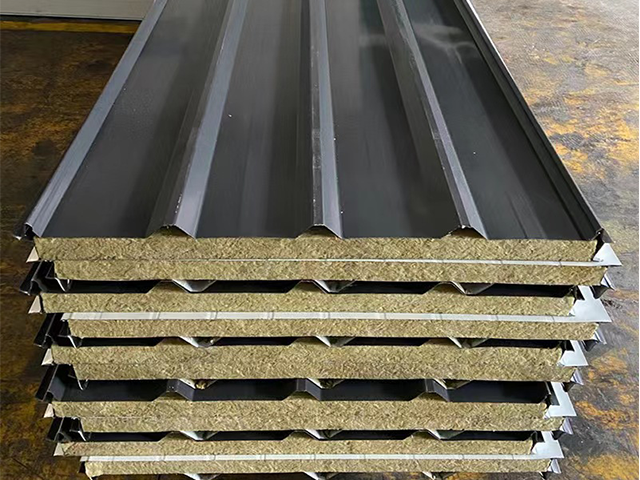
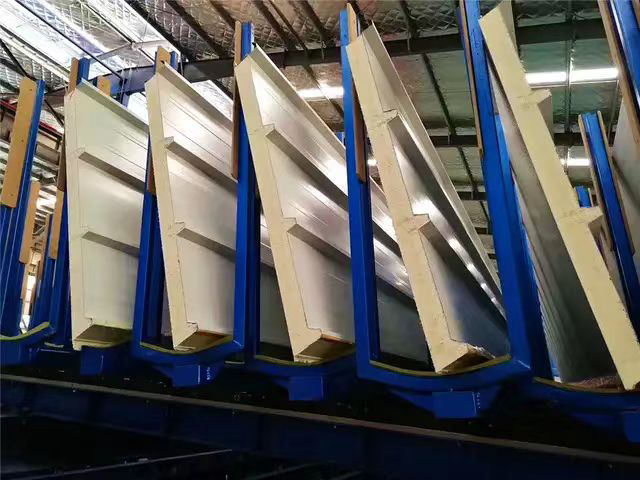
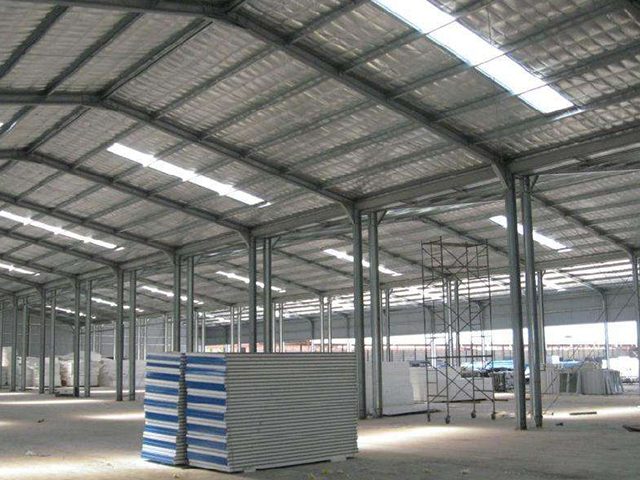
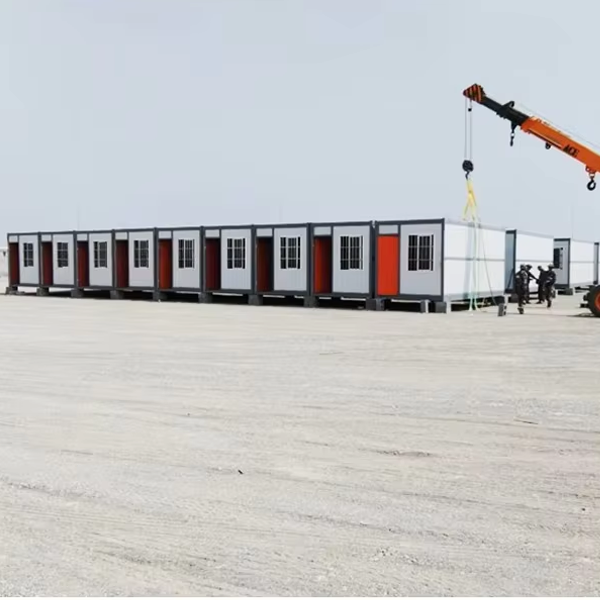
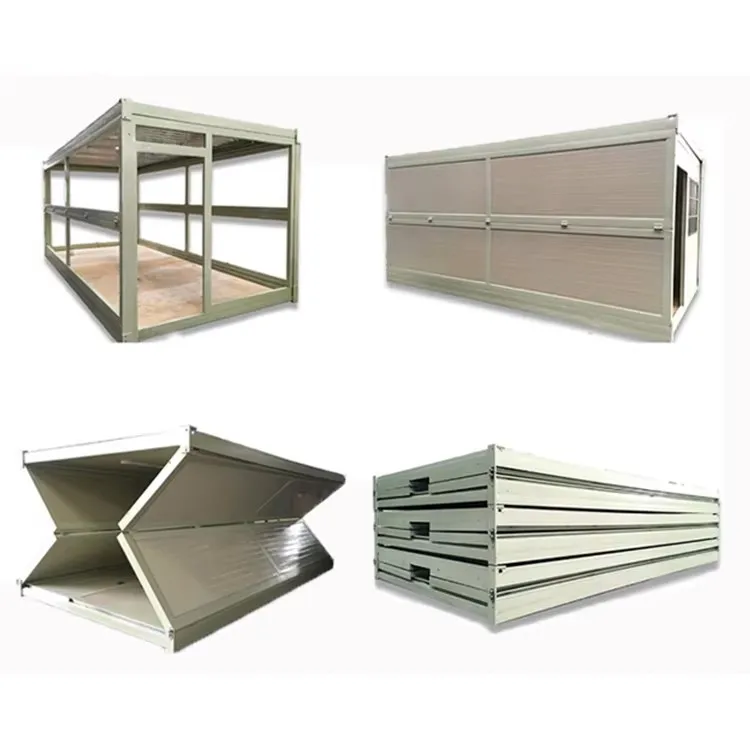
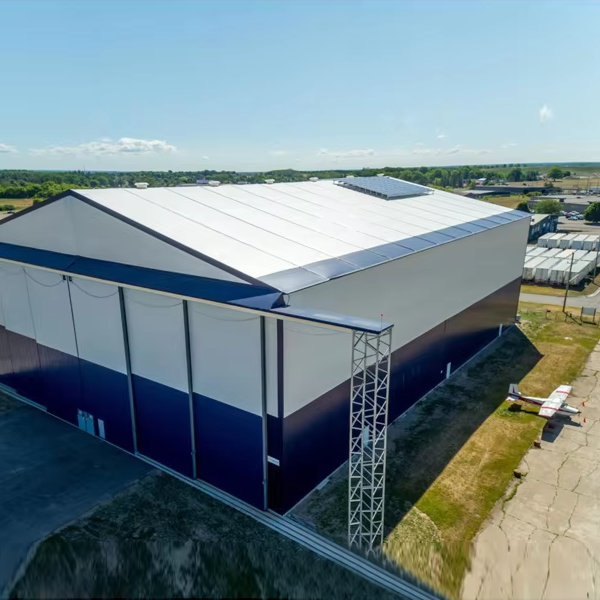
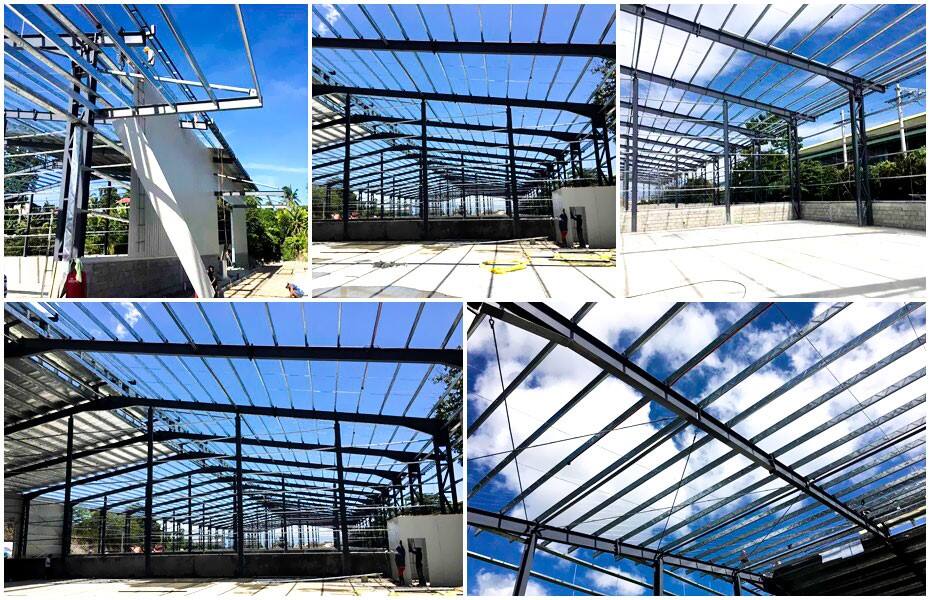
Metal building installation is a systematic process that involves assembling pre engineered steel components to construct a durable, functional structure, requiring careful planning, preparation, and execution to ensure structural integrity and performance. The process typically begins with site preparation, including clearing the area, leveling the ground, and pouring a concrete foundation that meets the building’s load requirements. Proper foundation preparation is critical, as it provides a stable base for the steel frame and prevents shifting or settling over time. Once the foundation is cured, the installation process moves to erecting the steel frame, starting with anchor bolts that secure the frame to the foundation. Columns and rafters are then positioned and connected using bolts or welding, forming the structural skeleton of the building. Precision is essential during this phase to ensure the frame is square, level, and plumb, as any misalignment can affect the fit of subsequent components. After the frame is in place, wall panels are attached to the frame, followed by roof panels, which are secured to the rafters to create a weather tight seal. Additional components, such as doors, windows, insulation, and trim, are installed next, with each part fitting into pre engineered slots or using fasteners designed for metal construction. The use of prefabricated components ensures that installation is efficient, with most small to medium sized metal buildings assembled in days or weeks, depending on size and complexity. Throughout the process, adherence to manufacturer guidelines and local building codes is crucial to ensure safety and compliance. Professional installers often use specialized tools to handle heavy components and ensure accurate alignment, though some experienced DIY enthusiasts may tackle smaller projects with proper guidance. Proper installation ensures that the metal building performs as intended, withstanding weather conditions and providing long term durability with minimal maintenance.
28
Mar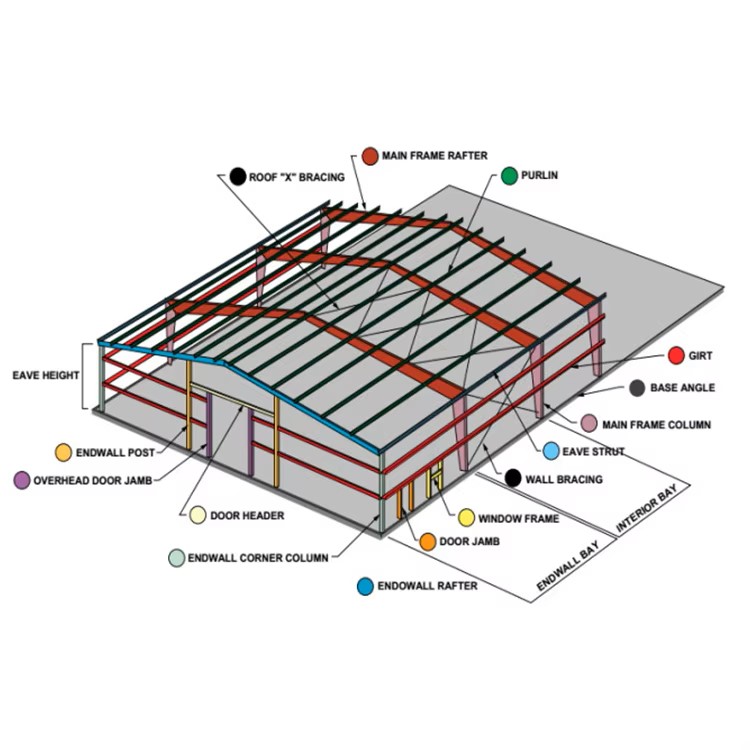
28
Mar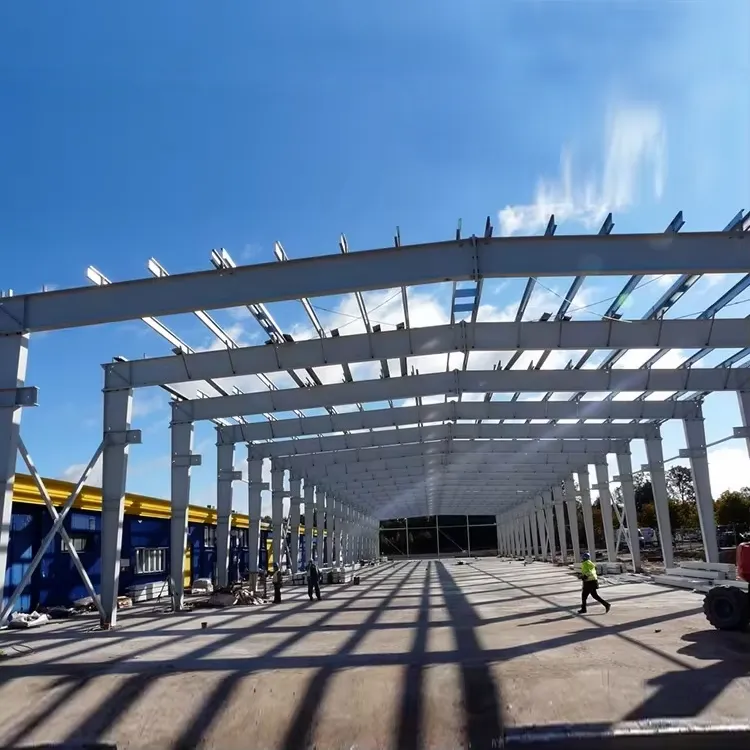
19
Apr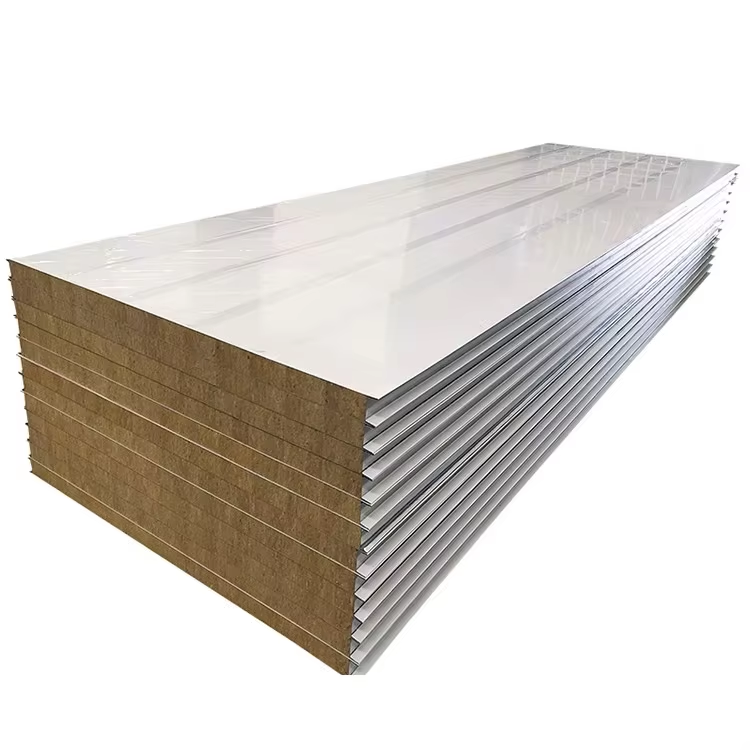
19
Apr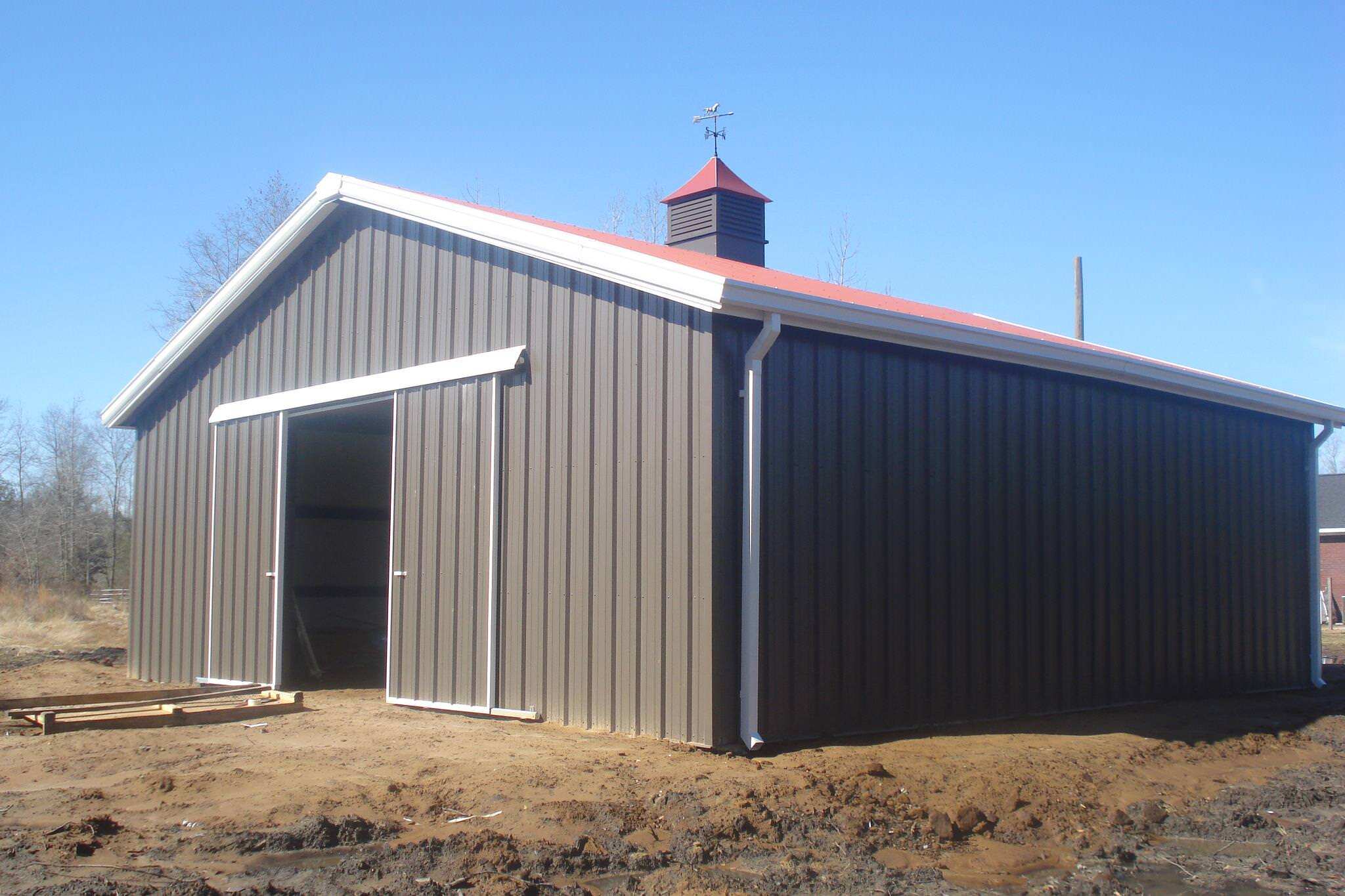
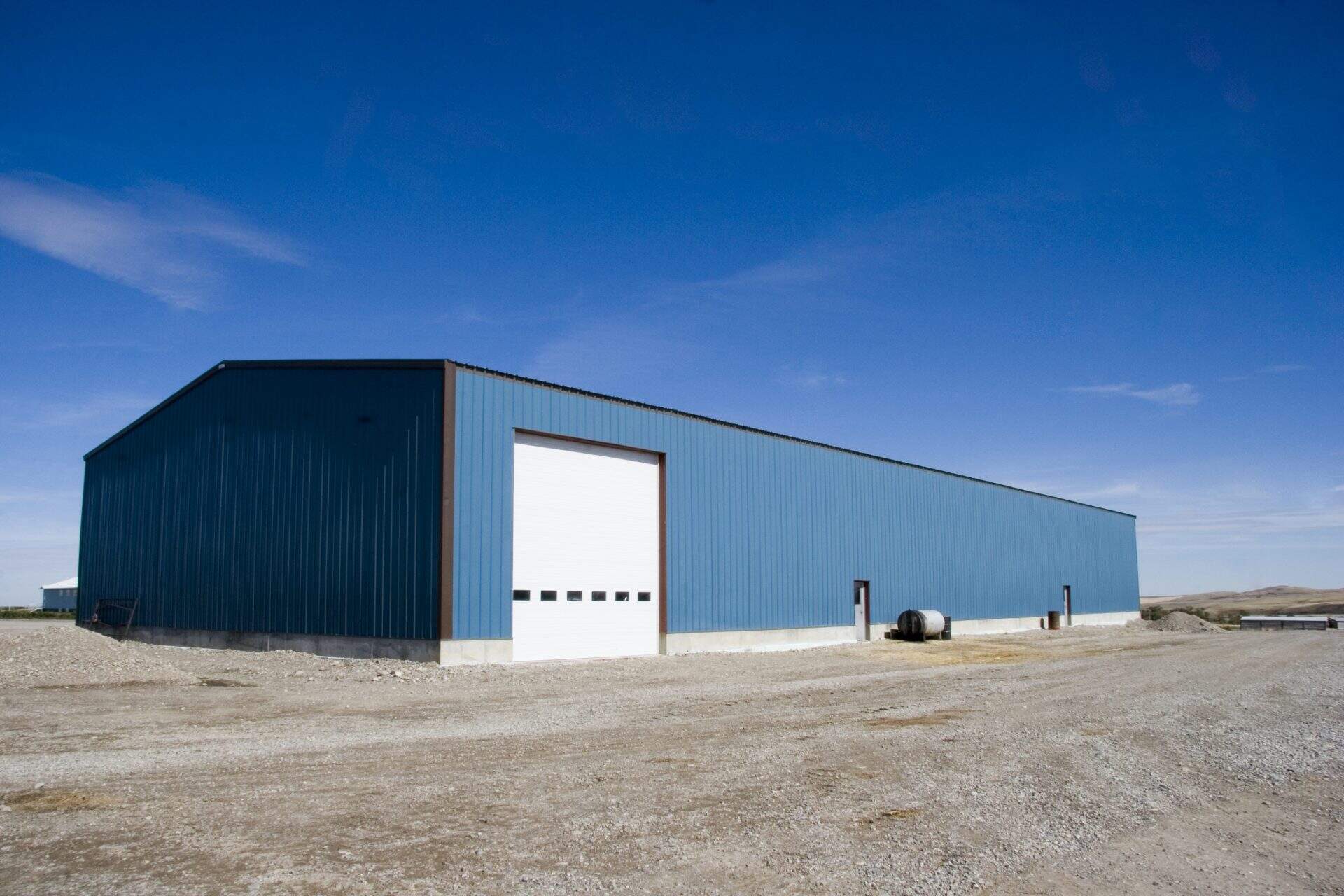
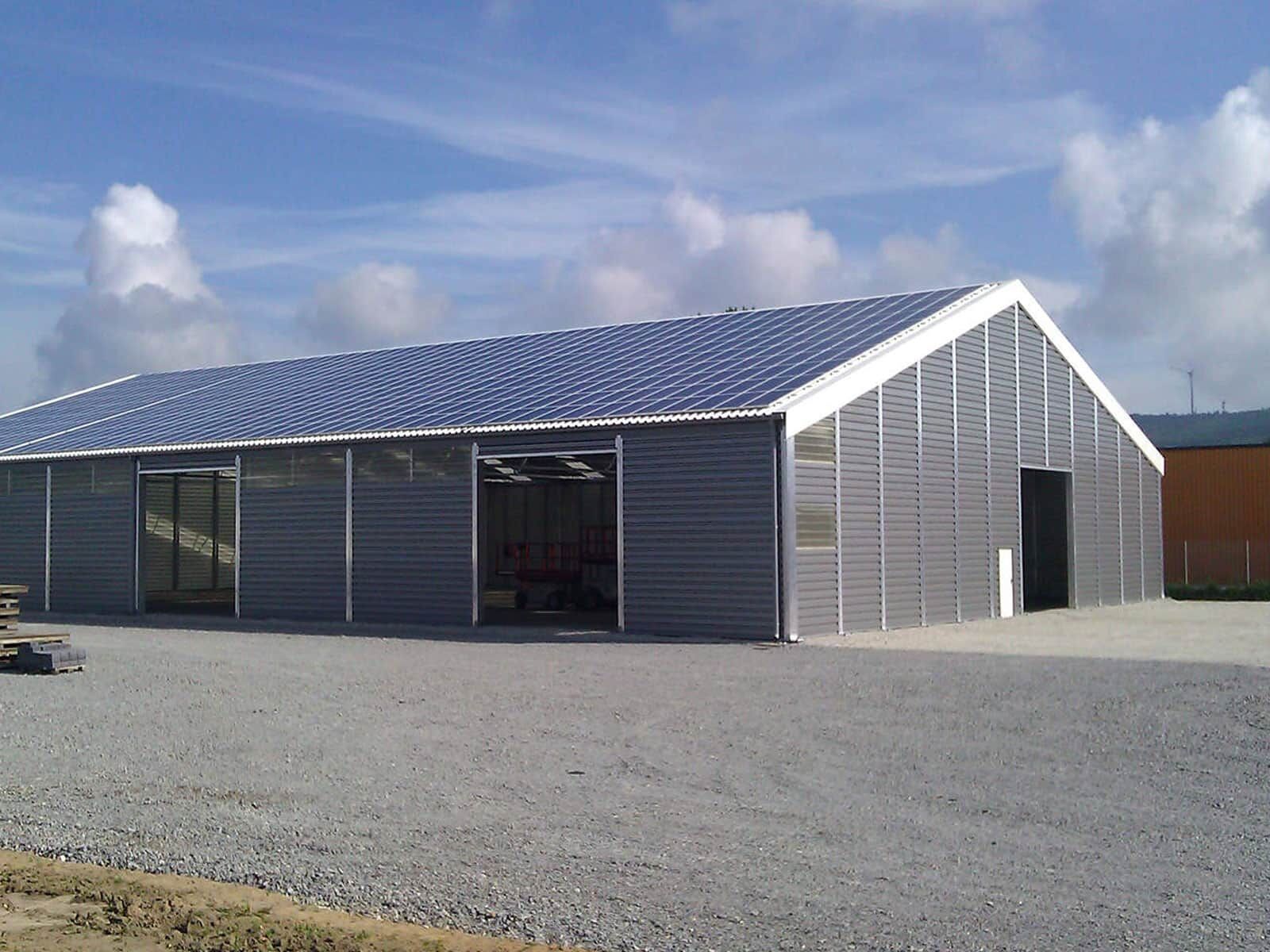

We are a steel structure processing plant in China for many years, we provide one-stop solutions, from procurement, processing, to transportation, installation and other links can be solved for you.