EN
EN


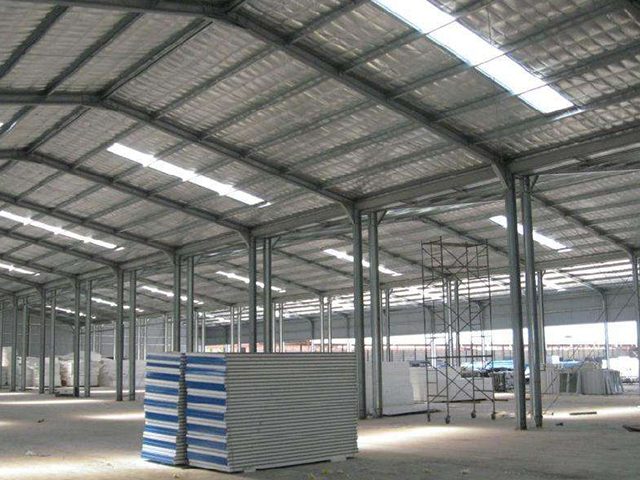
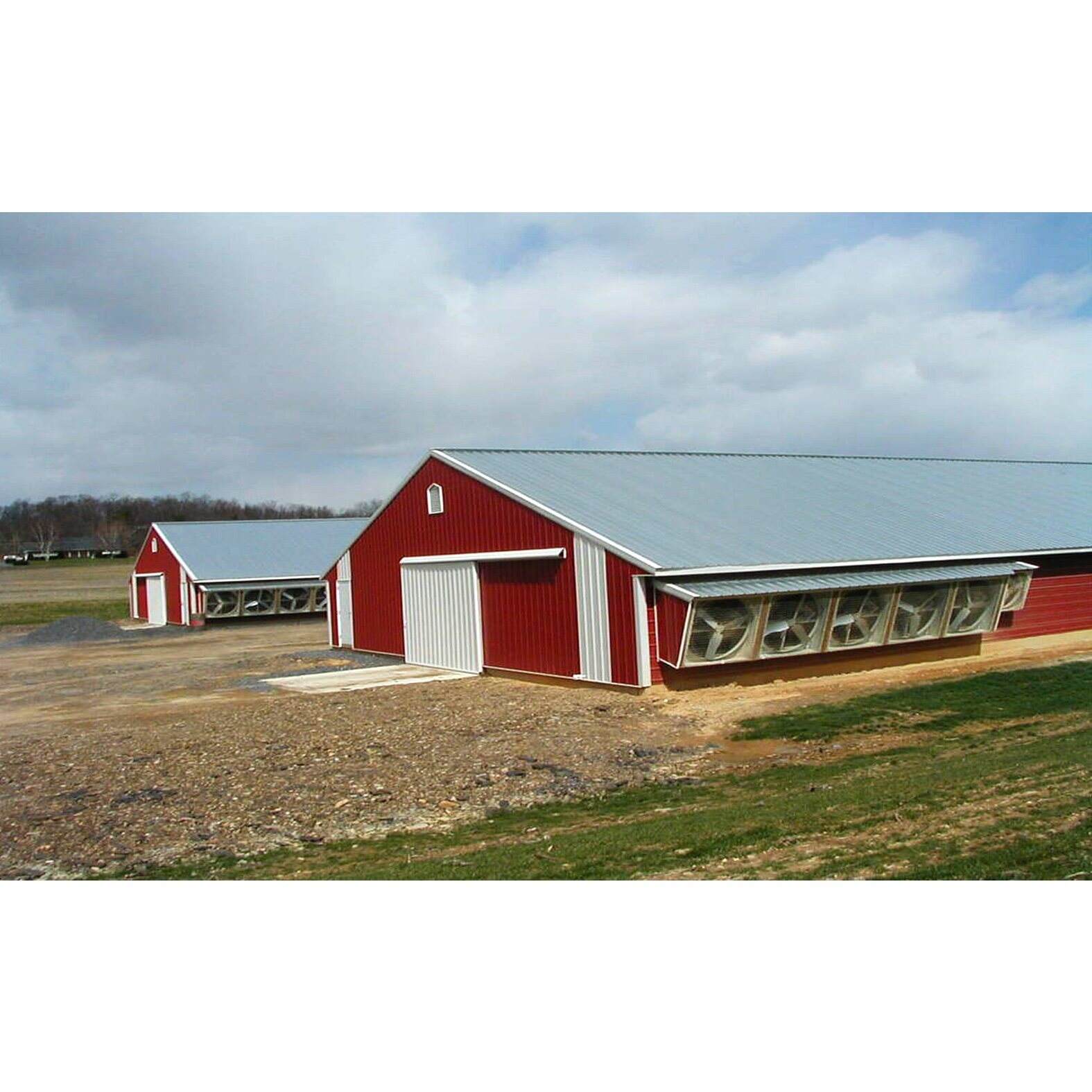
A milking parlor connected cow shed is an integrated livestock facility that links cattle housing directly to the milking parlor, streamlining the milking process, reducing stress on cattle, and improving operational efficiency for dairy farms. This design eliminates the need to transport cattle long distances between their living quarters and the milking area, saving time and minimizing animal agitation. The connection is typically a covered walkway or a direct passageway that allows cows to move freely between the two areas, often following a consistent daily routine that reduces stress through familiarity. The cow shed portion is designed to provide comfortable resting areas, feeding stations, and water access, with layouts that group cows by lactation stage, age, or milk production to facilitate targeted care. Flooring is often non slip to prevent injuries, and stalls are sized appropriately to allow cows to stand, lie down, and move comfortably. The milking parlor, connected via the passageway, is equipped with milking equipment, cleaning stations, and holding areas. The flow of cattle is carefully planned to ensure a smooth transition from shed to parlor: cows are moved in groups to the holding area, then into the milking stalls, and back to the shed after milking. This efficient flow reduces waiting times and increases the number of cows that can be milked per hour. The connected design also simplifies monitoring of cattle health, as farmers can easily observe cows in both the shed and parlor, identifying signs of illness or distress early. Manure management systems are integrated throughout, with drains and channels in both the shed and parlor to collect waste, preventing contamination and maintaining hygiene. For dairy operations, this integration leads to higher milk quality, as less stressed cows produce milk with better composition, and more efficient labor use, as workers spend less time moving cattle and more time on milking and care tasks.
28
Mar
28
Mar
19
Apr
19
Apr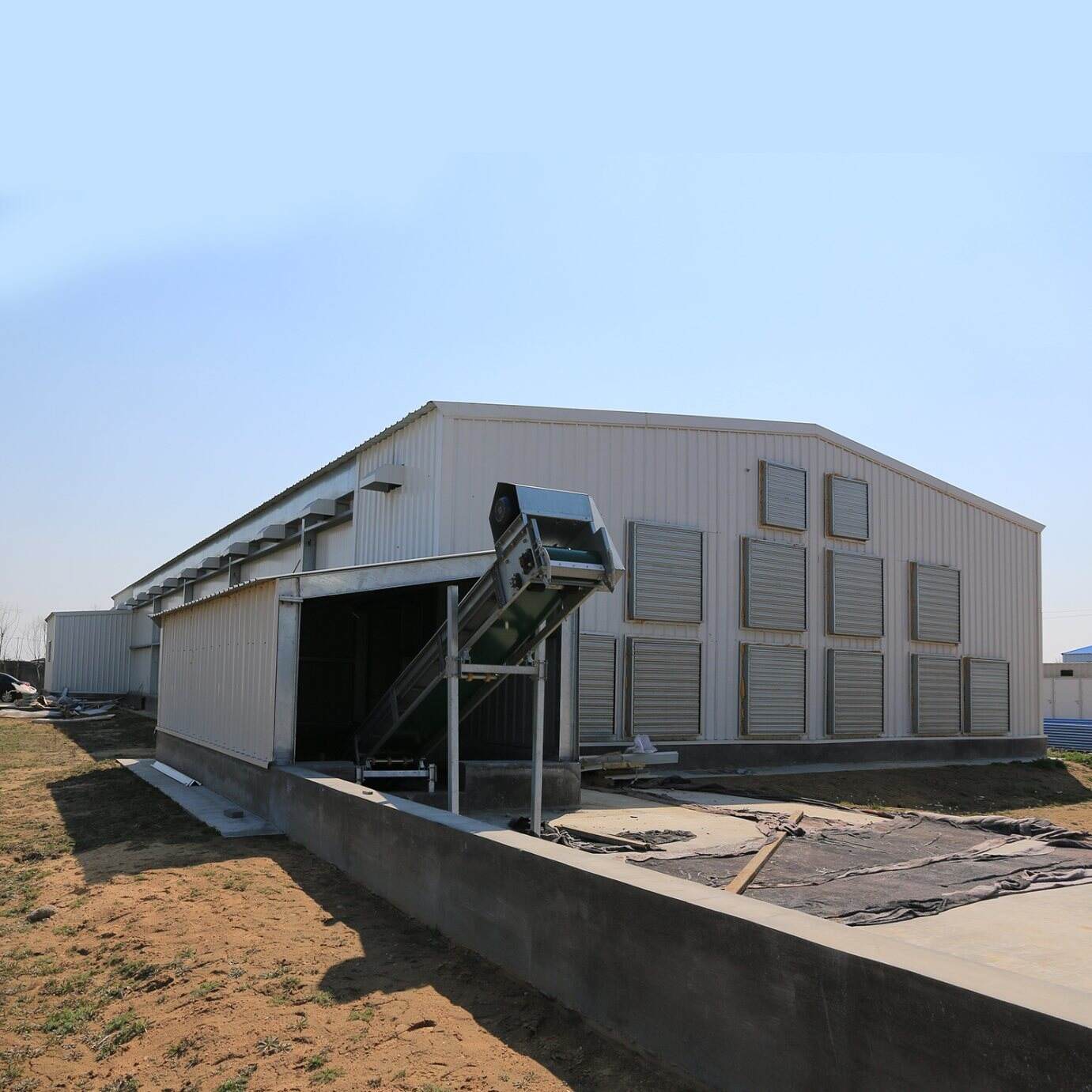
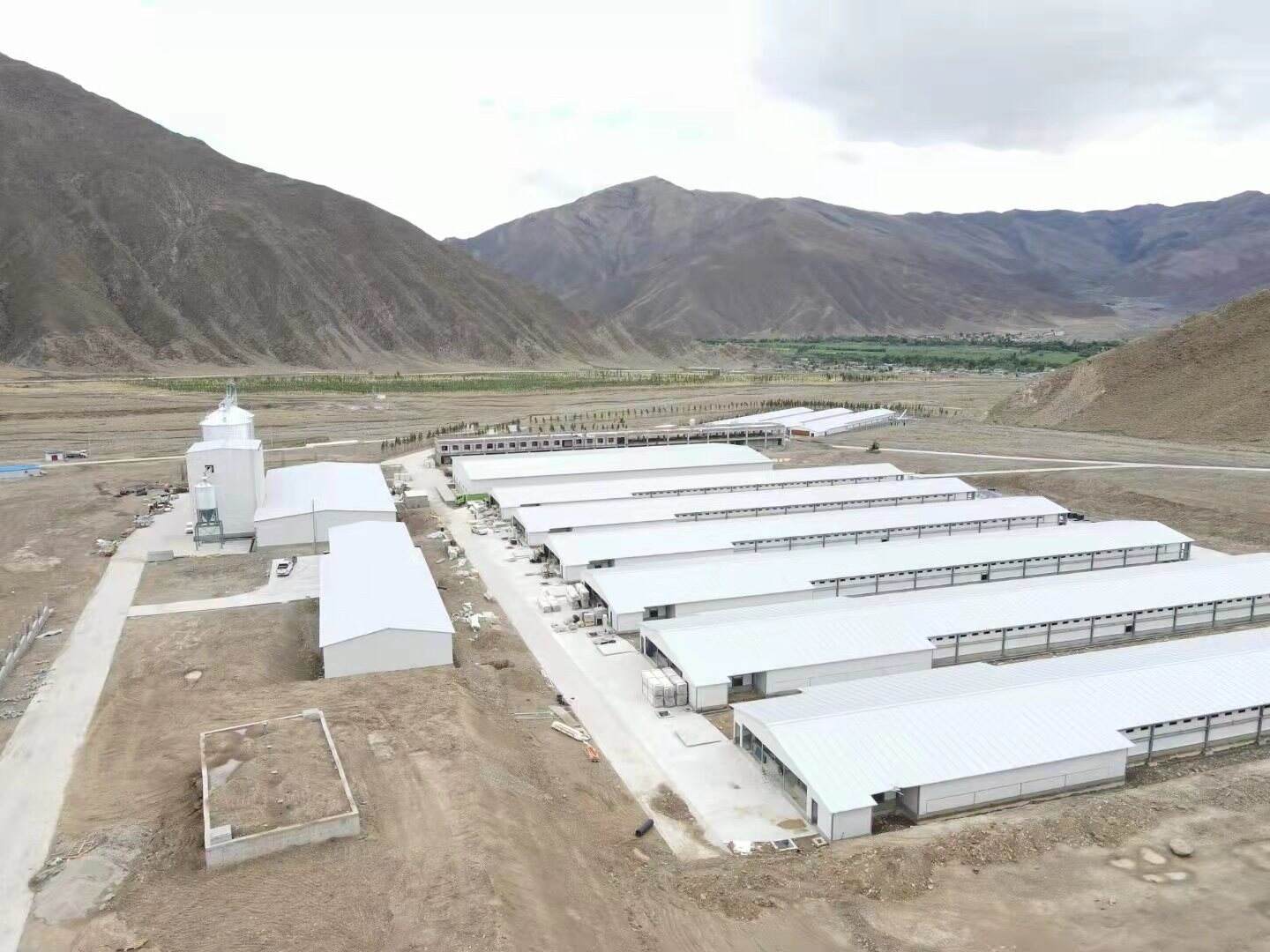

We are a steel structure processing plant in China for many years, we provide one-stop solutions, from procurement, processing, to transportation, installation and other links can be solved for you.