EN
EN



Mabilis na Pag-deploy Gamit ang Prefabricated na Sistema ng Steel Structure
Modular na Disenyo at Na-optimize na Pagkakabit sa Lokasyon
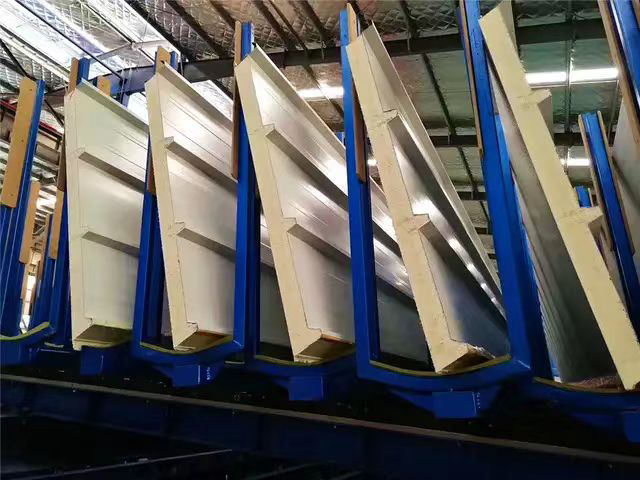
Ang mga gusaling bakal na prefab ay nagbabago sa paraan ng paggawa ng mga poultry farm, salamat sa mga modular na bahagi mula sa pabrika. Dahil ginagawa sa factory sa ilalim ng kontroladong kondisyon, ang karaniwang mga bahagi tulad ng haligi, girder, at panel ng dingding ay dumadating na handa nang i-secure gamit ang turnilyo. Wala nang paghihintay dahil sa masamang panahon o problema sa sukat habang nagtatayo. Ang oras ng paggawa ay nababawasan ng humigit-kumulang 30 hanggang 50 porsyento kumpara sa tradisyonal na pamamaraan. Napakasimple ng pag-install kaya kahit regular na manggagawa ay kayang gampanan ang karamihan sa trabaho nang walang espesyal na kasanayan o mahal na kagamitan. Bukod dito, dahil modular ang lahat, ang pagpapalawig sa hinaharap ay napakadali. Maaaring idagdag ng mga magsasaka ang bagong silid-paaralan o sektor ng automation nang hindi kinakailangang sirain ang anumang bahagi. Huwag din mag-alala sa lakas ng istruktura dahil matibay na pinagsasama ang mga engineered joint habang mas mabilis pa ang pagkumpleto ng proyekto.
Pagtitipid sa Gawa at Oras kumpara sa mga Alternatibong Semento o Kahoy
Ang mga bakal na prefab ay mas mabilis kumpara sa kongkreto at kahoy pagdating sa pagpapabilis ng mga proyekto at paggamit ng mas kaunting manggagawa. Sa mga gusaling kongkreto, ang mga kawani ay gumugugol ng mahabang oras sa pag-aayos ng mga porma at paghihintay upang maayos na matuyo ang lahat. Bukod pa rito, kailangan nila ng humigit-kumulang 40 porsiyento pang manggagawa sa lugar para sa mga bar na nagpapatibay at mga huling palamuti. Ang mga frame na kahoy naman ay isa pang problema. Ang lahat ng pagputol, pagtrato sa tabla, at paghinihintay na matuyo ay tumatagal nang matagal, at kung may ulan man lang habang nagtatayo, ang buong iskedyul ay naaabala. Naiiba naman ang bakal. Habang abala ang grupo sa pundasyon sa pagbubungkal ng mga butas at pagpupuno ng kongkreto sa lugar, ang mga bahagi ng bakal ay ginagawa na sa mga pabrika nang maraming milya ang layo. Para sa mga farm na katamtaman ang sukat, nangangahulugan ito na maisisilid ang batalan o gusali para sa imbakan nang ilang buwan nang maaga kung minsan. Mas kaunting tao ang kailangan sa lugar, kaya bumababa ang gastos sa trabaho, bumababa rin ang aksidente sa lugar ng trabaho, at bumababa din ang mga rate ng insurance. Gusto ng mga magsasaka ito dahil imbes na ubusin ang lahat ng kanilang ipon sa mga pagkaantala sa paggawa, maaari nilang i-invest ang pera sa mas mahusay na sistema ng bentilasyon o automated feeding equipment na talagang kumikita para sa negosyo sa mahabang panahon.
Higit na Mahusay na Istrukturang Integridad at Tibay sa Kapaligiran
Pagganap sa Ihip ng Hangin, Niyebe, at Pag-ulan (Disenyo ng Estrikturang Bakal na Sumusunod sa ASCE 7-22)
Ang mga gusaling poultri na gawa sa bakal ay itinatayo ayon sa pinakabagong ASCE 7-22 na gabay, kaya't lubhang matibay laban sa masamang panahon. Kayang-taya ng mga istrukturang ito ang hangin na umaabot sa mahigit 150 milya kada oras, isang mahalagang aspeto lalo na sa mga lugar kung saan regular na dumaraan ang bagyo. Bukod dito, kayang suportahan nila ang bigat ng niyebe na mahigit 40 pounds bawat square foot, kaya't nananatiling matibay kahit taglamig. Ang dahilan kung bakit mainam ang bakal ay dahil sa napakahusay nitong lakas kumpara sa timbang nito. Nakakatulong ito upang hindi bumagsak ang bubong sa ilalim ng mabigat na ulan. Kasama rin dito ang mga built-in na sistema ng pag-alis ng tubig na kayang tumanggap ng mahigit anim na pulgada ng ulan sa bawat oras. Mas kaunti ang mga reklamo sa insurance dahil sa masamang panahon ang naitatala ng mga magsasaka gamit ang mga gusaling bakal kumpara sa tradisyonal na gawa sa kahoy, na nagbubunga ng pagbawas sa gastos ng mga 32%, batay sa kamakailang ulat sa kaligtasan sa bukid. Huwag din kalimutan ang mga lindol. Hindi mabrittle ang bakal tulad ng kongkreto, kaya't kapag may panginginig, ang materyal ay yumuyuko imbes na magpunit-punit, na nagpapanatili ng kabuuan ng gusali at ligtas ang mga ibon sa lahat ng panahon.
Matagalang Proteksyon Laban sa Korosyon sa pamamagitan ng Hot-Dip Galvanization at Premium na Patong
Ang mga kulungan para sa manok ay kilalang-mahirap para sa mga istrukturang metal dahil sa sobrang kahalumigmigan at amonya na nakapaligid. Kaya ang karamihan sa modernong mga pre-nakagawang gusali ay dinadalan muna ng hot dip galvanization, na naglalapat ng humigit-kumulang 3.9 ounces na sinka bawat square foot na nagbibigay ng proteksyon laban sa kalawang nang mga limampung taon. Bukod sa pangunahing proteksyon, may patin ng polyurethane pa na mas lumalaban sa matitinding sangkap na naroroon sa mga pasilidad—tulad ng usok ng amonya, mataas na kahalumigmigan, at malalakas na gamot-panglinis na regular na ginagamit. Ang pagsasama ng dalawa ay binabawasan ang dalas ng pagkukumpuni, na nagtitipid ng humigit-kumulang 45% sa gastos sa pagpapanatili kumpara sa karaniwang bakal na walang espesyal na patin. Ang mga sistemang may patin na ito ay gumagana nang maayos anuman ang antas ng kahalumigmigan, mula sa 10% hanggang sa lubusang satura (100%). Ayon sa pamantayan ng USDA para sa mga gusaling pangbukid, ang ganitong uri ng proteksyon laban sa korosyon ay talagang nagpapahaba sa buhay ng mga istrukturang ito nang mahigit sa 70 taon sa maraming kaso, habang binabawasan ang kabuuang gastos sa buong haba ng kanilang serbisyo ng halos 30% kumpara sa tradisyonal na paraan ng paggawa.
Optimisadong Kakayahang Umangkop ng Interior at Kakayahan sa Automation
Mga Column-Free Clear Spans na Nagpapahintulot sa Mas Malawak na Automation (Pagpapakain, Ventilation, Pamamahala ng Basura)
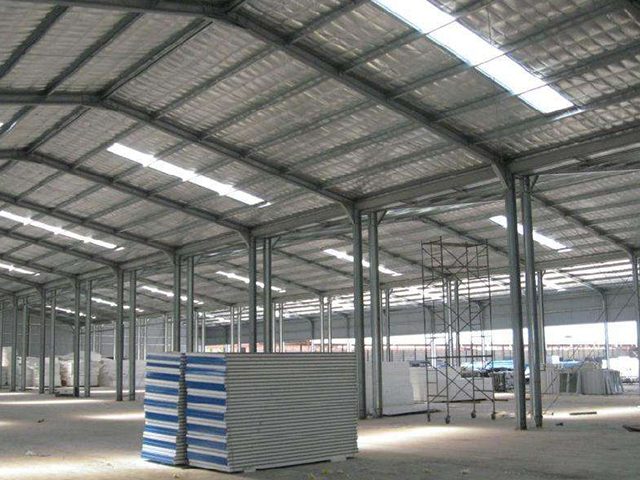
Ang mga frame na bakal ay nagbibigay-daan sa mga espasyong walang haligi na maaaring umabot hanggang sa humigit-kumulang 100 talampakan ang lapad, na nagdudulot ng ganap na bukas at mainam para sa mga automated na kagamitan. Kapag walang mga hadlang sa istruktura, ang mga automated na sistema ng pagpapakain ay malayang nakakagalaw upang pantay na ipamahagi ang patuka sa buong lugar. Mas madali rin ang paglalagay ng mga ducto para sa bentilasyon at sensor dahil maaari itong ilagay sa anumang kinakailangang posisyon para sa pinakamahusay na daloy ng hangin. Ang mga sinturon para sa pag-alis ng dumi ng hayop ay mas epektibo rin sa mga bukas na layout na ito, na pumipigil sa gawaing manu-mano ng mga dalawahang ikatlo batay sa mga pamantayan sa industriya para sa mga poultry farm. Higit pa rito, ang disenyo ng gusaling ito ay nagpapadali sa pagpapalawak. Hindi kailangang sirain ng mga magsasaka ang anumang bagay sa hinaharap kapag nais nilang magdagdag ng higit pang mga robot para sa pagpapakain, i-upgrade ang kanilang mga sistema ng kontrol sa klima, o mag-install ng karagdagang kagamitan sa paghawak ng basura habang lumalago ang kanilang negosyo. Sa loob ng mga taon ng operasyon, ang mga pasilidad na itinayo sa paraang ito ay nakakapagtipid ng pera sa parehong gastos sa trabaho at paunang pamumuhunan, karaniwang nasa pagitan ng tatlumpung hanggang apatnaput limang porsyento depende sa paraan ng pagkakaimplementa.
Pinahusay na Kahusayan sa Enerhiya at Pinagsamang Suporta sa Biosecurity
Pagsasama ng Thermal Insulation at Synergy sa Control ng Klima sa mga Steel Structure Envelopes
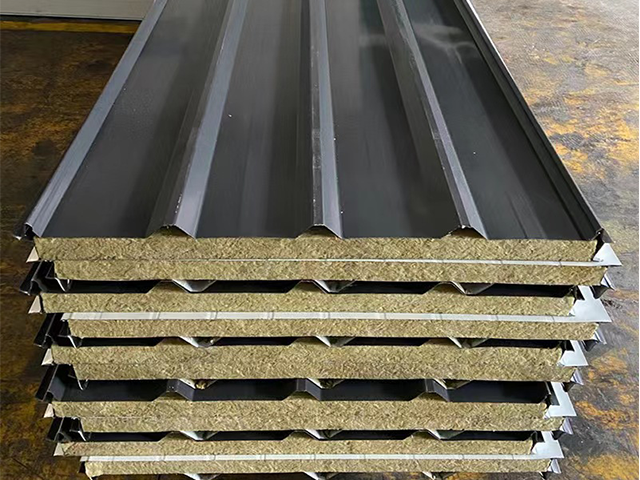
Ang mga gusaling bakal para sa manok ay nag-aalok ng mas mahusay na kahusayan sa enerhiya kapag isinasama natin ang tuluy-tuloy na pagkakainsula sa istruktura ng gusali. Kapag inilagay ng mga installer ang mataas na kakayahang materyales tulad ng spray foam o rigid panel nang walang anumang puwang, nababawasan ang mga hindi kanais-nais na thermal bridge. Ang paglipat ng init ay bumababa ng humigit-kumulang 60% kumpara sa mga lumang istilo ng gusali. Ang masiglang selyo ay nagpapahusay din ng higit na eksaktong kontrol sa klima. Ang mga sistema ng HVAC ay hindi kailangang masyadong magtrabaho upang mapanatili ang tamang temperatura at antas ng kahalumigmigan, na nag-iipon ng enerhiya sa paglipas ng panahon. Isa pang malaking plus ay ang biosecurity. Ang mga istrukturang bakal ay lumilikha ng mga ibabaw na hindi porous at masisiglang mga kasukatan na humihinto sa pagtitipon ng kahalumigmigan at pagpasok ng mga pathogen sa mga lugar kung saan hindi nila nararapat. Ang lahat ng mga salik na ito ay nagbubunga ng mas kaunting thermal stress para sa mga ibon. Ang mga magsasaka ay nag-uulat ng pagpapabuti ng feed conversion ratio ng 12 hanggang 15% matapos lumipat sa mga modernong solusyon sa pabahay batay sa mga bagay na napanood kamakailan sa larangan.
Bentahe sa Gastos sa Buhay: Mababang Pagpapanatili at Mas Mahaba ang Serbisyo sa Buhay
Ang mga poultri na itinayo gamit ang bakal na frame ay nakapag-iipon ng pera sa paglipas ng panahon dahil mas matibay at hindi kailangang palitan nang madalas. Ang mga gusaling ito ay lumalaban nang maayos sa kalawang, pagkabulok, at mga peste, kaya hindi nag-aalala ang mga magsasaka tungkol sa palitan ng mga haligi o pader tuwing ilang taon. Kapag ginamitan ng hot dip galvanizing at karagdagang protektibong patong ng mga tagagawa, ang mga istruktura ay patuloy na gumaganap nang maayos kahit ilantad sa iba't ibang uri ng panahon at dumi sa bukid. Hindi tulad ng mga kahoy na batalan na lumiliko o pumuputok, o mga gusaling kongkreto na natutuklap, ang mga istrukturang bakal ay patuloy na gumagana nang walang paulit-ulit na pangangalaga. Ayon sa mga ulat ng industriya, ang paglipat sa bakal ay maaaring magbawas ng kabuuang gastos ng humigit-kumulang 30 porsiyento pagkalipas ng dalawampung taon kumpara sa iba pang opsyon sa gusali. Para sa sinumang namamahala ng operasyon sa manok na naghahanap na mapataas ang kahusayan habang pinapanatiling mababa ang gastos, ang bakal ay nananatiling matalinong pagpipilian kahit mas mataas ang paunang gastos.
Talaan ng mga Nilalaman
- Mabilis na Pag-deploy Gamit ang Prefabricated na Sistema ng Steel Structure
- Higit na Mahusay na Istrukturang Integridad at Tibay sa Kapaligiran
- Optimisadong Kakayahang Umangkop ng Interior at Kakayahan sa Automation
- Pinahusay na Kahusayan sa Enerhiya at Pinagsamang Suporta sa Biosecurity
- Bentahe sa Gastos sa Buhay: Mababang Pagpapanatili at Mas Mahaba ang Serbisyo sa Buhay