EN
EN


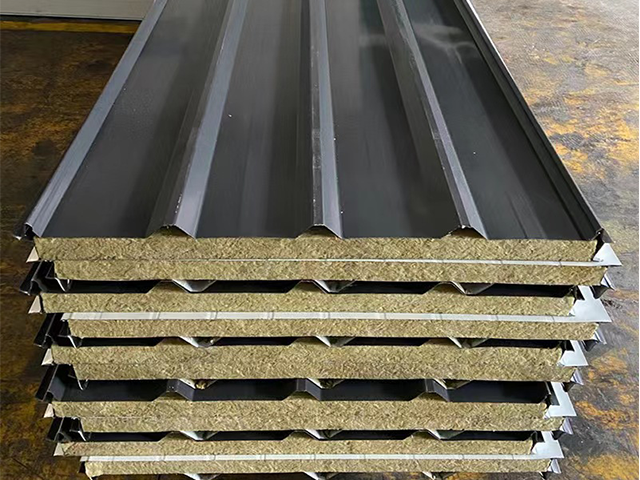
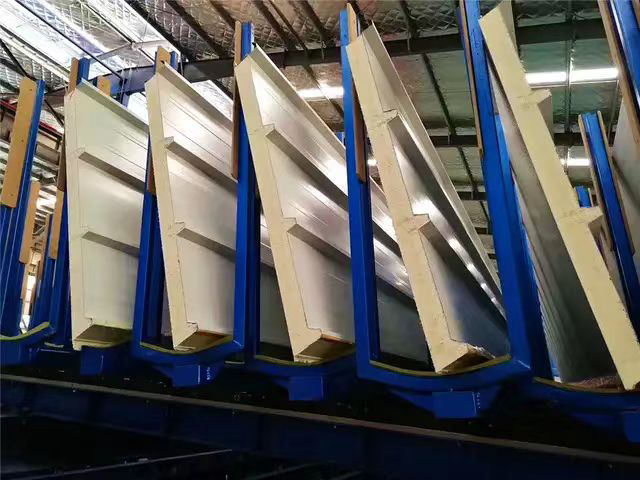
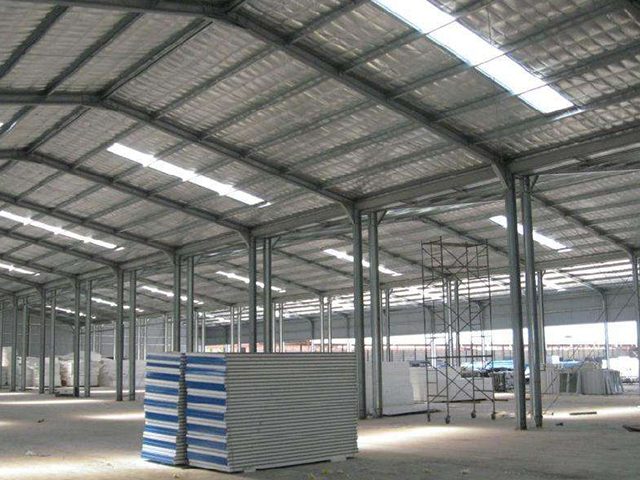
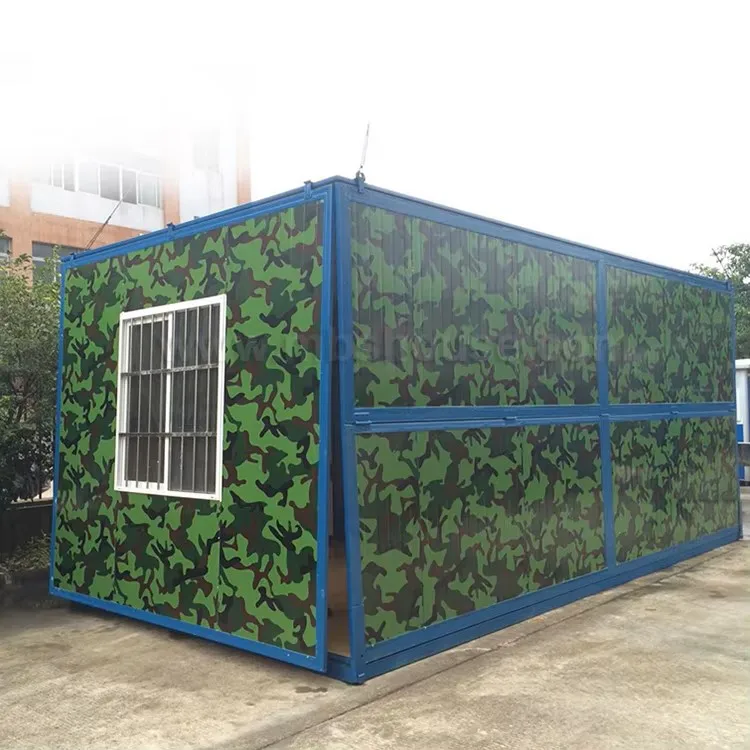
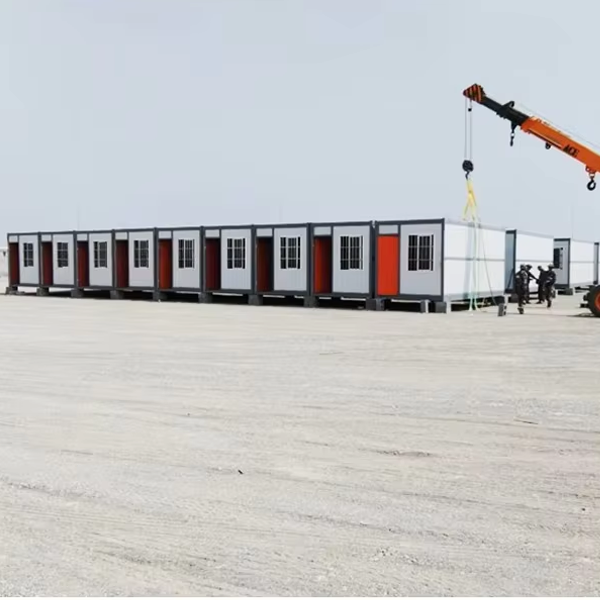
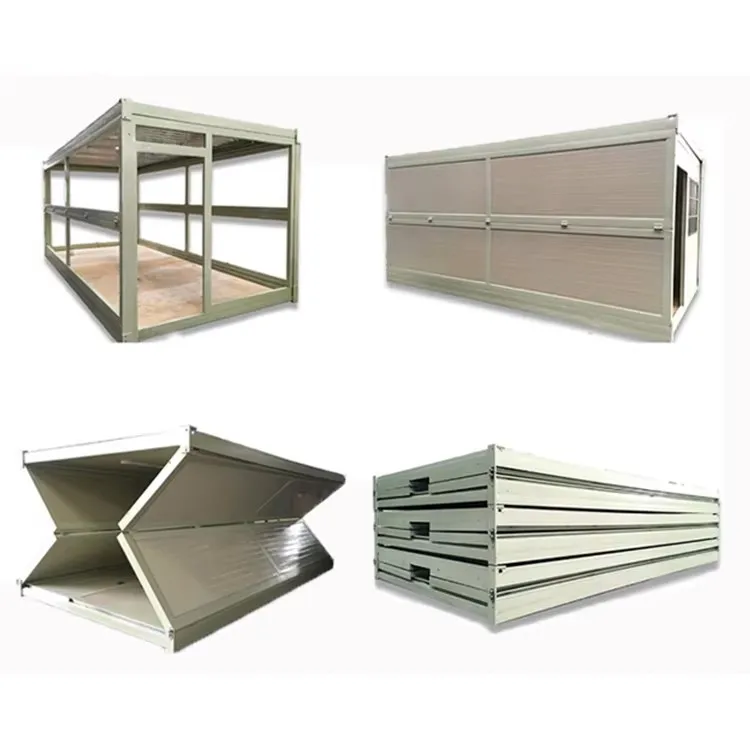
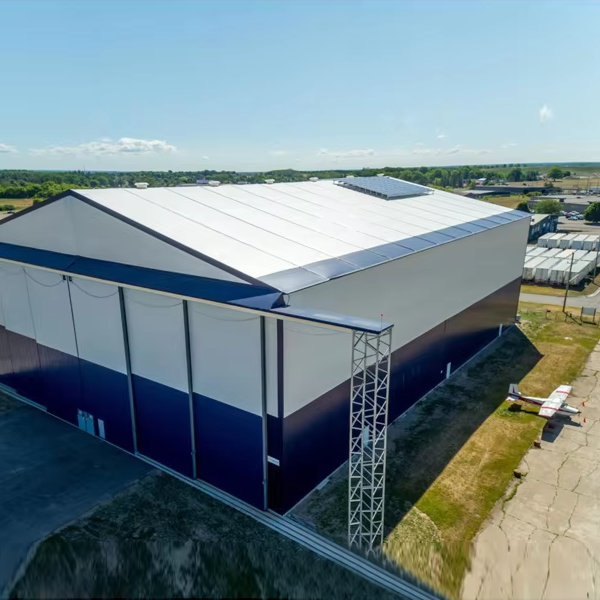
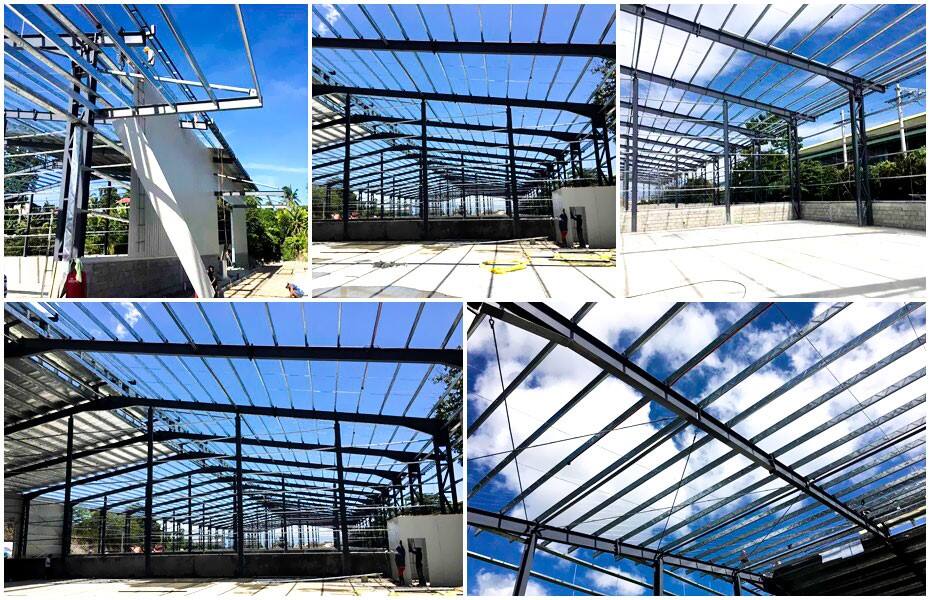
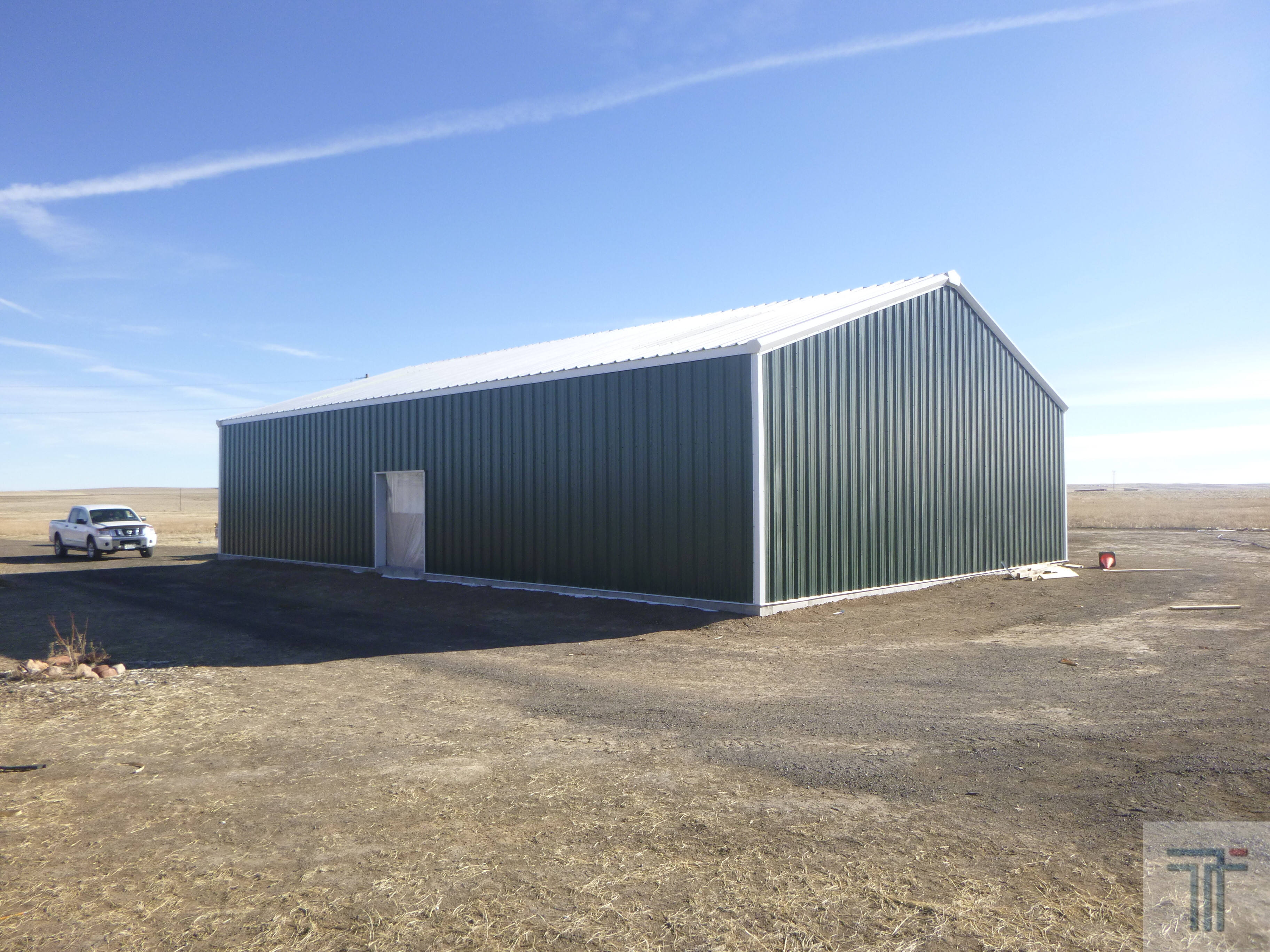
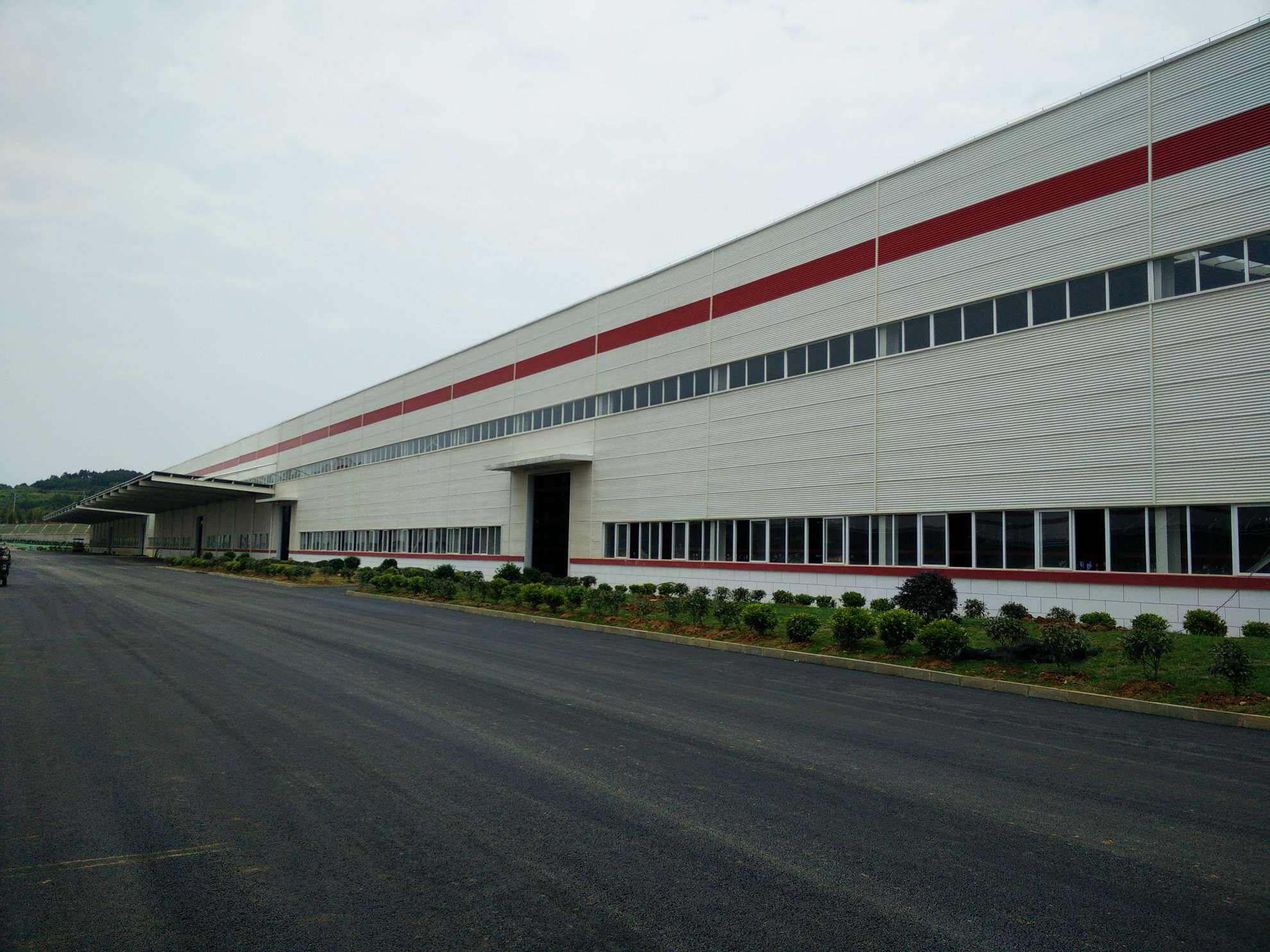
Metal building design is a specialized process that combines engineering principles, functional requirements, and aesthetic considerations to create efficient, durable structures tailored to specific needs. Unlike traditional construction, metal building design focuses on pre engineered components that are manufactured off site and assembled on site, ensuring precision, cost effectiveness, and consistency. The design process begins with defining the building’s purpose—whether for warehousing, manufacturing, agriculture, or residential use—which dictates key parameters such as size, load capacity, and interior layout. Structural engineering is central to metal building design, ensuring the frame, roof, and walls can withstand environmental loads (snow, wind, seismic activity) and internal loads (equipment, inventory). Designers select appropriate steel grades, frame configurations (clear span, modular, etc.), and panel types (insulated, corrugated) based on these requirements. Energy efficiency is also a key consideration, with options for insulation, reflective roofing, and natural ventilation integrated into the design to reduce operational costs. Aesthetic customization is another aspect of metal building design, with choices in colors, finishes, and profiles allowing the structure to align with architectural styles or brand identities. Design software and 3D modeling tools are used to optimize layouts, ensuring efficient space utilization and compliance with local building codes. The result is a building that balances functionality, durability, and cost efficiency, with designs adaptable to future modifications or expansions. Whether for a small garage or a large industrial facility, metal building design ensures the structure meets performance goals while minimizing construction time and waste.
28
Mar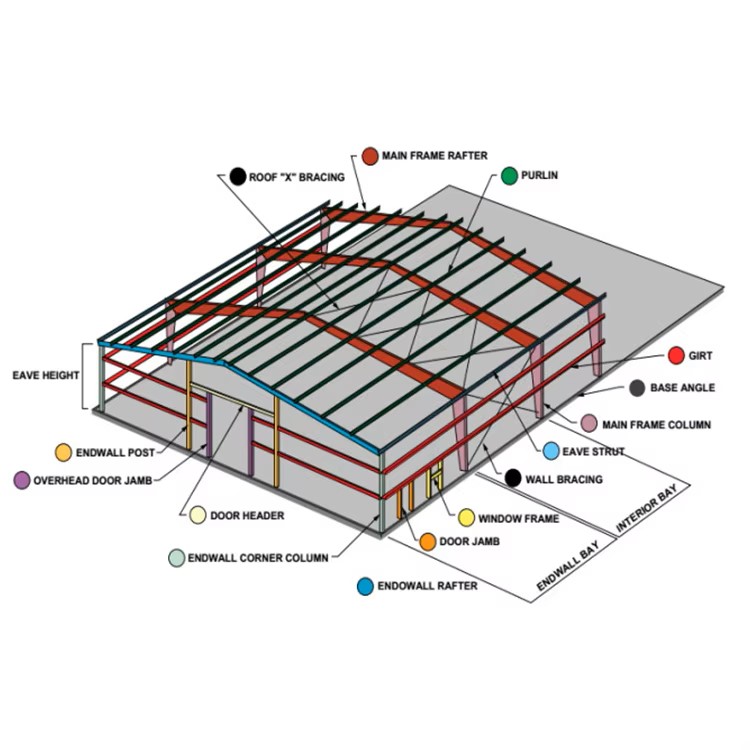
28
Mar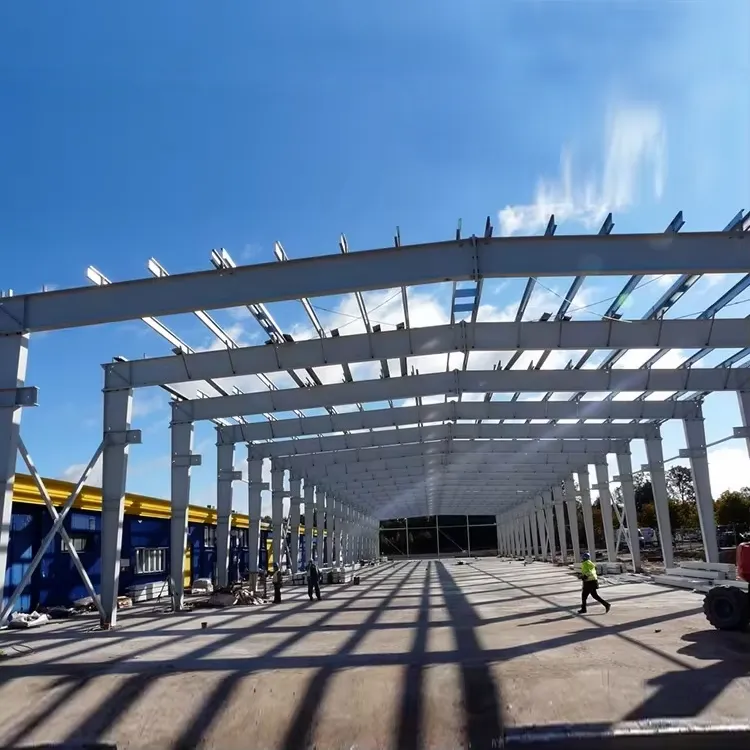
19
Apr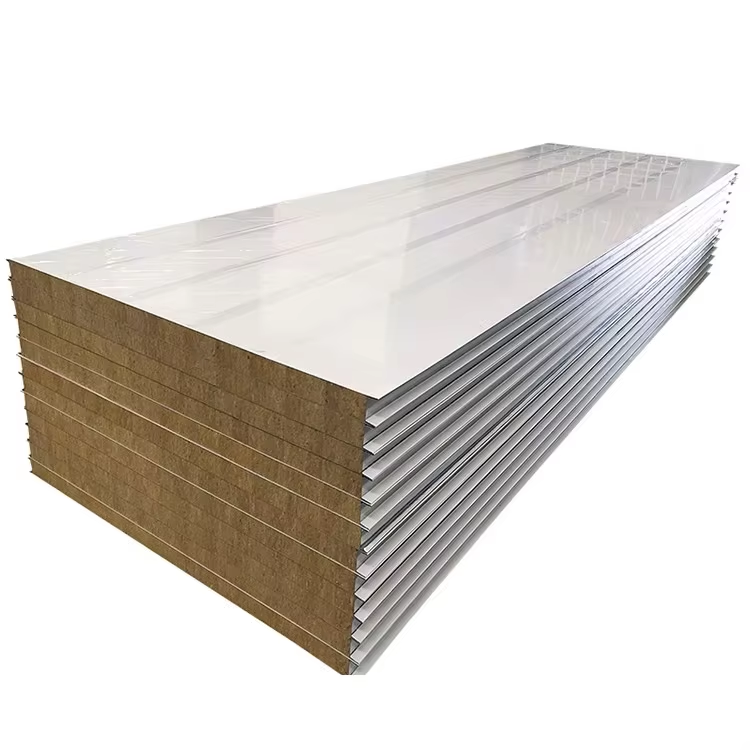
19
Apr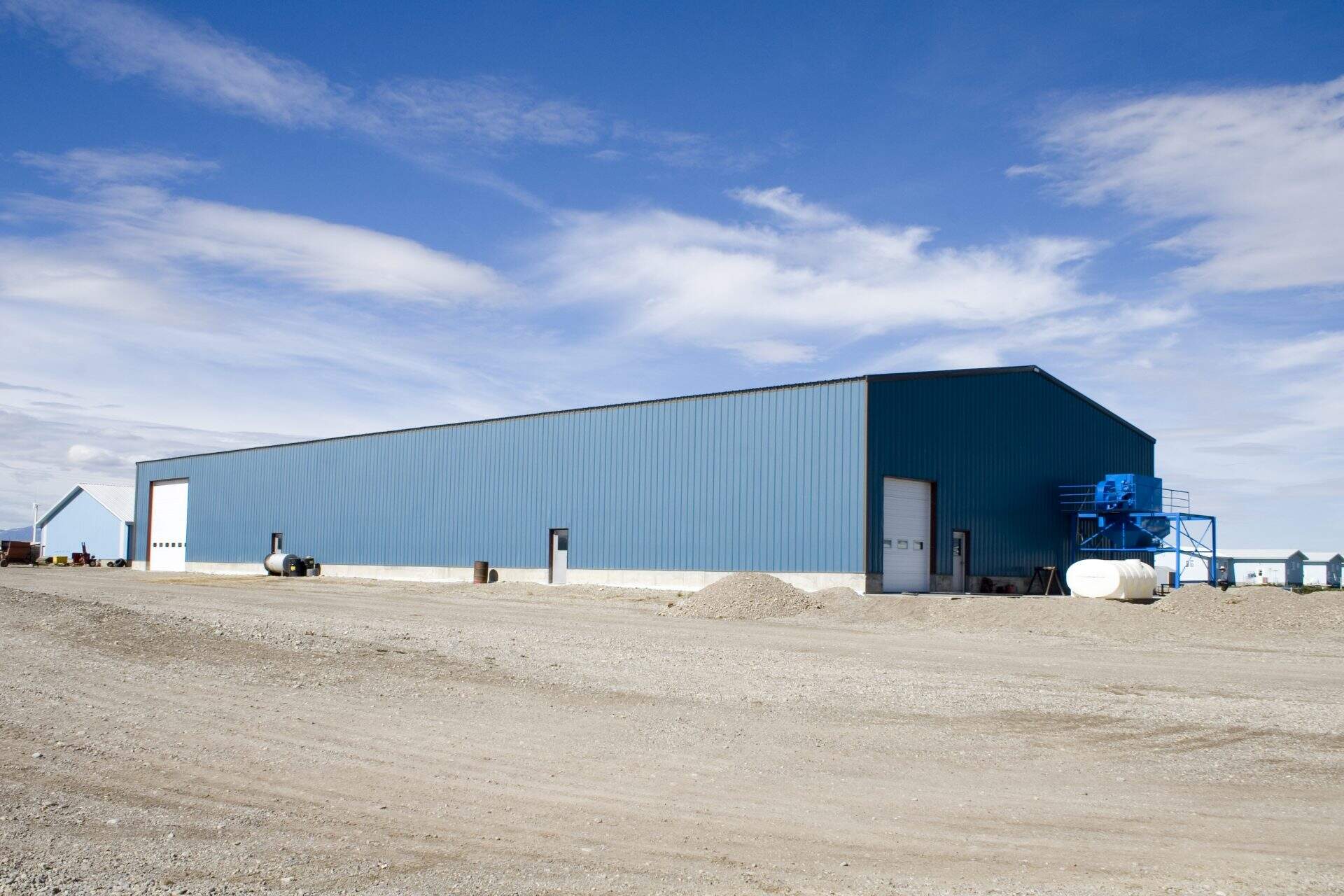

We are a steel structure processing plant in China for many years, we provide one-stop solutions, from procurement, processing, to transportation, installation and other links can be solved for you.