EN
EN


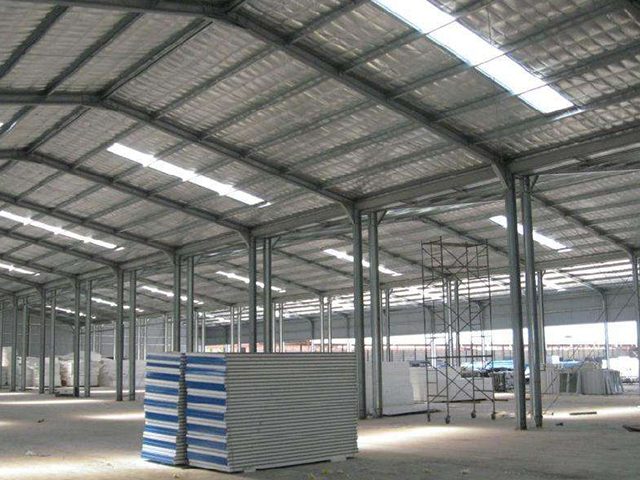
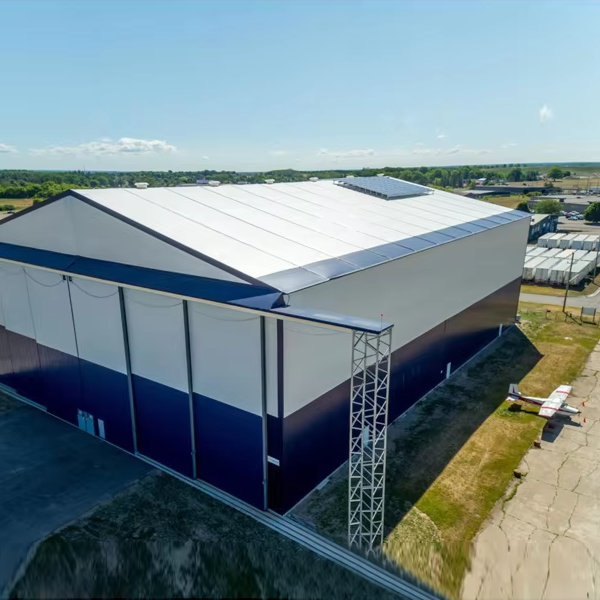
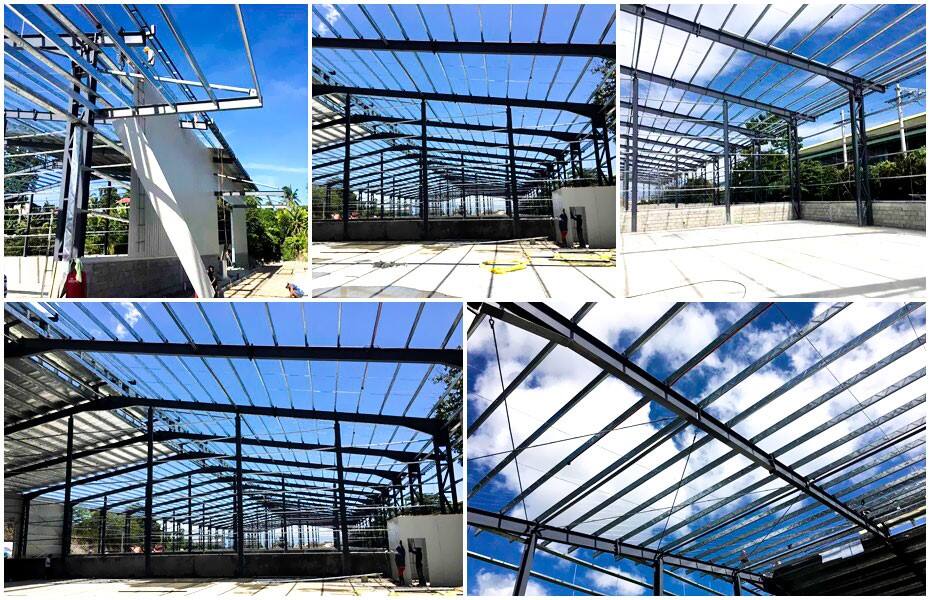
A metal building frame is the structural backbone of a metal building, providing the essential support for walls, roof, and any additional loads, ensuring stability and durability. Constructed primarily from high grade steel often galvanized to resist corrosion these frames are engineered to withstand various environmental stresses, including heavy snow loads, strong winds, and seismic activity, making them suitable for diverse geographic regions. Metal building frames are typically pre engineered, meaning they are designed and manufactured off site according to precise specifications, ensuring consistency and reducing on site construction time. Common frame designs include clear span, modular, and rigid frame systems. Clear span frames offer unobstructed interior space without supporting columns, ideal for warehouses, aircraft hangars, or large workshops. Modular frames consist of repeating sections that can be easily expanded, while rigid frames provide exceptional strength for larger structures. The fabrication process involves cutting, welding, or bolting steel components to form beams, columns, and rafters, which are then assembled on site using bolts or welding. This precision engineering ensures that the frame can support the weight of the building envelope (walls and roof), as well as any additional loads such as HVAC systems, lighting, or mezzanines. Compared to traditional wooden frames, metal building frames offer superior durability, resisting rot, pests, and fire, and requiring minimal maintenance over their lifespan often 50 years or more. Their lightweight nature reduces the foundation requirements, lowering overall construction costs. For commercial, industrial, agricultural, or residential metal buildings, the frame’s quality directly impacts the structure’s safety, longevity, and performance, making it a critical component of any metal building project.
28
Mar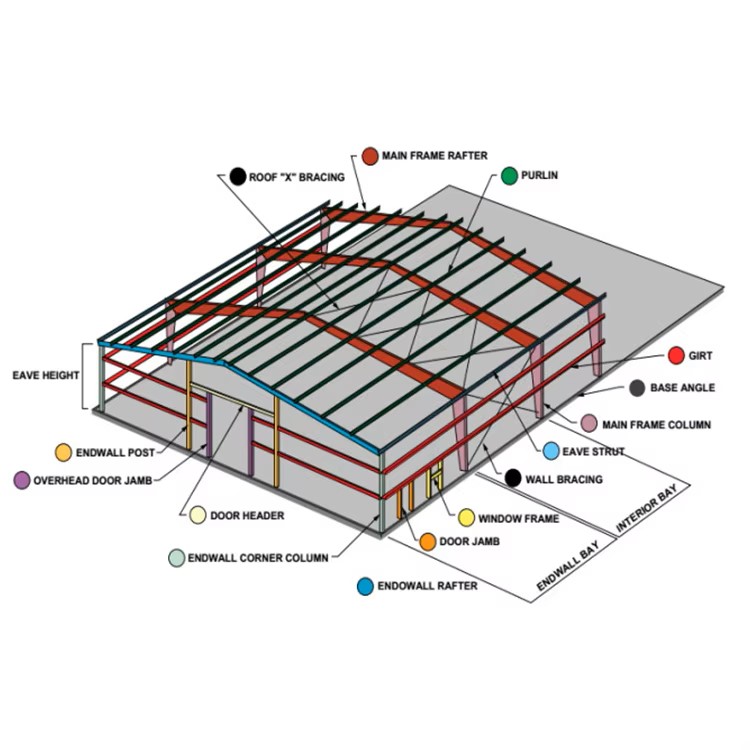
28
Mar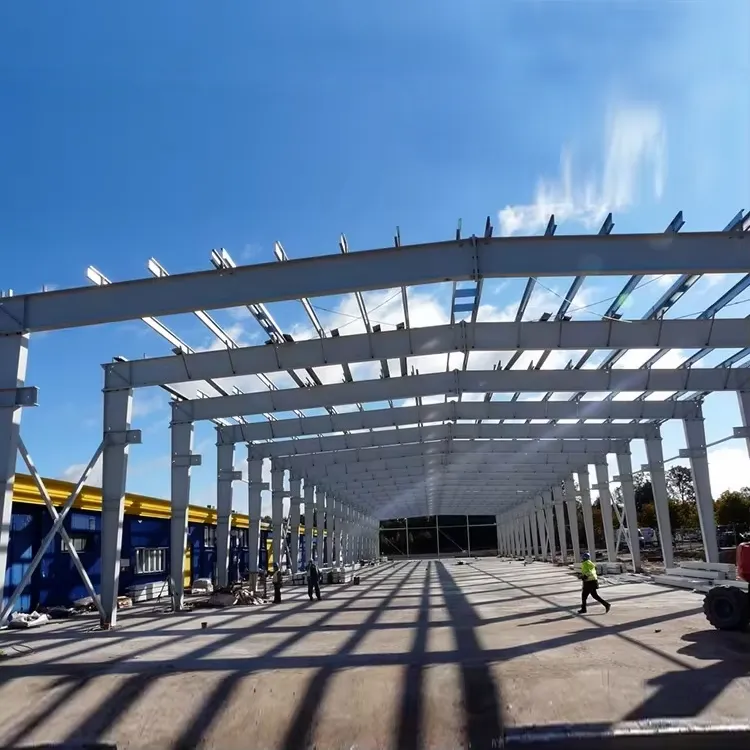
19
Apr
19
Apr
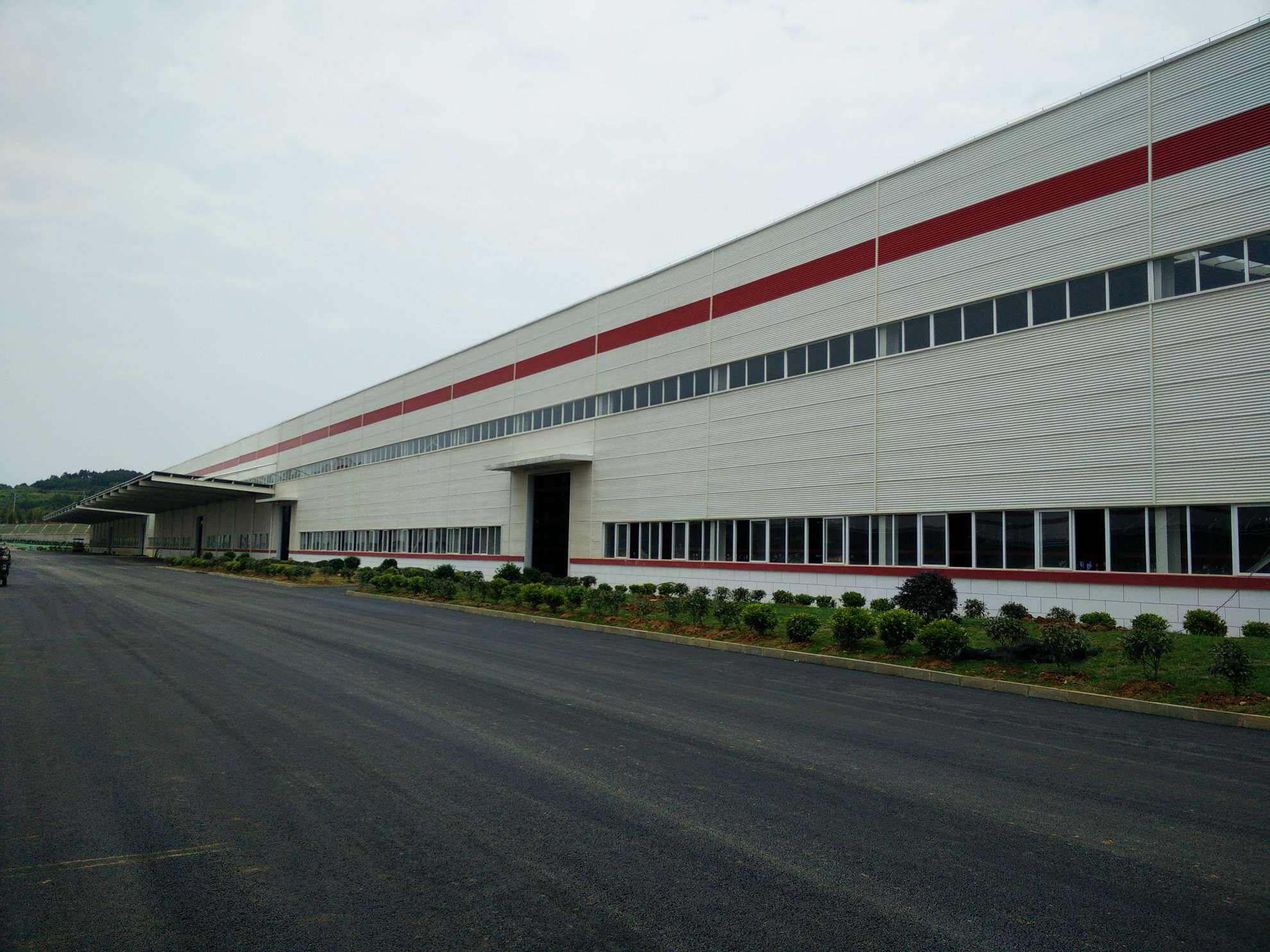
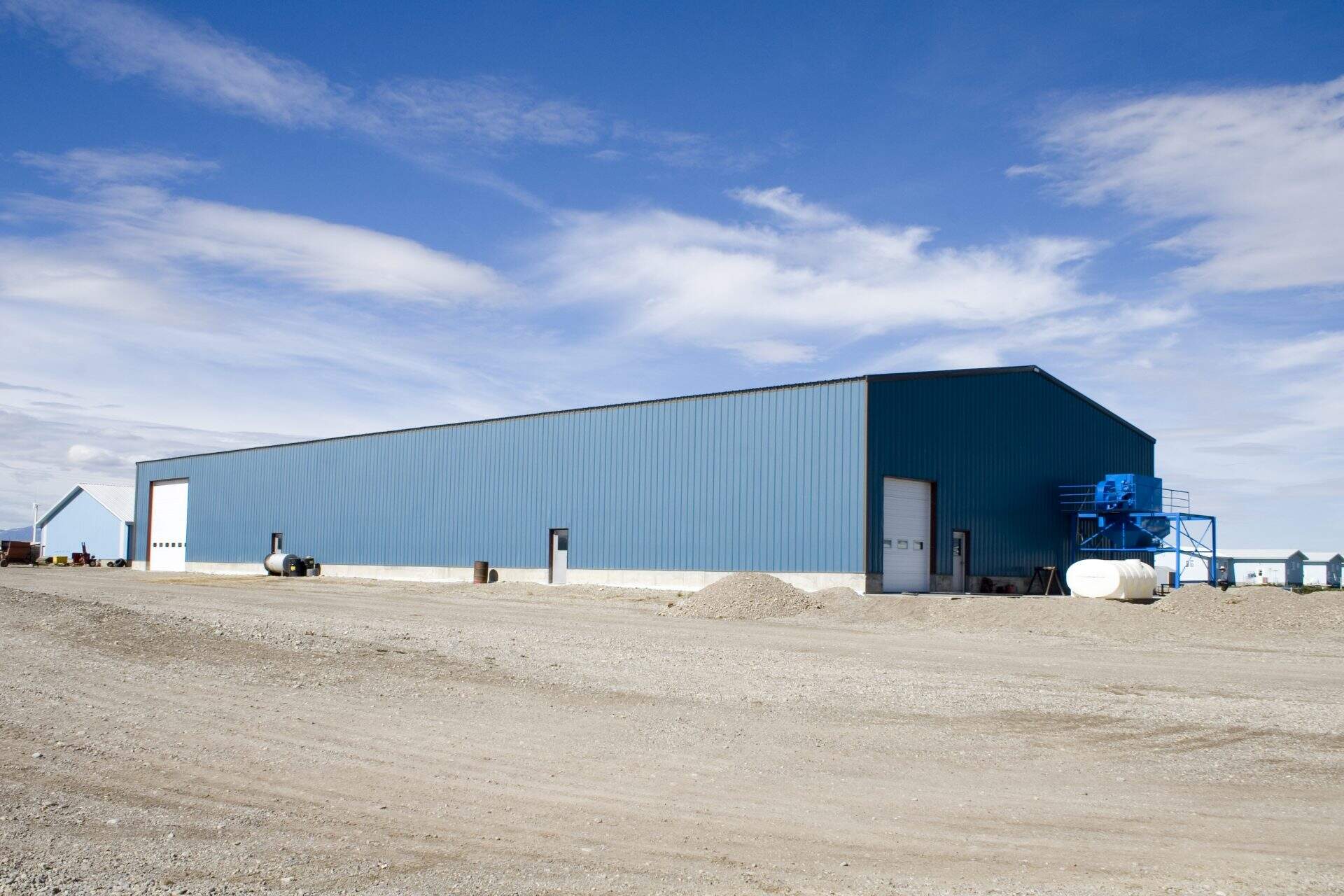

We are a steel structure processing plant in China for many years, we provide one-stop solutions, from procurement, processing, to transportation, installation and other links can be solved for you.