EN
EN


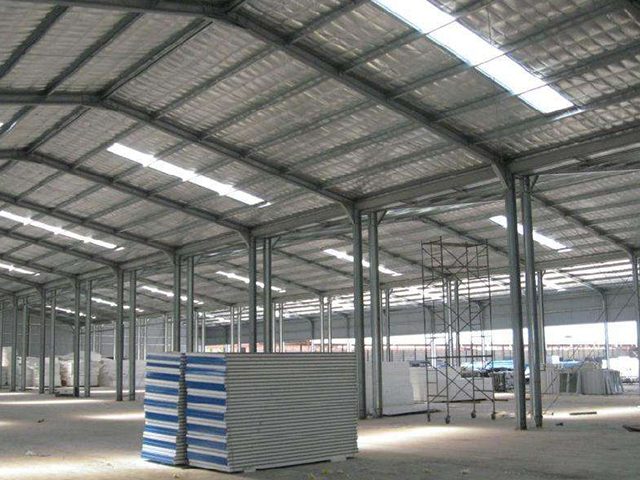
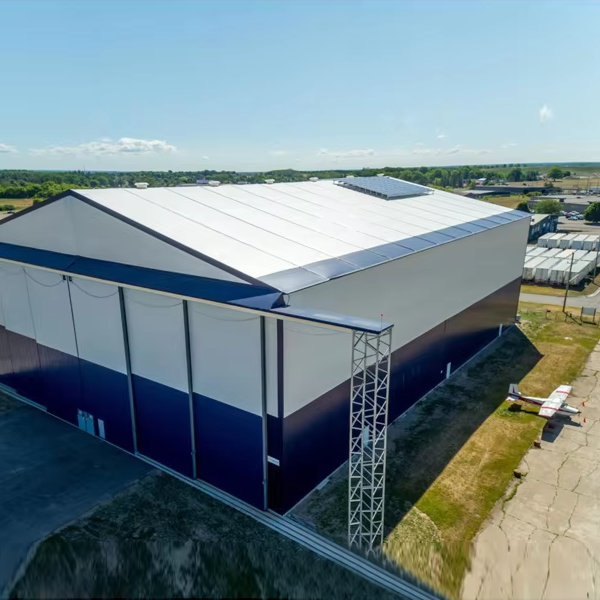
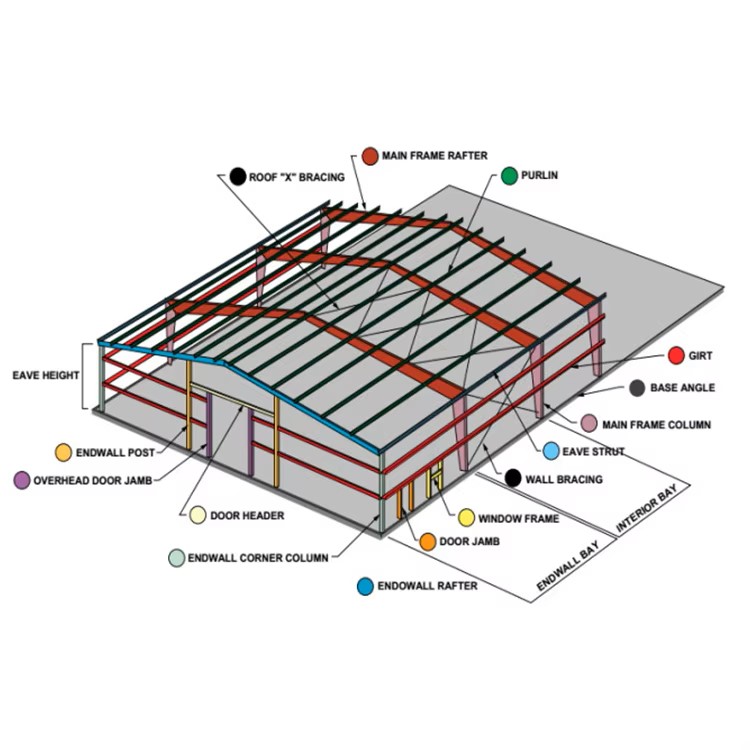
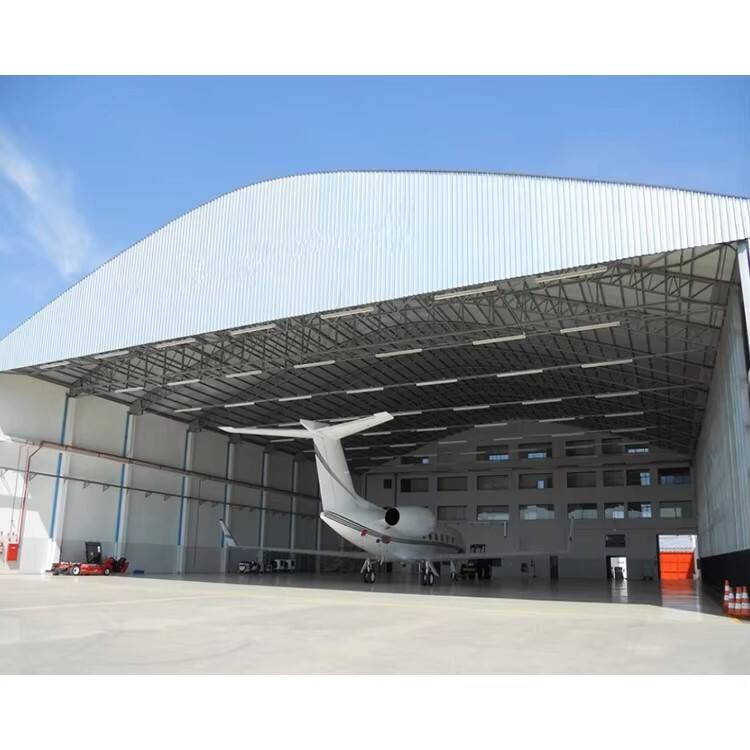
A hanger for air cargo handling is a specialized large scale metal structure designed to facilitate the efficient processing, storage, and transfer of air cargo, supporting the logistics of freight transportation. These hangars are engineered to accommodate the unique demands of cargo operations, including large door openings for aircraft access, high ceilings to accommodate loading equipment (such as cranes and forklifts), and durable flooring capable of supporting heavy cargo loads. Constructed primarily from steel, these hangars offer exceptional strength and clear span designs, ensuring unobstructed space for maneuvering cargo containers, pallets, and handling equipment. Key features of air cargo handling hangars include reinforced flooring to withstand the weight of loaded vehicles and cargo, efficient lighting systems for 24/7 operations, and climate control options for temperature sensitive cargo (such as pharmaceuticals or perishables). They often integrate loading docks, conveyor systems, and storage areas, streamlining the process of transferring cargo between aircraft, trucks, and warehouses. Structurally, these hangars are designed to withstand heavy wind loads and snow, critical for airport environments, and may include fire suppression systems and security features (access control, surveillance) to protect valuable cargo. The large, open interior layout allows for flexible workflow customization, adapting to changes in cargo volume or handling procedures. For airports and logistics companies, these hangars are essential infrastructure that ensures efficient, secure cargo processing, reducing turnaround times for aircraft and supporting global supply chains.
28
Mar
19
Apr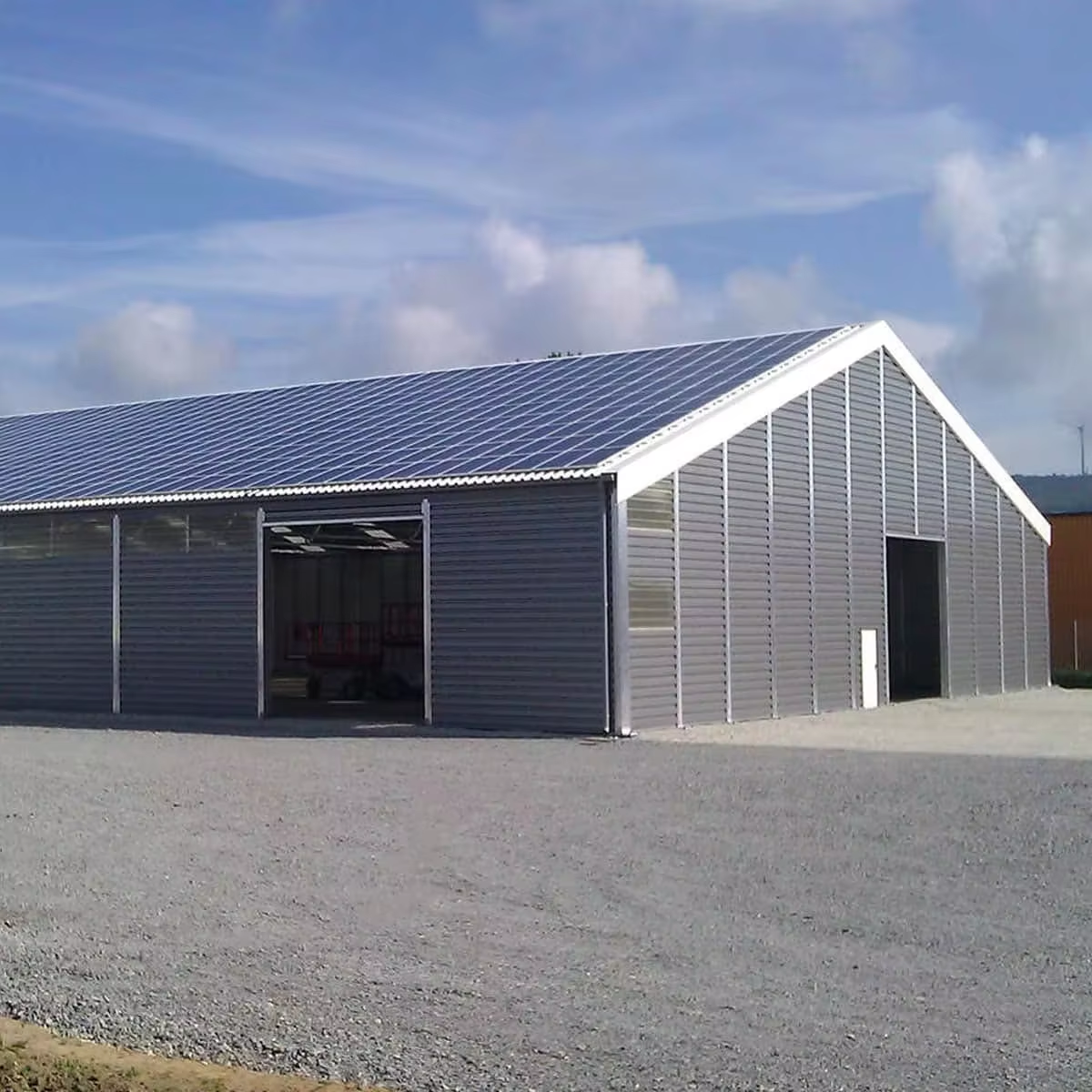
19
Apr
19
Apr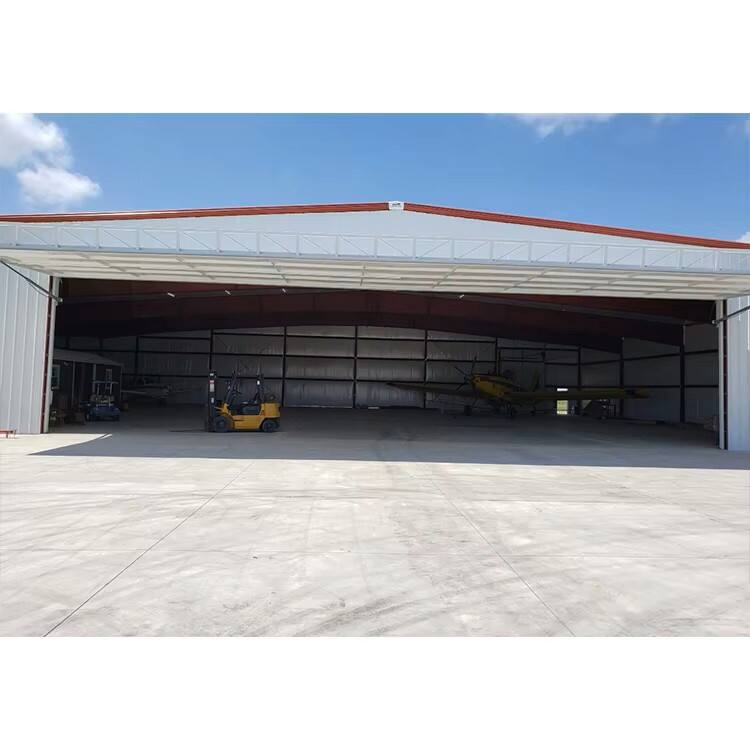
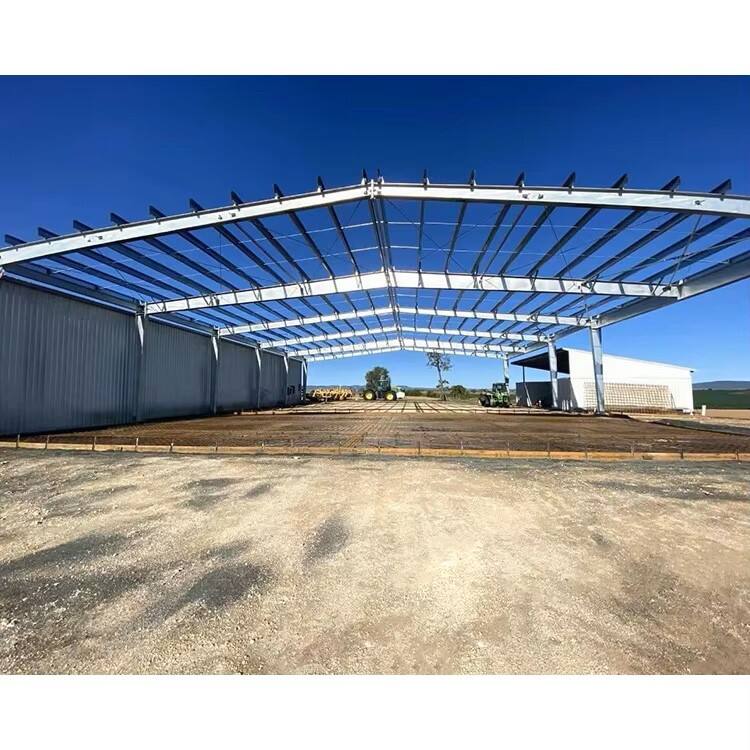

We are a steel structure processing plant in China for many years, we provide one-stop solutions, from procurement, processing, to transportation, installation and other links can be solved for you.