EN
EN


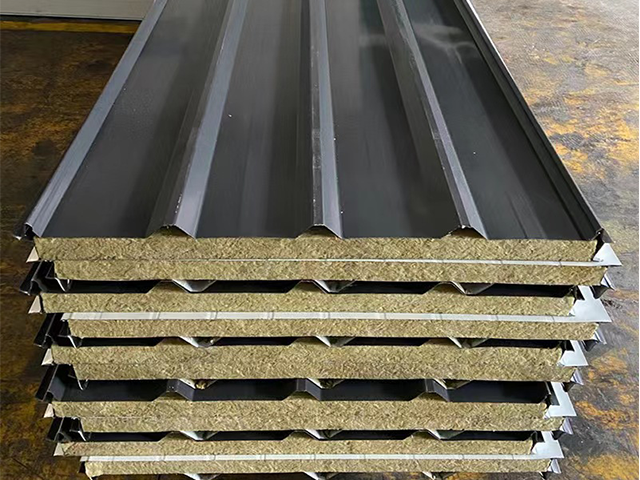
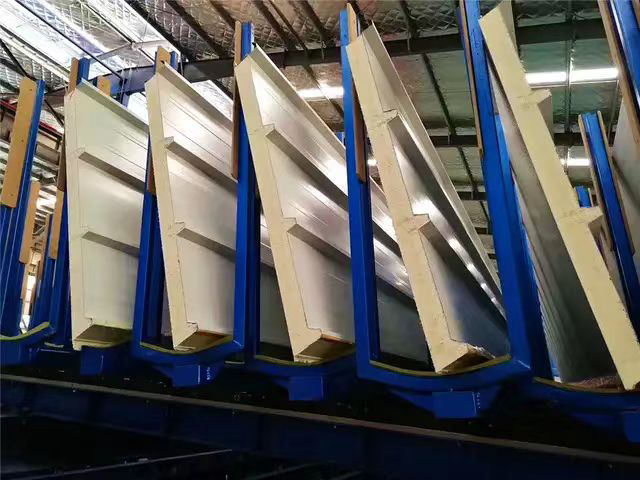
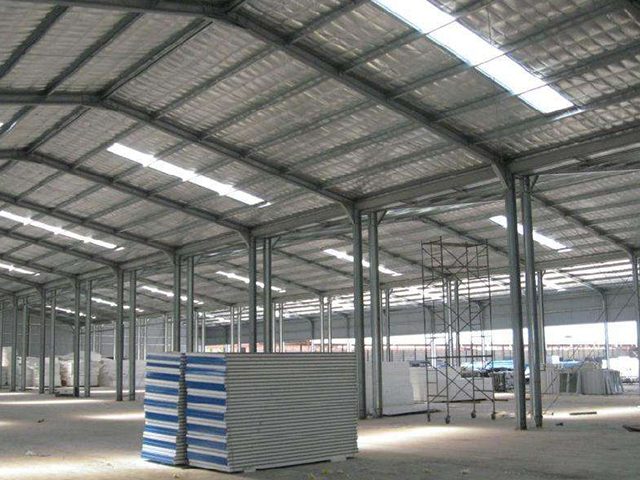
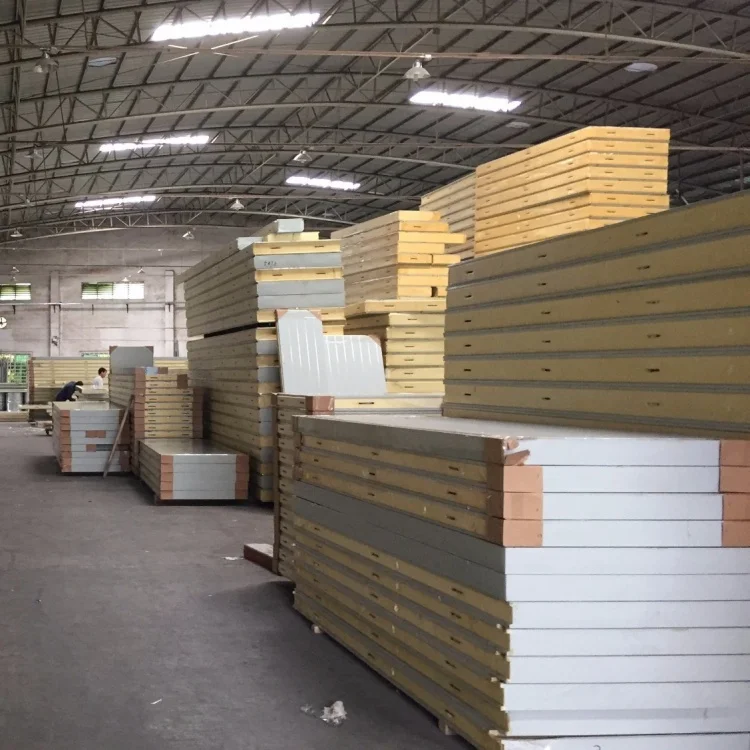
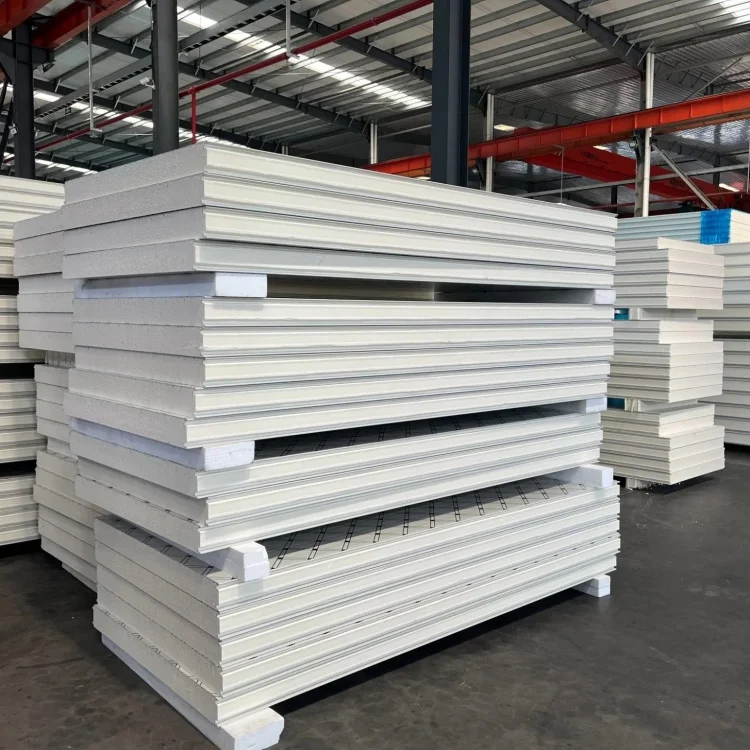
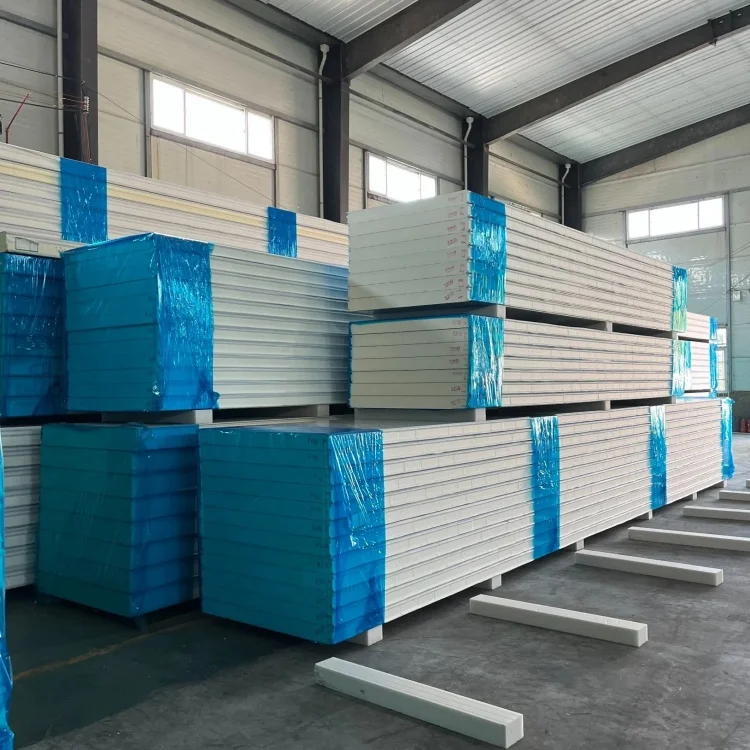
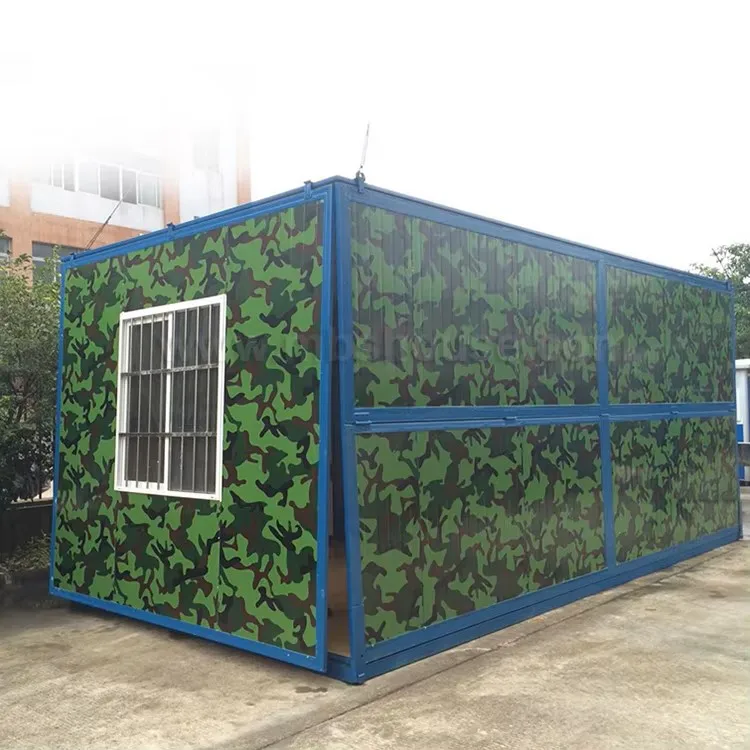
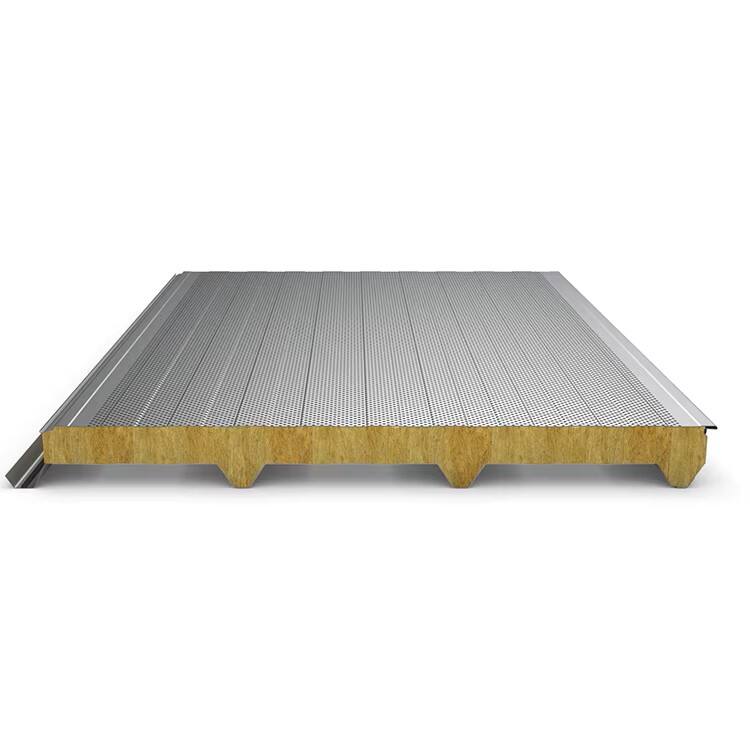
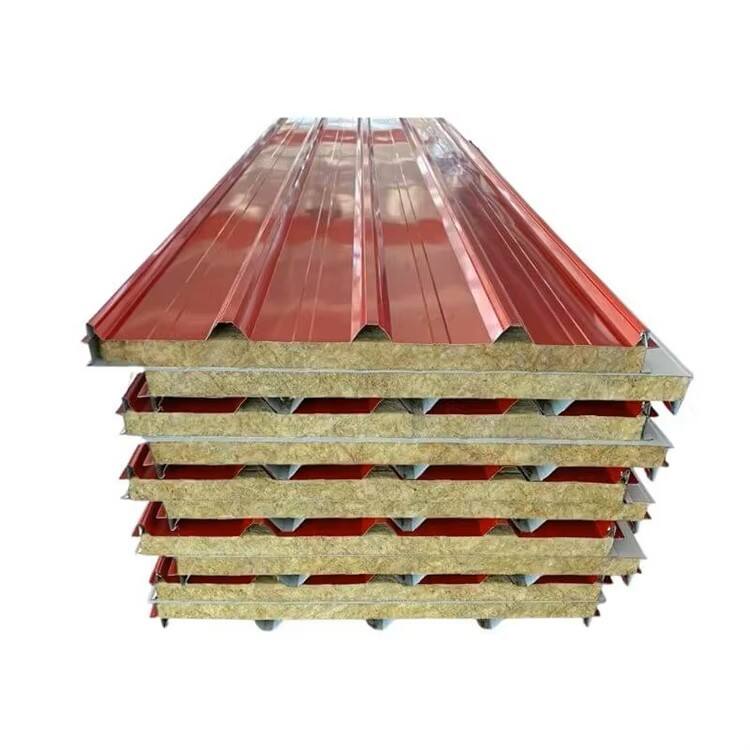
Radiant barrier insulated panels are advanced building materials designed to reduce heat transfer through radiation, enhancing energy efficiency in buildings by reflecting rather than absorbing heat. These panels combine a radiant barrier—typically a thin layer of aluminum foil—with insulation material (such as foam or fiberglass), creating a dual purpose system that blocks both radiant heat and conductive heat flow. The radiant barrier works by reflecting up to 95% of solar radiation, preventing it from entering the building in hot climates, while the insulation minimizes heat loss in cold climates, making these panels effective year round. Commonly used in roofing and wall applications, radiant barrier insulated panels are particularly beneficial in regions with high solar exposure, such as desert areas or southern latitudes, where they can reduce cooling costs by 10 30%. The aluminum layer is usually placed on the exterior facing side of the insulation, facing an air gap that allows it to reflect heat away from the building. In colder climates, the barrier can be installed on the interior side to reflect heat back into the building, improving heating efficiency. These panels are lightweight, easy to install, and compatible with various metal building systems. They are also durable, with the radiant barrier protected by the panel’s outer layer, ensuring long term performance. For residential, commercial, or industrial buildings, radiant barrier insulated panels offer a cost effective way to enhance energy efficiency, reduce reliance on HVAC systems, and improve indoor comfort by maintaining stable temperatures.

19
Apr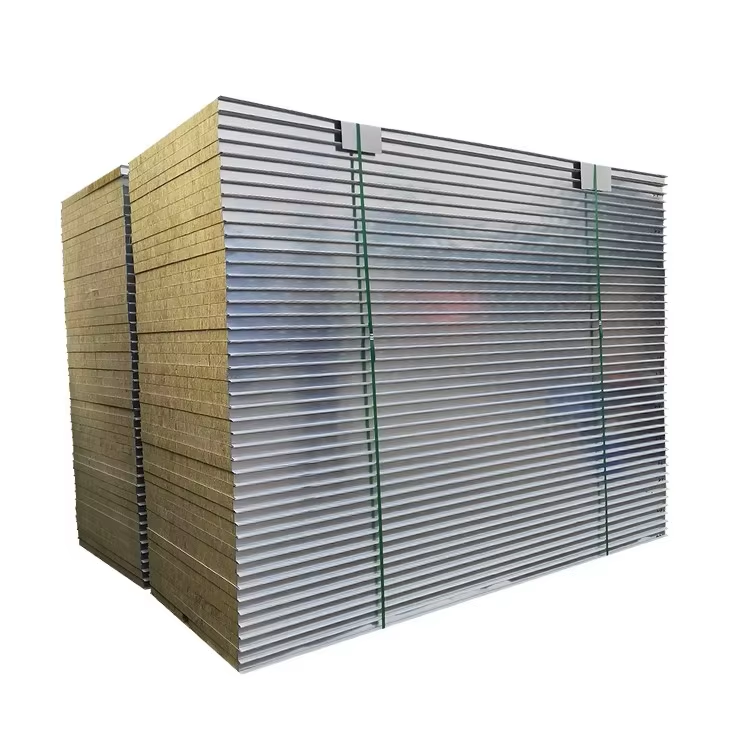
19
Apr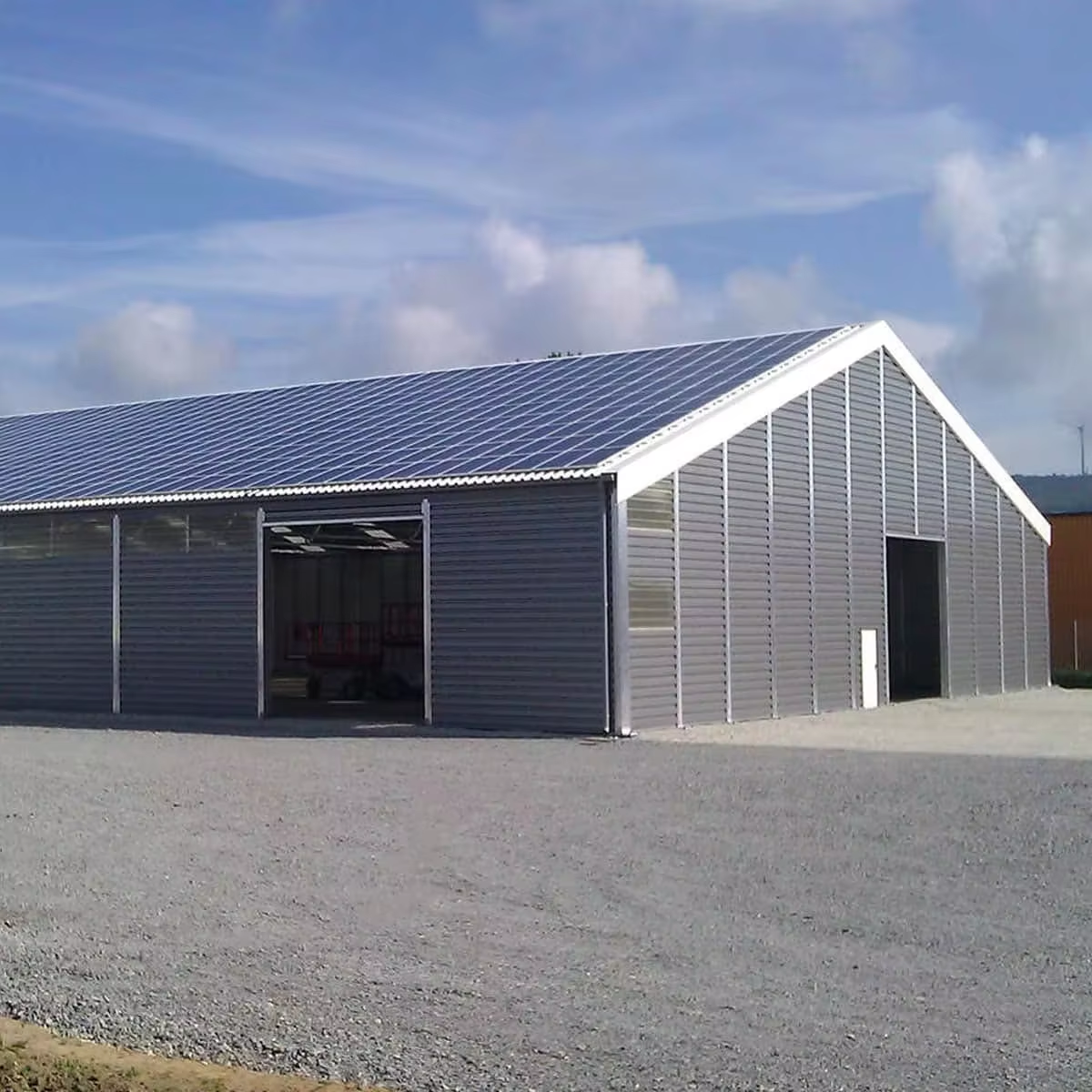
19
Apr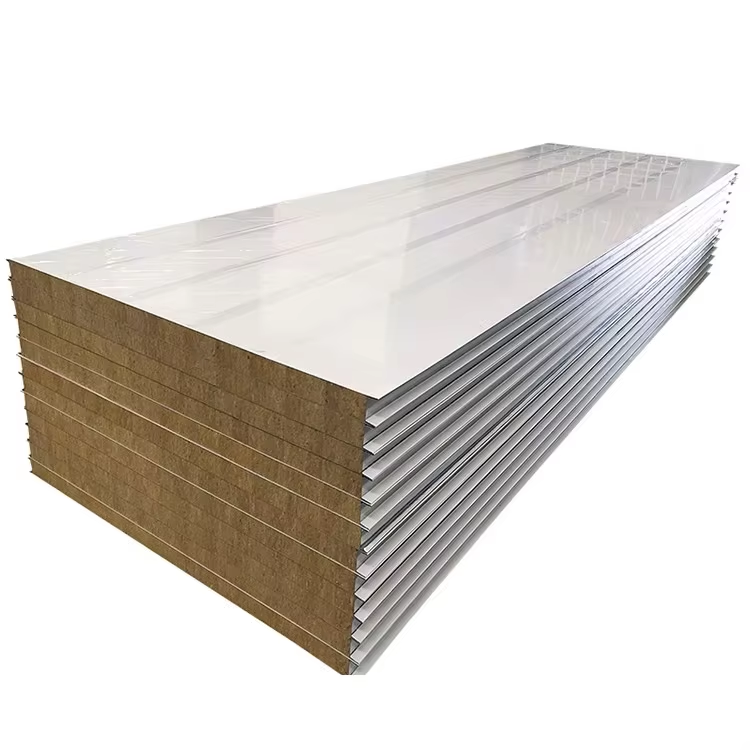
19
Apr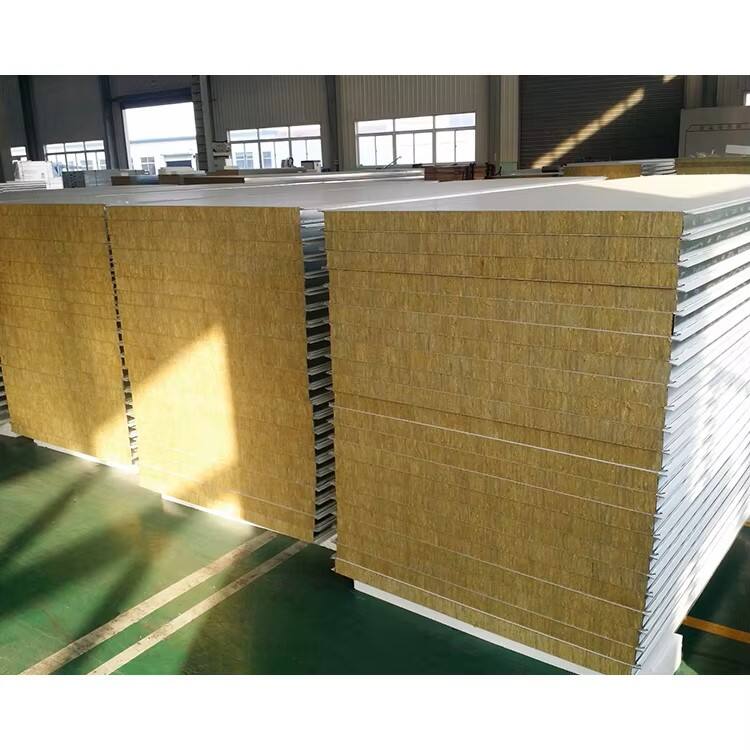

We are a steel structure processing plant in China for many years, we provide one-stop solutions, from procurement, processing, to transportation, installation and other links can be solved for you.