EN
EN


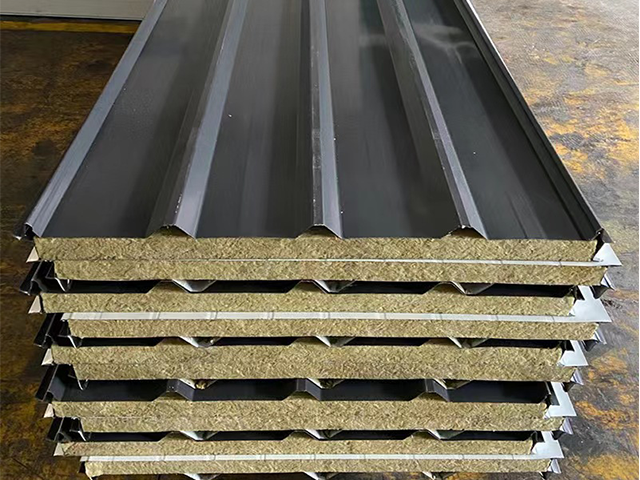
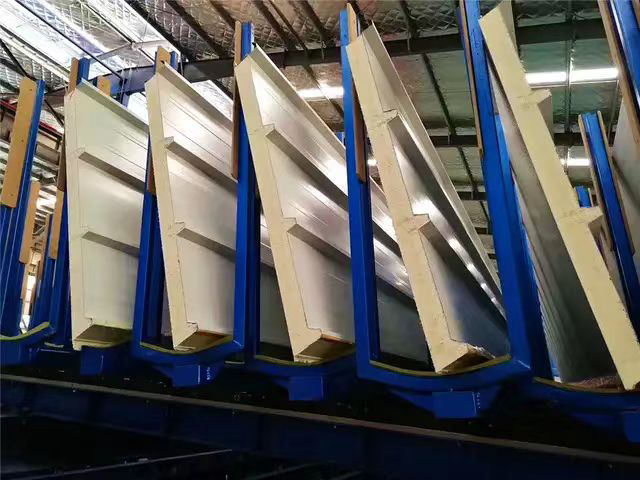
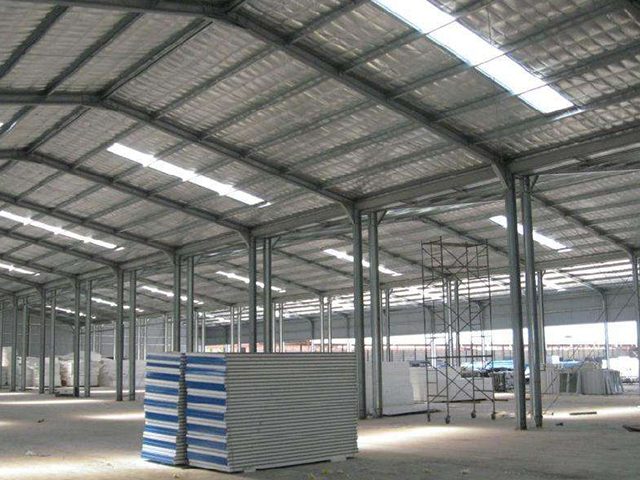
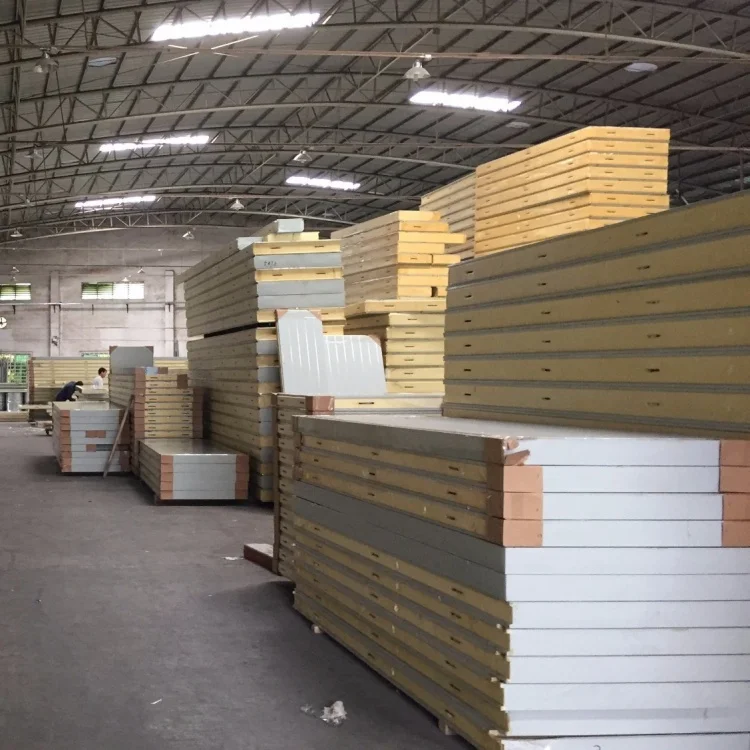
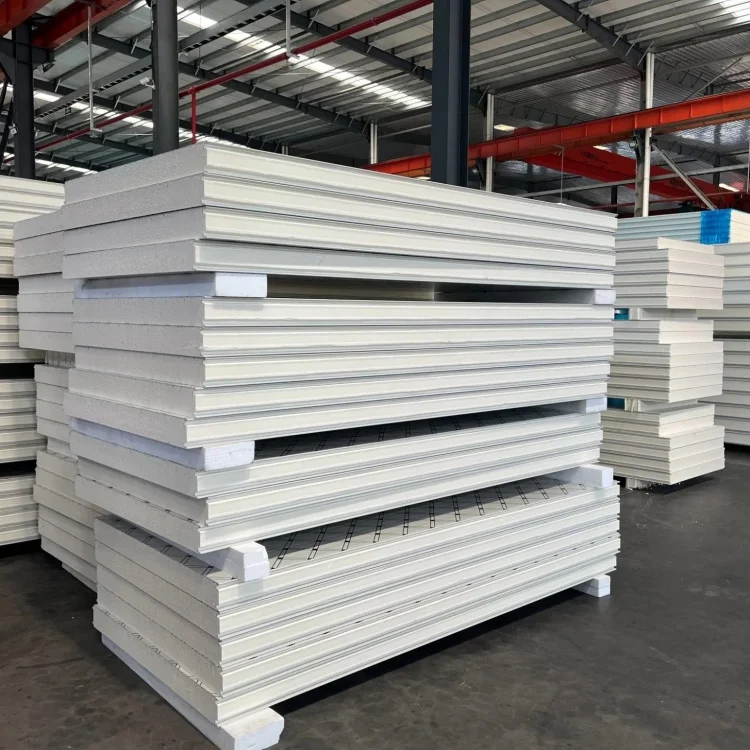
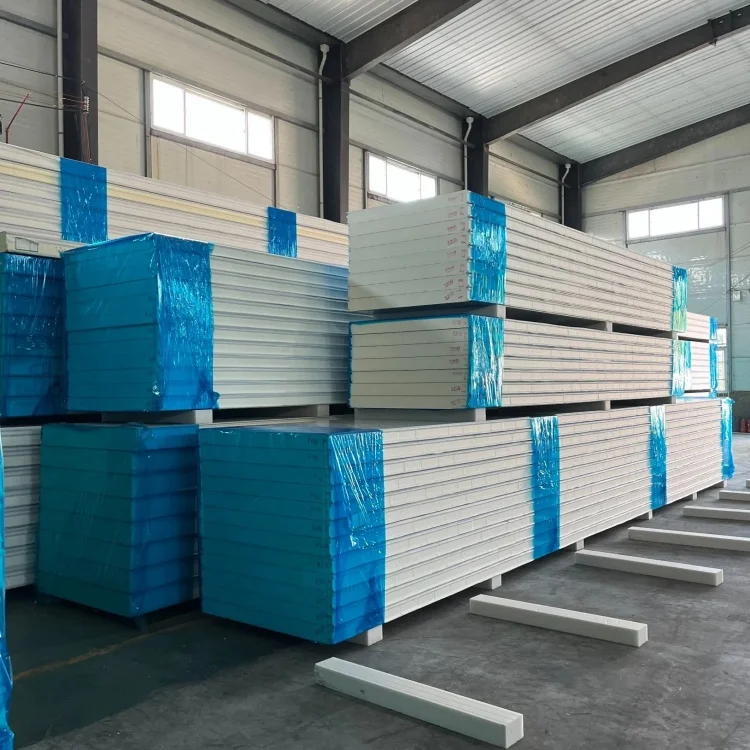
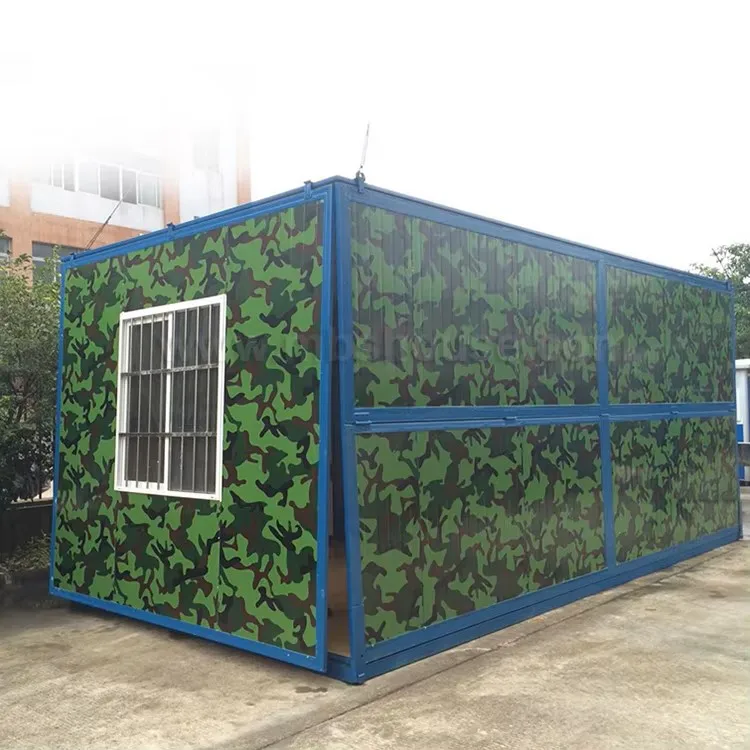
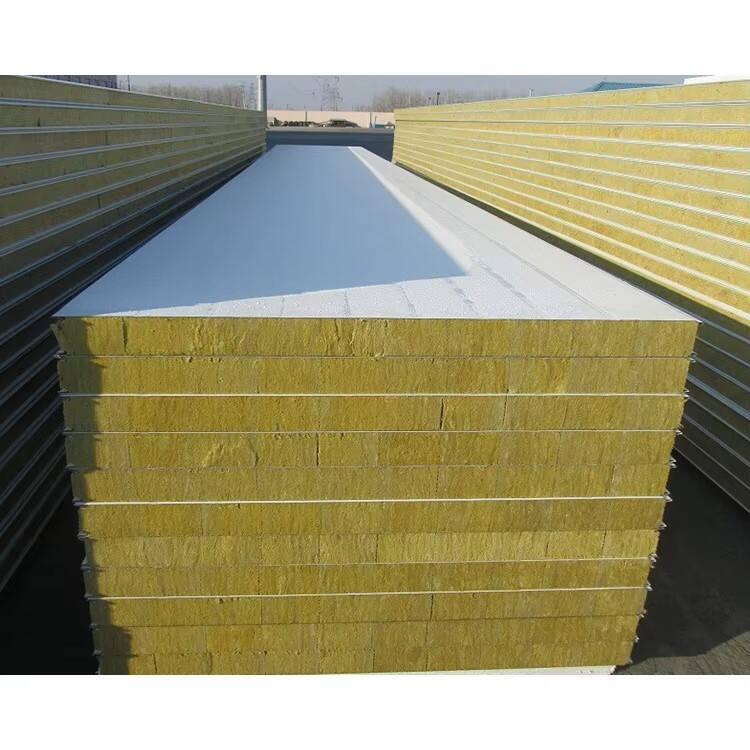
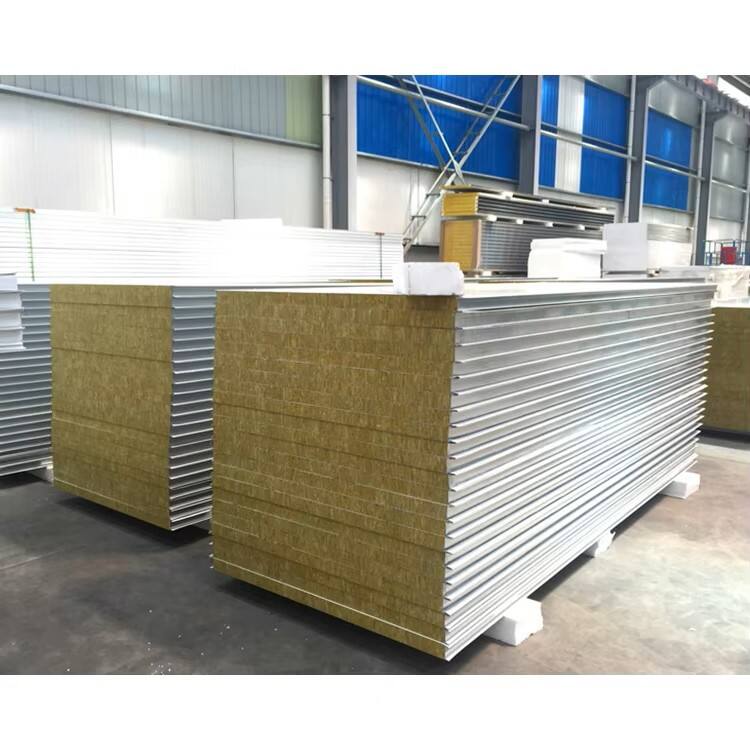
Transportable insulated panels are lightweight, modular building components designed for easy transportation and quick installation, making them ideal for temporary or mobile structures that require thermal efficiency. These panels are typically constructed with a rigid foam core (such as EPS or polyurethane) sandwiched between thin, durable facings (often aluminum or galvanized steel), resulting in a compact, lightweight design that can be easily loaded onto trucks, shipped to remote locations, and assembled on site with minimal equipment. The transportability of these panels addresses key challenges in construction, particularly in areas with limited access to building materials or where rapid deployment is necessary—such as disaster relief shelters, temporary housing, mobile clinics, or remote work sites. Their modular design allows for flexible configurations, enabling structures to be assembled, disassembled, and relocated as needed without significant damage to the panels, enhancing their reusability. Beyond mobility, transportable insulated panels offer strong thermal performance, ensuring comfortable indoor temperatures even in extreme weather conditions. They are also resistant to moisture and corrosion, ensuring durability in diverse environments. The panels can be quickly connected using interlocking systems or simple fasteners, reducing construction time and labor costs. For applications ranging from temporary event spaces to remote research stations, these panels provide a practical, efficient solution that combines portability, insulation, and structural integrity.

19
Apr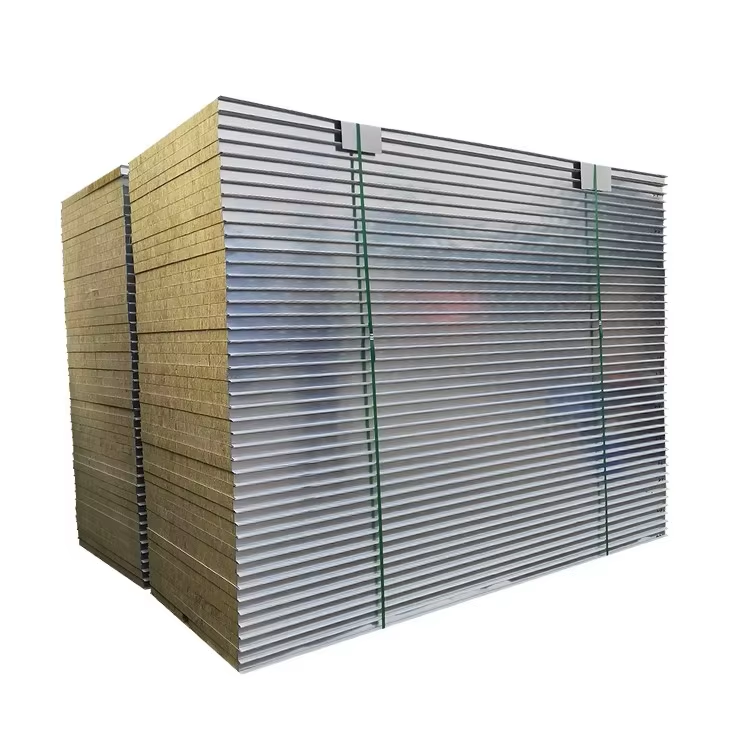
19
Apr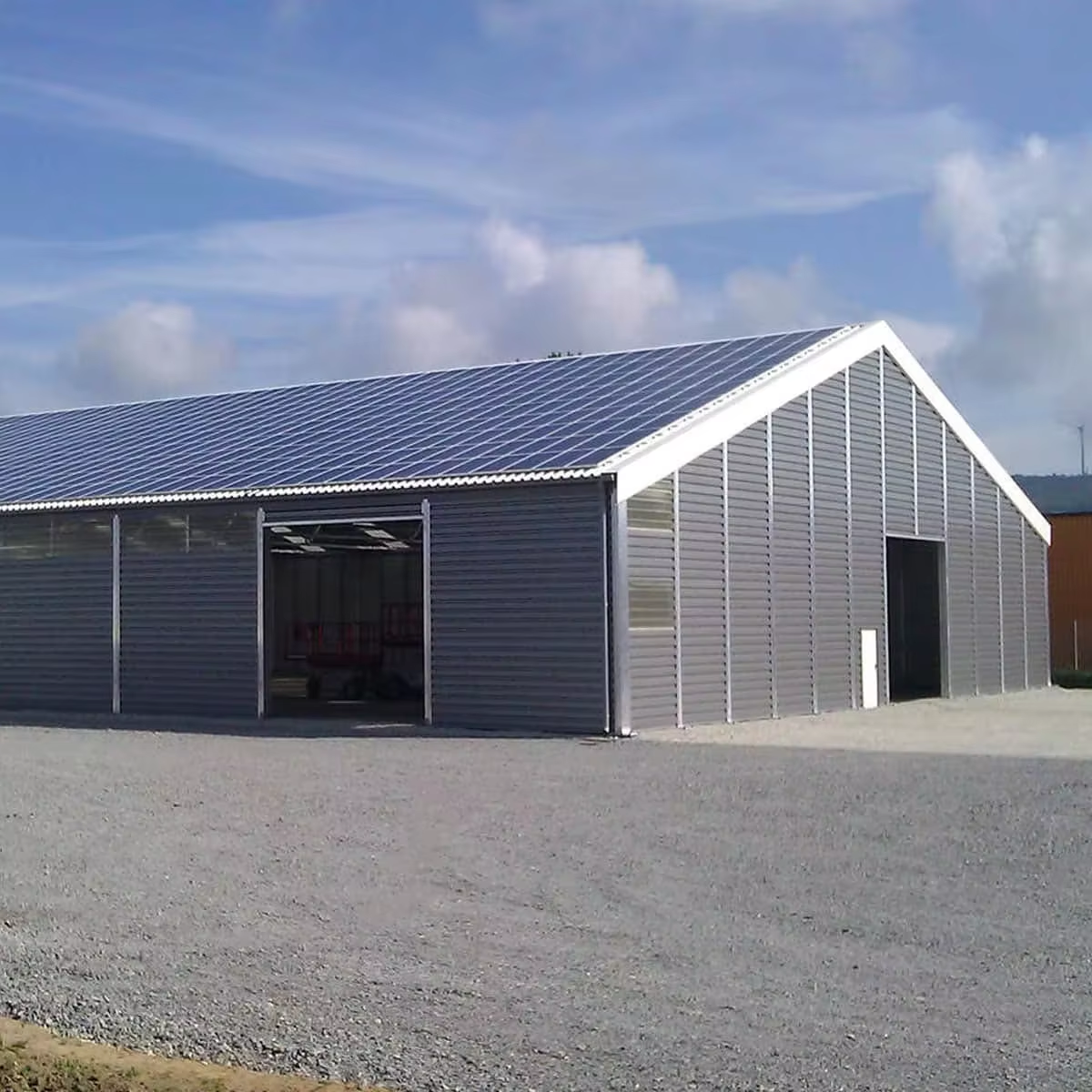
19
Apr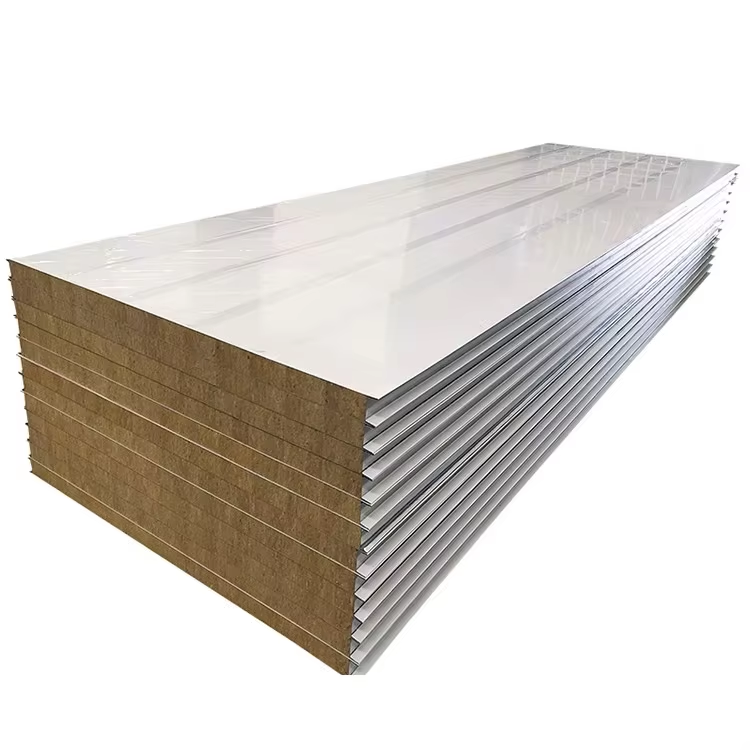
19
Apr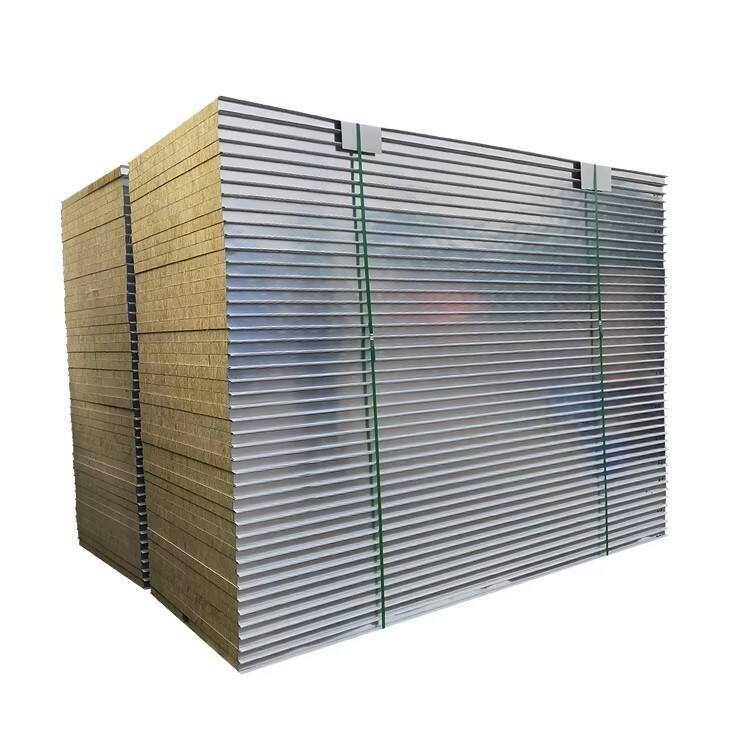

We are a steel structure processing plant in China for many years, we provide one-stop solutions, from procurement, processing, to transportation, installation and other links can be solved for you.